What to Pack for a Ski Holiday: Essentials and Extras
A ski holiday is one of the most rewarding winter experiences, but packing for it is often a daunting logistical challenge. Getting the gear right is crucial, as being cold or wet on the slopes can quickly ruin a day. The focus must be on the **layering system** to manage moisture and temperature, paired with specialized accessories for protection and comfort. While you can rent skis and boots, saving space in your luggage, the personal items that touch your skin especially socks, gloves, and base layers should always be your own, high-quality choices.
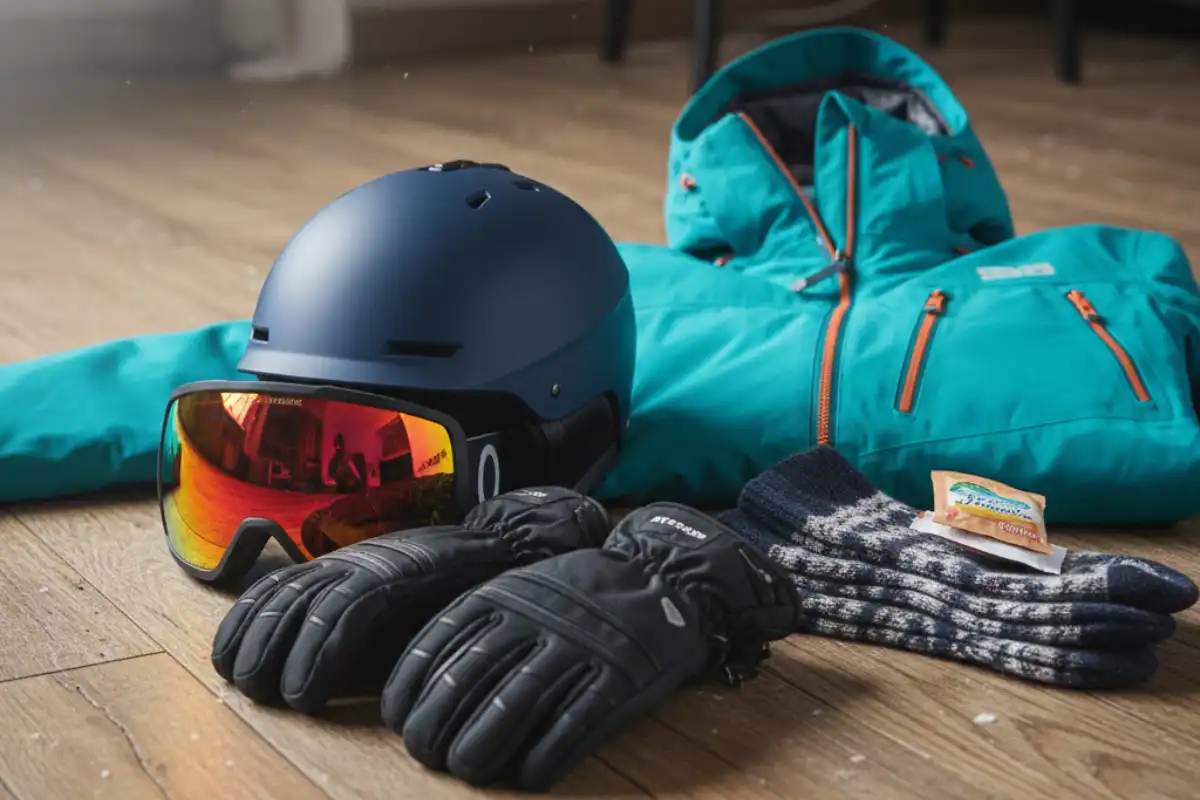
On-Mountain Essentials: The Three-Layer System
This is the foundation of staying warm and dry while skiing or snowboarding:
1. Base Layer (Wicking)
Worn directly against the skin, this layer wicks sweat away. Look for Merino wool or performance synthetic fabrics. Avoid cotton entirely.
- **Tops and Bottoms:** Two sets are usually enough for a week if you wash one set mid-week.
- **Pro Tip from the Slopes:** “Never wear two pairs of socks, no matter how cold it is! That restricts circulation, making your feet colder. Invest in one single, high-quality Merino wool ski sock that is knee-high and thin enough to let your blood flow. If your feet are cold, your boots are too tight or you’re wearing bad socks.” (Source: Certified Ski Patroller Guide)
2. Mid-Layer (Insulation)
This layer traps heat. Fleece, puffers, or lightweight down jackets are ideal. A vest is great for mild days.
- **Fleece or Down:** One warm fleece jacket and one thin insulating down jacket provide versatile warmth options.
3. Outer Shell (Protection)
The jacket and trousers must be waterproof, windproof, and breathable to protect you from snow and wind while letting moisture escape.
- **Jacket and Pants:** Ensure they have snow skirts (cuffs inside the jacket and pants) to prevent snow from creeping in during a fall.
Protection and Accessories
1. Head and Face Protection
- **Helmet:** Highly recommended for safety. Renting is often easiest.
- **Goggles:** Essential for visibility in snow and fog, and for protecting eyes from harmful UV light (especially important at high altitude). Pack lenses for both bright days (dark tint) and low-light/foggy days (yellow/orange tint).
- **Beanie/Balaclava:** A thin balaclava or neck gaiter to cover exposed skin from windburn.
2. Hands and Feet
- **Gloves or Mittens:** Mittens are generally warmer than gloves because they keep your fingers together. Look for waterproof, insulated options with wrist leashes.
- **Socks:** Two or three pairs of dedicated, thin ski socks (Merino wool blend).
The Quick Fix: Moisturizing and Sun Care
“The combination of high altitude, cold air, and wind exposure is brutal on skin. Don’t forget a high SPF lip balm and high SPF face cream, even on cloudy days. Sunburn on a ski trip can be severe, especially under the chin. Carry small tubes in your jacket pocket for reapplication on the lift.” (Source: Mountain Dermatology Journal)
Après-Ski and Off-the-Mountain Gear
Once the boots come off, comfort is key. Most resort towns are casual, but you still need warmth.
- **Snow Boots:** Crucial for walking around the village, as normal street shoes will be wet and slippery. Look for waterproof, insulated boots with good grip.
- **Cozy Layers:** Comfortable sweaters, a warm scarf, and jeans/leggings for dinner.
- **Swimsuit:** Necessary for those highly desirable hot tubs or spa visits (a common and excellent après-ski amenity).
- **Small Backpack:** A lightweight pack for carrying water, snacks, extra layers, and your phone on the mountain.
Frequently Asked Questions About Ski Packing
Is it better to rent or buy my ski boots?
For beginners or infrequent skiers, renting is economical. For experienced skiers, buying your own boots is highly recommended. Boots are the most important piece of gear for comfort and performance, and custom-fit boots prevent pain, blistering, and cold feet.
Can I use leggings or running tights as a base layer?
You can, provided they are made of synthetic materials (polyester/nylon) or wool and not cotton. Cotton holds moisture, which chills the skin rapidly when you stop moving. True thermal base layers are engineered for better wicking performance.
How do I pack my helmet without taking up too much room?
Place the helmet in your carry-on luggage or clip it securely to the outside of your suitcase. Use the empty space inside the helmet to pack smaller, soft items like socks, gloves, or underwear, maximizing space utilization.
What essential electronics should I pack for the slopes?
A portable battery bank (cold weather drains phone batteries quickly), waterproof phone case, and, if you plan to track your runs, a watch with a GPS function (like a Garmin or Apple Watch) that integrates with resort apps.
How many jackets do I need for a week-long ski trip?
Ideally, two: one waterproof/windproof outer shell for the mountain and one warm, versatile, non-ski coat (like a parka or heavy down jacket) for evening wear and travel. The flexibility of the three-layer system means you can adapt the outer shell to any temperature with your mid-layers.
Conclusion: Preparedness is Performance 🏂
A successful ski holiday hinges entirely on smart packing. By adhering to the three-layer system, securing high-quality accessories that protect exposed skin, and remembering the non-ski essentials for comfortable evenings, you can minimize hassle and maximize enjoyment. Focus on keeping your core and extremities warm and dry, and your trip down the mountain will be nothing but memorable fun.