Tulum Eco Chic Beach Escape
Tulum, once a quiet fishing outpost on the edge of the Sian Ka'an Biosphere, has matured into the world’s most iconic "Eco-Chic" destination. In August 2026, it serves as a sophisticated sanctuary where bohemian luxury meets ancient Mayan mysticism. With its carbon-neutral boutique hotels, high-concept jungle dining, and crystalline cenotes, Tulum appeals to those seeking a digital detox without sacrificing world-class amenities. This guide, drawing on the latest traveler reviews from sustainability journals and Riviera Maya explorer forums, navigates the delicate balance between the high-energy beach road and the serene, untouched jungle interior.

1. Tulum Accommodations: Jungle Nests and Oceanfront Villas (August 2026)
The lodging landscape in Tulum for 2026 is divided into two distinct worlds: the “Beach Road” (Zona Hotelera) and “Tulum Pueblo” (Town). While the beach offers immediate access to the waves, the Pueblo and the newer La Veleta and Aldea Zama districts provide a more authentic, community-focused experience at a lower price point.
Estimated Lodging Prices by District (Average per night, August 2026) – Prices in USD ($)
| Region | Experience Type | Average Price (USD/night) | The Vibe |
|---|---|---|---|
| **Beach Road (South)** | Off-grid luxury, candlelit nights, and designer spas. | **$550 – $1,800** | Ultra-exclusive, celebrity-centric, and romantic. |
| **Aldea Zama** | Upscale modern apartments with eco-tech features. | **$250 – $500** | Perfect for digital nomads and long stays. |
| **Tulum Pueblo / La Veleta** | Boutique hostels, urban lofts, and local life. | **$120 – $300** | **Value Hack:** Authentic food and bustling night markets. |
2. Culinary Alchemy: Fire-Roasted Flavors and Vegan Innovation
Tulum’s food scene in 2026 is a global leader in sustainable dining. The trend has shifted away from imported luxuries toward the “Ancestral Kitchen” cooking with wood fire, underground pits, and indigenous Yucatecan ingredients.
Estimated Dining Costs (August 2026)
- **Street Tacos in the Pueblo:** $2 – $4 per taco (Look for Al Pastor or Cochinita Pibil).
- **Beachside Jungle Dining (Hartwood style):** $80 – $150 per person (Usually wood-fired seafood and local produce).
- **Cold-Pressed Juice & Acai Bowl:** $15 – $22 (The standard breakfast for the health-conscious traveler).
- **Craft Mezcal Cocktail:** $18 – $30 (Often infused with local herbs like epazote or habanero).
- **Estimated Daily Budget for Food:** $70 – $180.
3. The Eco-Adventure: Cenotes, Ruins, and Biospheres
Beyond the beach clubs, Tulum is the gateway to the Mayan underworld. In 2026, the Sian Ka’an Biosphere has become a focal point for low-impact eco-tourism, offering a stark contrast to the development of the northern Riviera Maya.
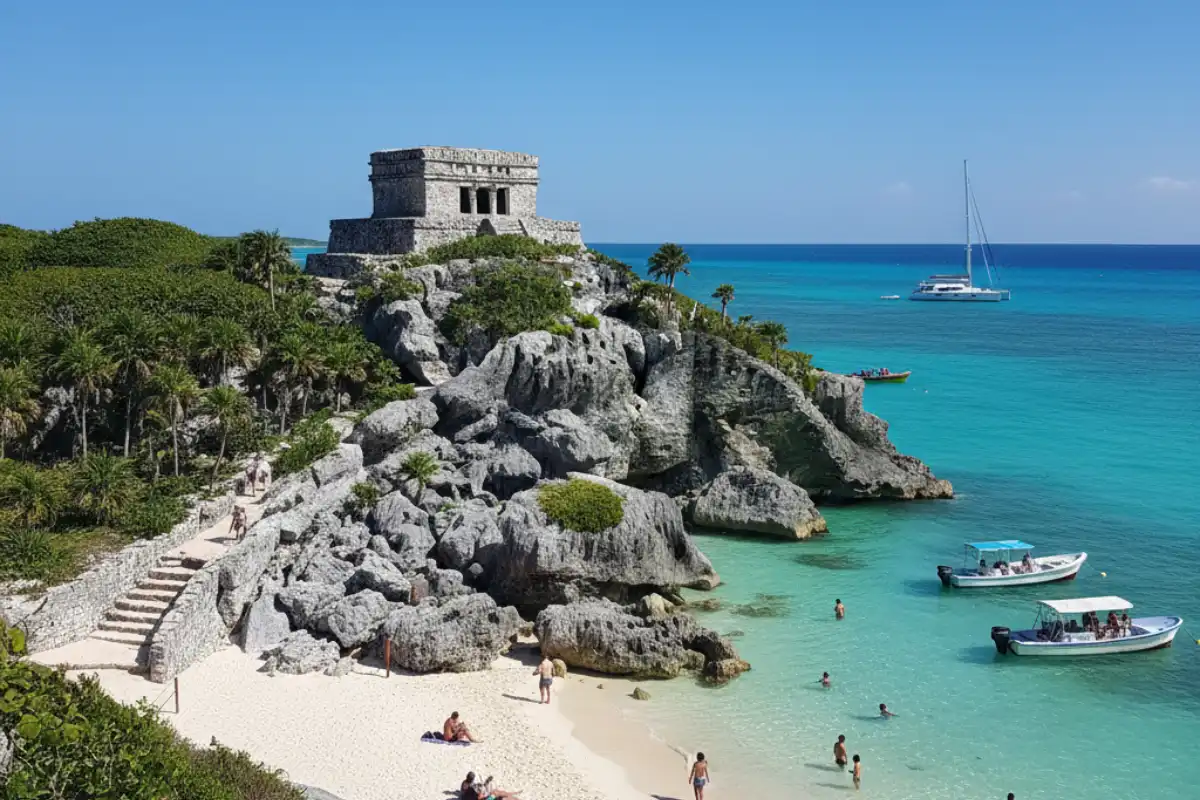
- **Tulum Ruins Entry:** **$10**. (Arrive at 8:00 AM to beat the heat and the bus tours from Cancun).
- **Cenote Diving/Snorkeling:** **$30 – $60**. (Gran Cenote and Dos Ojos remain favorites for their crystalline clarity).
- **Sian Ka’an Floating Tour:** **$120 – $200**. (Float through ancient Mayan canals in a protected nature reserve).
- **Sound Healing / Temazcal Ceremony:** **$50 – $150**. (A traditional Mayan steam bath for spiritual and physical cleansing).
4. Seamless Travel: The Maya Train and Tulum Airport (TQO)
August 2026 travelers benefit from the fully operational Tulum International Airport (Felipe Carrillo Puerto) and the Maya Train, which have revolutionized access to the region, bypassing the long drive from Cancun.
Transport Options & Pricing:
- **Tulum Airport Transfer:** **$40 – $90**. (Private shuttles are the most reliable way to reach the beach road).
- **Maya Train (Tulum to Bacalar):** **$35 – $70**. (A scenic, high-speed way to explore the southern reaches of the state).
- **Bicycle Rental:** **$15 – $25 per day**. (The most “Tulum” way to move between the town and the beach).
- **Scooter/ATV Rental:** **$45 – $80 per day**. (Useful for reaching far-flung cenotes like Clan-Destino).
5. Safety and Environmental Etiquette (August 2026)
Tulum’s fragile ecosystem requires a conscious traveler. In 2026, many resorts have “Zero Plastic” policies and strict waste management protocols.
Key Considerations for August:
- **The Heat & Sargasum:** August is peak summer. Temperatures hit 33°C (91°F). Check the “Sargasso Seaweed” maps daily, as some beaches may be affected by seasonal blooms.
- **Eco-Protection:** Use only “Reef-Safe” biodegradable sunscreen. Standard sunscreens are banned in cenotes as they damage the delicate cave ecosystems.
- **Power Management:** Many beach hotels are off-grid. Be mindful of power usage; air conditioning is often only available during nighttime hours.
Navigating Tulum in 2026 with confidence:
- **The “Free” Beach Scam:** While all beaches are technically public, many resorts block access. Use the public entrances at **Playa Paraiso** or **Las Palmas** to avoid “mandatory” beach club spend.
- **ATM Safety:** Only use ATMs located inside reputable banks in the Pueblo. Street-side ATMs are high-risk for card skimming.
- **Water Safety:** Never drink the tap water. Most eco-resorts provide filtered “Garrafón” water use it even for brushing your teeth.
6. Professional Tips for an Authentic Escape
- **The Sunrise Ritual:** Tulum’s name means “Wall,” but it was originally “Zama” (City of Dawn). The sunrise over the Caribbean is a spiritual event don’t miss it.
- **Holistika Art Walk:** Visit the jungle-based Holistika center for their free art walk and some of the best vegan food in the region.
- **Tuesday/Wednesday Nights:** These are the best times to visit famous spots like *Gitano* or *Papaya Playa Project* if you want the vibe without the overwhelming weekend crowds.
- **Pack Light & Natural:** The jungle humidity is real. Pack breathable linen fabrics and leave the high heels at home the beach road is made of sand and unpaved limestone.
7. Tulum Eco-Chic: Frequently Asked Questions
Is Tulum safe to visit in 2026?
Tulum remains a safe destination for tourists who stay in well-traveled areas. Like any global hotspot, it is wise to avoid isolated jungle roads at night and keep an eye on your belongings in crowded beach clubs.
When is the best time to see the sea turtles?
August is the heart of the nesting season! You may see protected areas on the beach cordoned off for turtle eggs. Always keep a respectful distance and never use flash photography at night.
Can I use US Dollars in Tulum?
While many beach hotels quote in USD, you will get a much better rate at local restaurants and shops by using Mexican Pesos (MXN). Many smaller businesses are cash-only.
Do I need to rent a car?
If you plan to stay on the beach and only visit nearby cenotes, a bike or scooter is enough. If you want to explore Coba ruins or Valladolid, a one-day car rental is the best option.
Is the seaweed (Sargassum) bad in August?
It varies by year. However, 2026 has seen improved barrier technologies. Even if the beach has seaweed, the cenotes remain crystal clear and are the perfect alternative for swimming.
Ready to reconnect with nature in the most stylish way possible? The jungle path to Tulum’s white sands is open and waiting for you.
Plan Your 2026 Eco-Chic Retreat