Hvar Island Luxury in Croatia
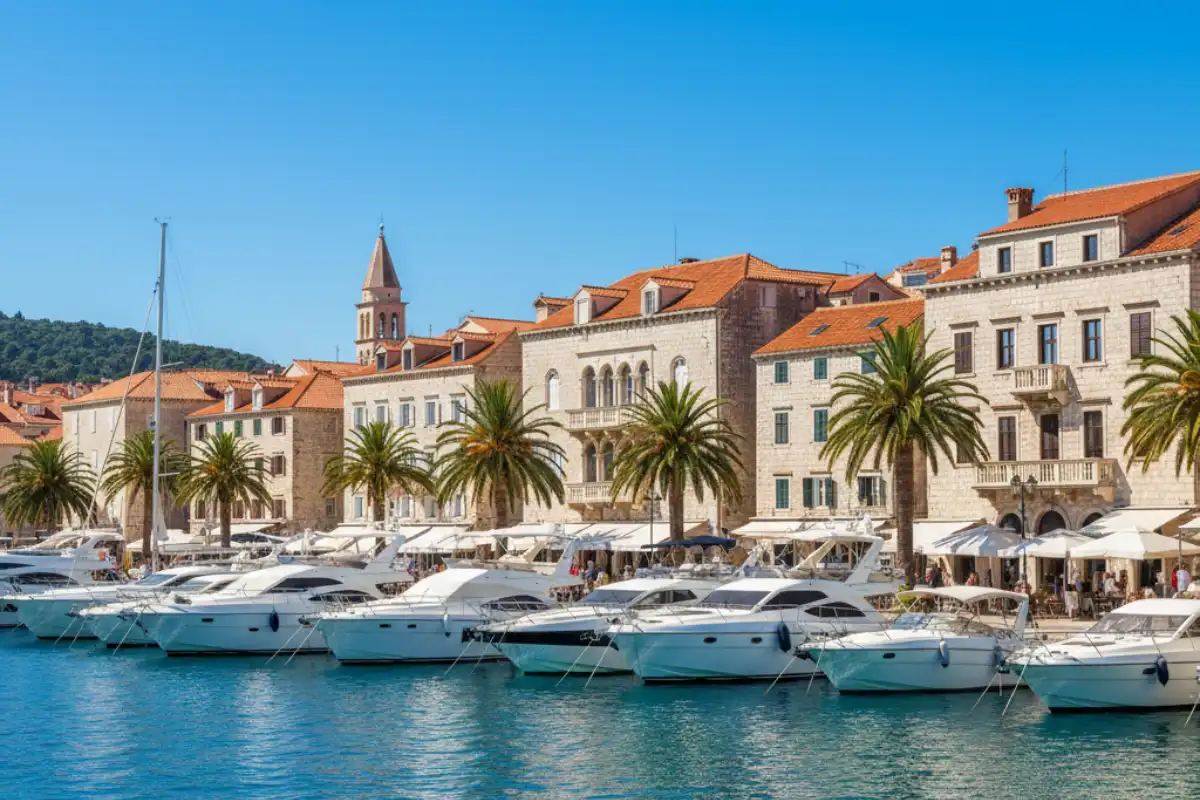
Hvar Island, the sunniest spot in the Adriatic, has solidified its reputation in 2026 as the "Saint-Tropez of Croatia." Merging ancient Venetian architecture with a high-octane luxury scene, Hvar offers a sensory explosion of purple lavender fields, emerald pine forests, and sapphire waters. As of August 2026, the island has balanced its vibrant nightlife with a renewed focus on sustainable viticulture and exclusive heritage retreats. This guide, curated from luxury lifestyle magazines and the first-hand accounts of Mediterranean yacht enthusiasts, provides a sophisticated blueprint for experiencing Hvar’s dual nature from the glitz of the Hvar Town yacht quay to the rustic serenity of the Stari Grad Plain.
1. Hvar Sanctuaries: Designer Resorts and Venetian Palazzos (August 2026)
In 2026, Hvar’s hospitality focuses on “Hyper-Local Luxury.” New developments have moved away from massive complexes toward boutique restorations of 16th-century stone buildings. August is the island’s most expensive month, with the world’s largest superyachts populating the harbor.
Estimated Lodging Prices by Setting (Average per night, August 2026) – Prices in Euro (€)
| Location | Stay Type | Average Price (EUR/night) | Exclusive Perk |
|---|---|---|---|
| **Hvar Town Quay** | 5-star boutique hotels and designer suites. | **€450 – €1,500** | Private balconies overlooking the Riva. |
| **Stari Grad** | Restored heritage villas and eco-conscious spas. | **€300 – €700** | Access to the UNESCO-listed Stari Grad Plain. |
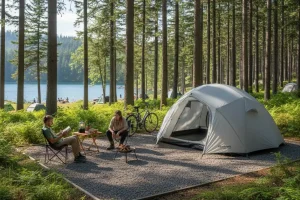
| **Jelsa / Vrboska** | Luxury seaside glamping and family-owned boutiques. | **€200 – €450** | **Vibe Hack:** Quiet pine forests and local wineries. |
2. Gastronomy: Gregada Stew, Truffles, and Indigenous Wines
The culinary scene in Hvar has reached new heights in 2026, with several restaurants achieving international acclaim for their “Island-to-Table” philosophy. The focus is on the Bogdanuša grape (a local white wine) and the freshest lobster from the Pakleni Islands.
Estimated Dining Expenses (August 2026)
- **Hvarska Gregada (Traditional Fish Stew):** €40 – €65 (A slow-cooked masterpiece with potatoes and white wine).
- **Pakleni Islands Beach Club Lunch:** €60 – €110 (Think fresh sushi, grilled squid, and chilled rosé).
- **Fine Dining on a Venetian Terrace:** €120 – €220 per person (Creative Dalmatian fusion with Adriatic views).
- **Artisanal Lavender Gelato:** €5 – €8 (The island’s signature flavor).
- **Estimated Daily Budget for Food:** €90 – €190.
3. The High Life: Pakleni Islands and Lavender Hills
Adventure on Hvar is defined by water and scent. Whether it’s chartering a private boat to the hidden coves of the Pakleni archipelago or driving through the purple hills of Brusje, the island is a visual feast.
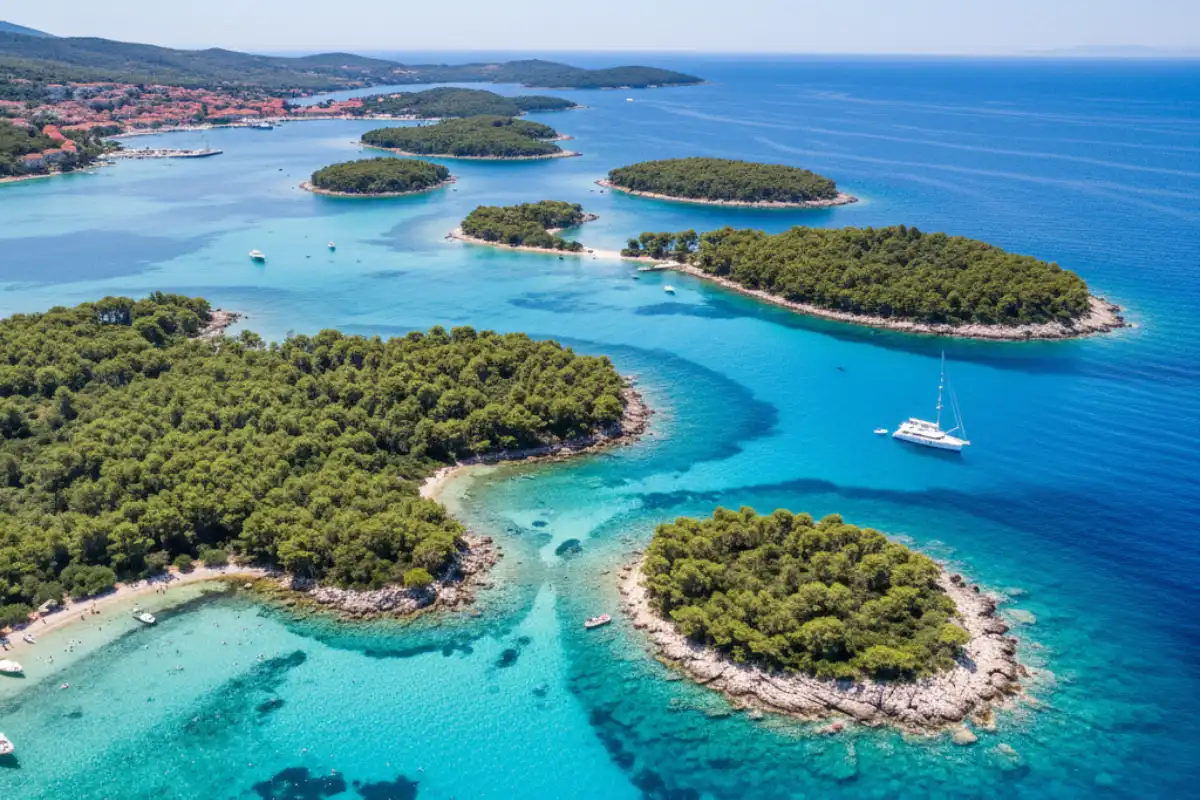
- **Private Yacht Charter (Full Day):** **€800 – €2,500**. (The only way to explore the “Blue Lagoon” and Red Rocks in style).
- **Wine Tasting in Jelsa:** **€45 – €80**. (Sample the world-famous Plavac Mali in ancient stone cellars).
- **Fortica Fortress Sunset:** **€10**. (The best panoramic view of the archipelago; go an hour before sunset).
- **Lavender Field Tour (Brusje):** **€35 – €50**. (Best experienced in early summer, but the fragrance lingers through August).
4. Navigating the Island: Speedboats and Convertible Rentals
While Hvar Town is pedestrian-friendly, the rest of the island is best explored by road or sea. In 2026, the transition to electric mobility has made EV car rentals the preferred choice for eco-conscious luxury travelers.
Essential Transport for Tourists:
- **Electric Convertible Rental:** **€110 – €180 per day**. (Perfect for the winding roads between Hvar Town and Stari Grad).
- **Water Taxi to Pakleni Islands:** **€15 – €30 per person**. (A quick, reliable way to reach the beach clubs).
- **Jadrolinija Catamaran (Split to Hvar):** **€25**. (The high-speed link to the mainland).
- **Luxury Private Boat Transfer:** **€350 – €600**. (Skip the ferry lines with a direct transfer from Split Airport to your hotel quay).
5. Safety and Island Etiquette (August 2026)
Hvar is exceptionally safe, but its reputation as a “party island” has led to strict local ordinances in 2026 to preserve its historical dignity.
Key Considerations for Travelers:
- **The “Riva” Code of Conduct:** Walking through the town center in swimwear or without a shirt carries significant fines (€500+). Dress “Med-Chic” when off the beach.
- **Nightlife Awareness:** While Hvar is famous for its clubs, the municipality enforces strict noise controls after midnight in residential zones.
- **Sea Urchins:** Like all of Croatia, the rocky coves are home to sea urchins. High-end beach clubs provide ladders, but for wild swimming, use water shoes.
Be a mindful visitor with these 2026 insights:
- **Dinner Reservations:** In August, the best tables at restaurants like Zori or Gariful must be booked at least 2 weeks in advance.
- **The “Sun” Tax:** Some beach clubs charge a high “minimum spend” for front-row sunbeds. Always ask about the price before sitting.
- **Hydration:** The August sun is relentless. Hvar has ancient public fountains; the water is safe and exceptionally pure.
6. Insider Tips for the Ultimate Hvar Luxury Experience
- **Sunrise at the Spanish Fortress:** Hike up at 5:30 AM. You’ll have the entire view of the town to yourself as the first light hits the cathedral.
- **Wine at Zlatan Otok:** Take a boat to Sveta Nedjelja to visit the underwater wine cellar one of the most unique tasting rooms in the world.
- **The Ghost Village of Humac:** Visit this stone village for a traditional “Peka” lunch. It has no electricity or running water, offering a true step back in time.
- **Secret Swimming at Dubovica:** This crescent-shaped pebble bay is the most photogenic beach on the island. Arrive by boat to avoid the steep cliff hike.
7. Hvar Island Luxury: Frequently Asked Questions
Is Hvar only for parties?
Not at all. While Hvar Town is famous for its clubs, the rest of the island (Stari Grad, Jelsa) is incredibly peaceful, focused on family travel, cycling, and wine culture.
When is the lavender in bloom?
The peak blooming season is late June and early July. By August, the lavender is usually harvested, but the island’s air still carries its iconic scent, and local markets are full of fresh oils.
Can I visit the Blue Cave from Hvar?
Yes, it is one of the most popular day trips. It takes about an hour by speedboat to reach Biševo Island, where the cave is located. In August, go as early as possible to avoid long wait times.
Is the island expensive?
Hvar is the most expensive island in Croatia. While you can find budget options in the interior, Hvar Town prices are comparable to those in London or Paris during the peak of summer.
What is the best way to get to Hvar?
The most common route is the catamaran from Split (1 hour). In 2026, there are also direct fast-ferry connections from Dubrovnik and the island of Brač.
Ready to experience the pinnacle of Adriatic elegance? Hvar’s sun-drenched shores and lavender-scented nights are calling.
Reserve Your 2026 Hvar Experience