How to teach kids travel safety rules
Traveling with children is one of life’s greatest joys, but in the fast-paced world of 2026, it requires more than just packing extra snacks. From bustling transit hubs to crowded city centers, the environment can be overwhelming for a child. Teaching safety isn’t about instilling fear; it’s about empowering your kids with a toolkit of skills that turn them into alert, capable travelers. By curating real-world advice from Mumsnet, the Traveling with Kids Facebook community, and safety experts from Family Travel Journal, we have built a comprehensive guide to keeping your little explorers safe.
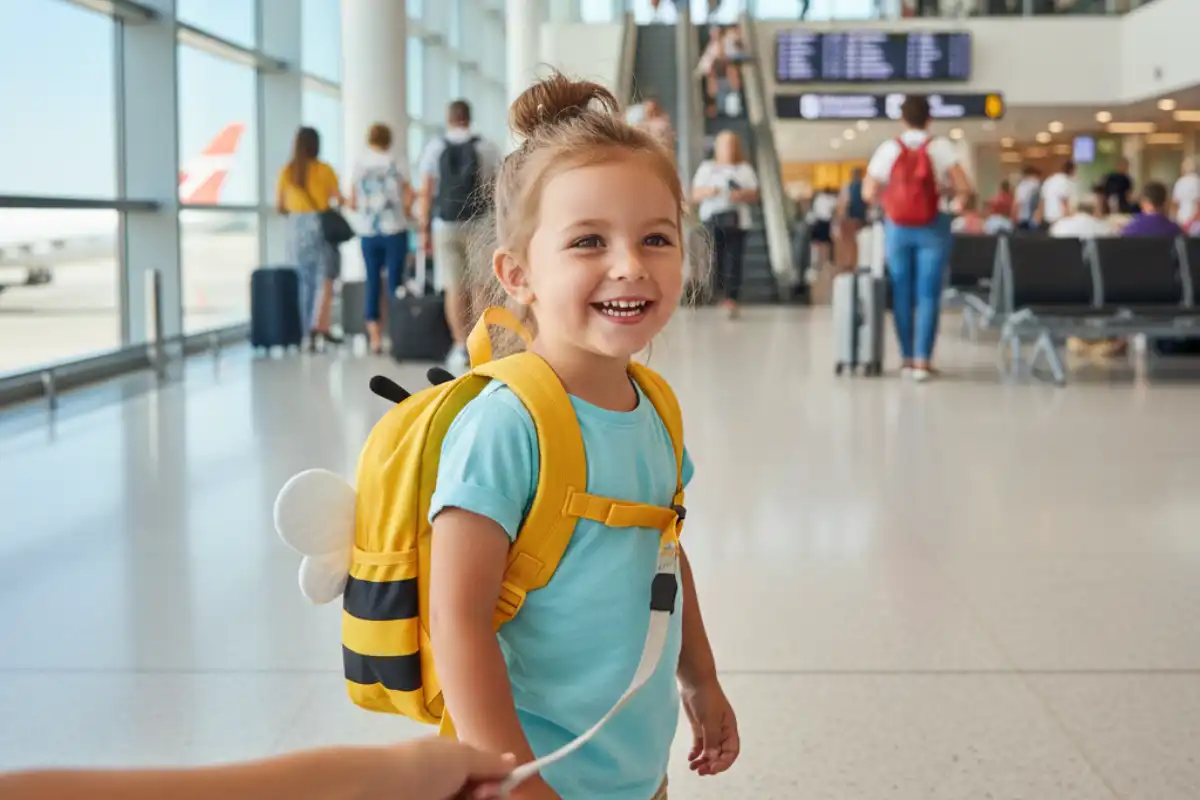
1. The Pre-Trip “Safety Rehearsal”
Safety training should start at home, not at the airport. In 2026, parents are moving away from the “Stranger Danger” concept toward the more effective “Tricky People” methodology.
- The “Stay Put” Rule: Teach children that if they lose sight of you, they must freeze and stay exactly where they are. In Reddit r/Parenting, users suggest calling this “becoming a statue.”
- Identify the “Helpers”: Teach kids to look for a woman with children or an employee in a uniform (police, airline staff) if they get lost.
- Family Safe Word: Create a unique word or phrase. If a stranger ever tells them, “Your mom sent me to get you,” they must ask for the safe word.
“We play the ‘Who is a Helper?’ game while waiting in line at the airport. I’ll ask my 5-year-old, ‘If you couldn’t see me right now, who would you talk to?’ It makes safety a game rather than a lecture.” — Post from a frequent-flyer parent on Mumsnet.
2. High-Tech and Low-Tech Safety Layers
In 2026, technology provides a massive safety net, but it should never replace basic identification rules.
| Safety Tool | Best For… | Pro-Tip |
|---|---|---|
| AirTags / GPS Trackers | Toddlers & School-age | Stitch into a pocket; don’t hang on the outside. |
| Identification Bracelets | Crowded Festivals | Write “If lost, call [Number]” in the local language. |
| Morning “Outfit Photos” | Quick Identification | Take a photo of your kids every morning of the trip. |
| Temporary Tattoos | Beach / Water Parks | Write your phone number on their arm with liquid bandage. |
3. Navigating Busy Hubs Safely
Airports, train stations, and bus terminals are the highest-risk areas for separation. Establish clear “Movement Protocols.”
- Physical Contact in Transit: “One hand on the stroller” or “holding the backpack strap” are non-negotiable rules for crowded areas.
- The Meeting Point: Upon arrival at a new station or hotel, immediately point out a “Safe Zone” where you will meet if separated.
- Digital Awareness: Teach older children to keep their phones in their pockets, not in their hands, while walking. Distraction is the biggest enemy of situational awareness.
Kids Travel Safety FAQ
At what age should I start teaching safety rules?
As soon as they can walk and follow simple instructions (around age 2 or 3). Start with simple rules like “Hold hands in the parking lot” and build up to more complex protocols as they grow.
Should kids wear their names on their clothing?
No. Experts recommend avoiding personalized clothing. If a stranger knows your child’s name, it builds a false sense of trust. Keep IDs hidden inside shoes or pinned inside a pocket.
What should my child do if someone tries to grab them?
Teach them to “Make a Scene.” Instead of just screaming, they should yell something specific like “You are not my dad!” or “Help, I don’t know this person!” This alerts bystanders that it is not just a tantrum.
How do I handle safety in a foreign country where we don’t speak the language?
Carry a business card from your hotel in your child’s pocket. Teach them to show it to a “Helper” if they get lost. Many parents also use translation apps to record a short safety message on the child’s phone.
What is the “Morning Safety Brief”?
Every morning of your trip, spend 2 minutes reviewing the plan: where you are going, what the “Meeting Point” is for that day, and a quick check of their ID bracelet or tracker. Repetition builds muscle memory.
Conclusion: Building Confidence Through Safety 🌍✨
The goal of teaching travel safety isn’t to make the world seem like a dangerous place; it’s to make your children confident navigators of it. By combining modern technology like AirTags with traditional methods like safe words and “statue” rules, you create a resilient family unit. When kids know what to do in an emergency, they and you can focus on what travel is really about: discovering the world together.