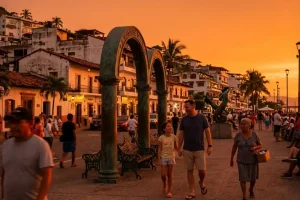
Split Croatia’s Coastal Gem
Split, the beating heart of Dalmatia, is a city where the ancient world doesn't just sit in a museum it breathes through the cafes, shops, and homes of its vibrant residents. In August 2026, Split continues to enchant travelers as a perfect hybrid of a living Roman ruin and a bustling Mediterranean port. Built around the colossal retirement palace of Emperor Diocletian, this UNESCO World Heritage site serves as the ultimate gateway to the Adriatic islands. This guide, enriched by recent traveler dispatches from the Adriatic Trail and Croatian maritime journals, explores the intricate balance of Split’s urban energy, its emerald-green forest parks, and the shimmering pebble beaches that define the Croatian summer.
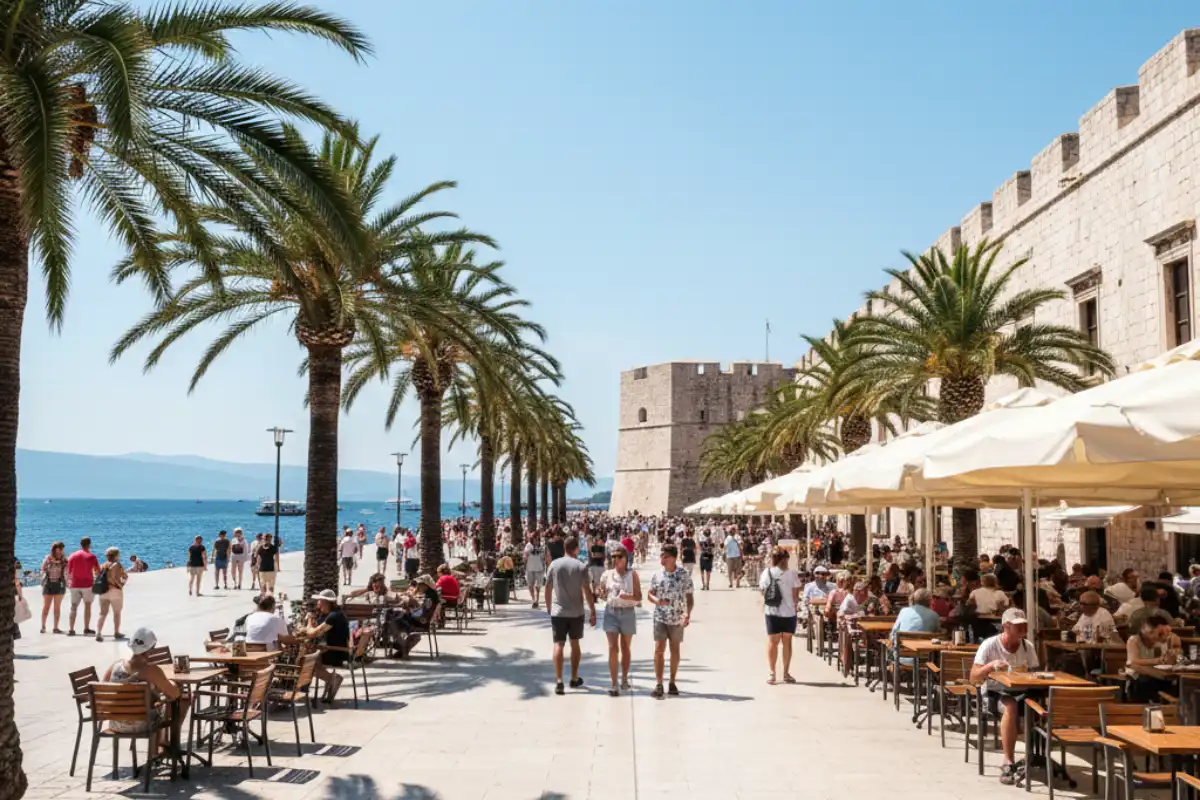
1. Dalmatian Dwellings: Palace Apartments and Marjan Villas (August 2026)
In 2026, the accommodation landscape in Split has shifted toward “Heritage Boutique” stays. While many travelers seek the novelty of sleeping within the 1,700-year-old palace walls, savvy visitors are increasingly looking toward the Varoš district for traditional stone houses with modern luxury interiors. August remains the peak season, requiring advanced booking for any property with a sea view.
Estimated Lodging Prices by District (Average per night, August 2026) – Prices in Euro (€)
| Location | Experience Type | Average Price (EUR/night) | Key Advantage |
|---|---|---|---|
| **Diocletian’s Palace** | Living inside a Roman monument in luxury suites. | **€320 – €750** | Unmatched atmosphere and historical immersion. |
| **Varoš / Meje** | Quiet stone alleys and proximity to Marjan Park. | **€200 – €450** | Authentic Dalmatian feel and less foot traffic. |
| **Bačvice / Trstenik** | Modern hotels and apartments near sandy beaches. | **€180 – €380** | **Family Hack:** Easy beach access and night-life proximity. |
2. Culinary Soul: Konobas, Peka, and Adriatic Bluefish
Split’s dining scene in 2026 is defined by the “Konoba” a traditional cellar-style tavern. The focus is on the simplicity of the Mediterranean diet: olive oil, wild herbs, and fish that was swimming in the Adriatic just hours before hitting the grill.
Estimated Dining Expenses (August 2026)
- **Dalmatian Prosciutto (Pršut) & Cheese Platter:** €15 – €25 (Best enjoyed with local olives).
- **Peka Dinner (Veal or Octopus):** €35 – €55 (Slow-cooked under a bell-shaped lid; usually requires 2-hour notice).
- **Fresh Grilled Sea Bream:** €28 – €45 (Typically priced by weight, served with mangel and potatoes).
- **Soparnik (Chard Pie) Snack:** €3 – €5 (The traditional peasant food of the region).
- **Estimated Daily Budget for Food:** €65 – €130.
3. From Palace Basements to Island Coves
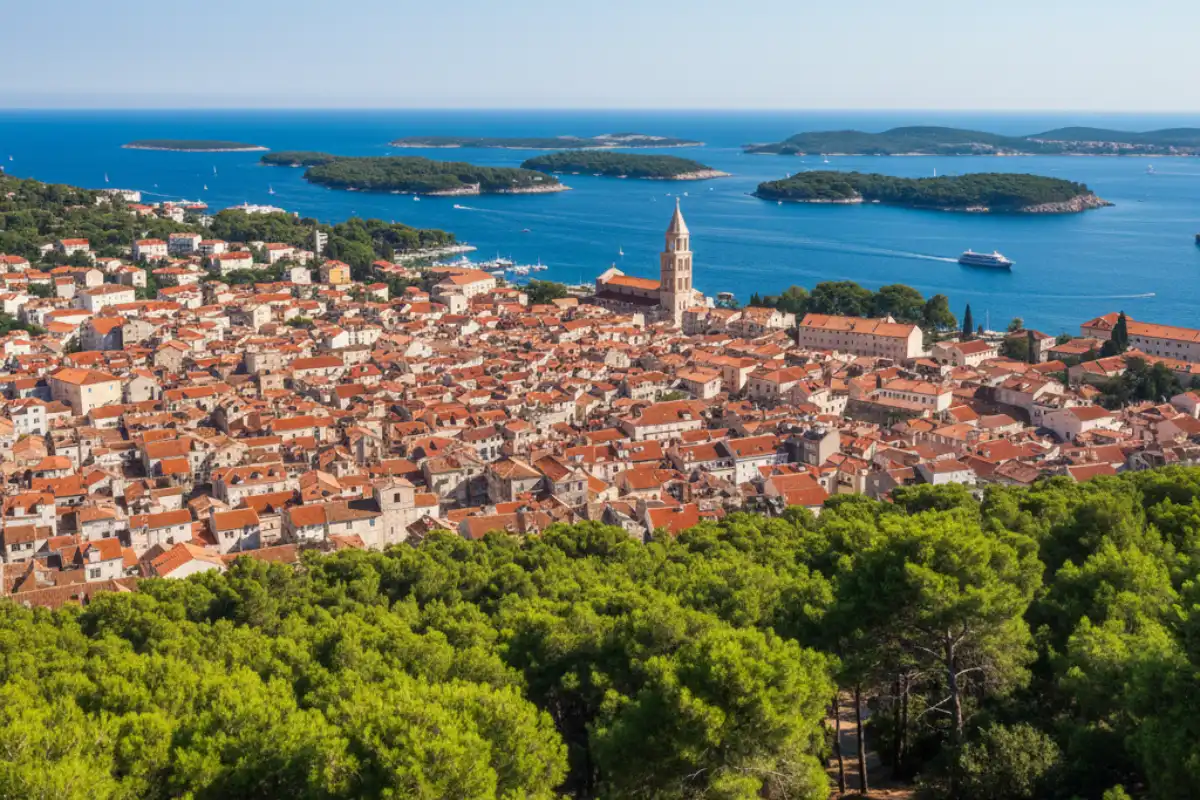
While the Palace is the draw, Split’s true beauty lies in its geographical versatility. You can spend the morning in a Roman basement and the afternoon swimming in the turquoise waters of the Blue Lagoon.
- **Diocletian’s Palace Cellars Entry:** **€10**. (Explore the best-preserved Roman palace substructures in the world).
- **Climbing St. Domnius Bell Tower:** **€7**. (The most famous view of the Split harbor).
- **Blue Cave & 5 Islands Speedboat Tour:** **€110 – €145**. (A full-day Adriatic odyssey including Vis and Hvar).
- **Marjan Hill Sunset Hike:** **Free**. (Head to the Vidilica viewpoint for the quintessential Split photo).
4. Gateway Logistics: Ferries, Buses, and Coastal Shuttles
Split is Croatia’s primary transit hub. In 2026, the city has successfully integrated a digital ticketing system for its ferries and regional buses, making island hopping more seamless than ever.
Transport Options & Pricing:
- **Jadrolinija Fast Ferry (Catamaran):** **€15 – €30**. (Fastest way to reach Hvar, Brač, or Vis).
- **Airport Shuttle (Pleso Prijevoz):** **€8**. (Efficient 30-minute link between the airport and the main bus station).
- **Uber / Bolt in the City:** **€7 – €15**. (Perfect for getting to the ferry port with heavy luggage).
- **Regional Bus to Trogir:** **€4 – €6**. (A 40-minute ride to another UNESCO-listed medieval gem).
5. Safety, Etiquette, and the “Pomalo” Mindset
Split is a very safe city, but it has a specific rhythm called “Pomalo” which roughly translates to “take it easy.” Understanding this social code is key to enjoying your stay.
Key Considerations for August:
- **The “Riva” Dress Code:** While casual, locals take pride in their appearance on the Riva. Swimming trunks and shirtless walking are not allowed in the historic center and can lead to fines.
- **Sun and Hydration:** The white limestone of the palace reflects heat. Use the public “česma” (water fountains) the water is safe, cold, and sourced from the Jadro River.
- **Pebble Beaches:** Most Split beaches (Kašjuni, Ježinac) are pebbled. Invest in a pair of €10 water shoes at the Pazar market to handle the sea urchins and rocky entries.
Navigate Split like a seasoned traveler:
- **Pazar Market Scams:** At the main Green Market (Pazar), prices for tourists can be slightly higher. Check for labeled prices or watch what locals pay.
- **Sea Urchins:** They are the sign of clean water! But stepping on one will ruin your week. Always look before you step in rocky areas.
- **Nightlife Noise:** The Old Town remains a residential area. Be respectful of noise levels after 11:00 PM when walking back to your accommodation.
6. Professional Tips for an Unforgettable Split Stay
- **The Peristyle at Night:** Visit the central palace square after midnight. The crowds vanish, and the moonlit Roman columns offer a ghostly, majestic silence.
- **Swim at Kašjuni:** For a cleaner, more dramatic beach experience, take bus number 12 to Kašjuni beach at the foot of Marjan Hill.
- **Morning at the Peškarija:** Visit the 120-year-old Fish Market early. Interestingly, there are no flies because of the scent of nearby sulphur springs!
- **Rub the Toe of Gregory of Nin:** Join the local tradition of rubbing the golden toe of the massive statue near the Golden Gate for good luck.
7. Split Coastal Gem: Frequently Asked Questions
Is Split better than Dubrovnik?
It depends on your vibe. Dubrovnik is more of a “museum city” with stunning walls, while Split feels more like a living, working city with better transit links to the islands.
Can I visit the islands as a day trip?
Yes. The islands of Brač (Bol) and Hvar are easily accessible by fast catamaran, allowing you 6–8 hours of island time before returning to Split for dinner.
Is the water clean enough for swimming in the city?
Surprisingly, yes. Even at Bačvice beach near the port, the water is tested regularly. For the clearest water, however, head toward the beaches on the Marjan Peninsula.
How many days should I spend in Split?
Three days is perfect for seeing the city and Marjan Hill. If you plan to use it as a base for Trogir, Krka Waterfalls, or island trips, 5–7 days is recommended.
What is the local drink I must try?
Try a “Rakija” (fruit brandy) as an aperitif, or “bevanda” red wine mixed with plain water, which is how locals stay hydrated during long summer lunches.
Ready to walk where emperors once trod and dive into the crystal heart of Dalmatia? Split’s sun-drenched stone is waiting for you.
Book Your 2026 Coastal Escape