Eco-Friendly Camping: Leave No Trace Principles
By 2026, the great outdoors has never been more popular, but this surge in interest puts unprecedented pressure on our wild spaces. For the modern adventurer, "Eco-Friendly Camping" isn't just a trend it's a responsibility. The Leave No Trace (LNT) principles serve as the gold standard for preserving ecological integrity while enjoying nature's beauty. We’ve synthesized the latest field advice from Bushcraft and Hiking, cross-referenced with 2026 conservation guidelines from the Leave No Trace Center for Outdoor Ethics, to bring you this definitive guide to responsible wilderness travel.
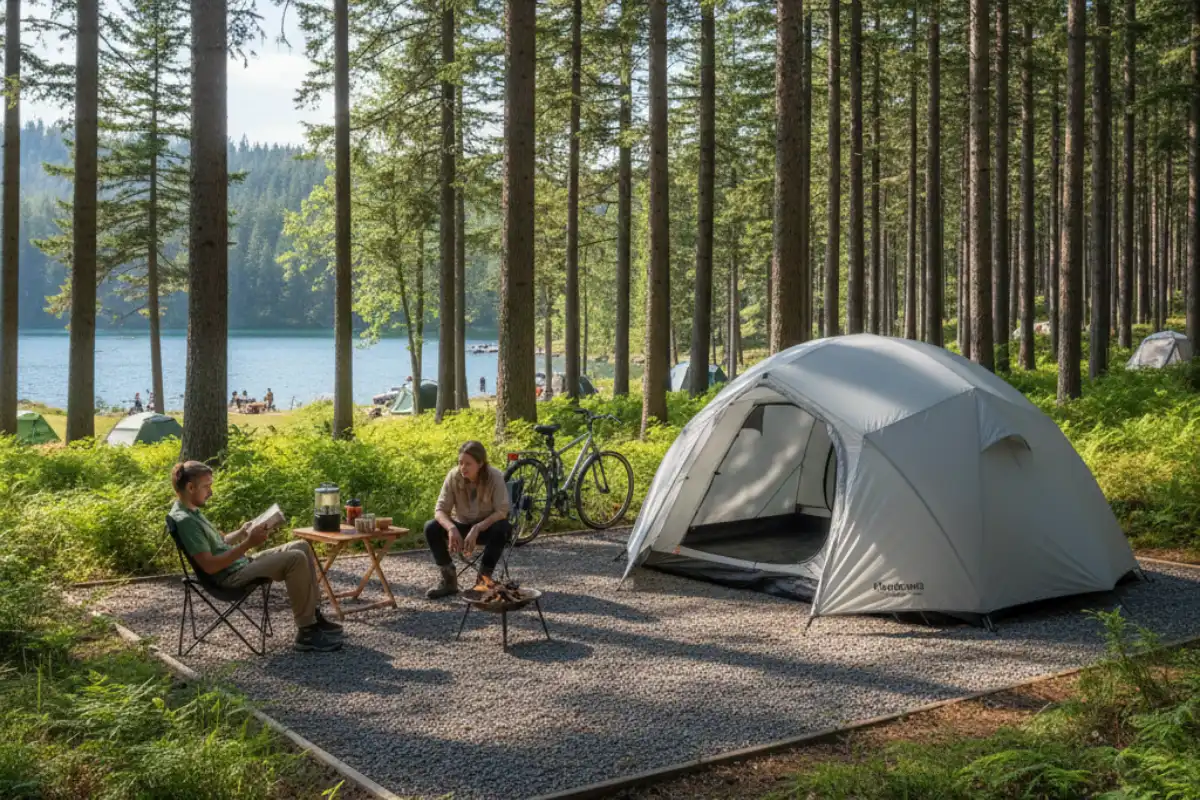
1. The 7 Pillars of Sustainable Camping
Mastering these principles ensures that the only thing you leave behind are footprints (and even those, ideally, only on established trails).
- Plan Ahead & Prepare: Poor planning often leads to environmental damage. Research regulations, check weather forecasts, and repackage food into reusable containers to eliminate trash at the source.
- Travel & Camp on Durable Surfaces: Stick to established trails and campsites. In pristine areas, disperse your impact to prevent the creation of new paths.
- Dispose of Waste Properly: “Pack it in, pack it out.” This includes organic waste like orange peels and coffee grounds, which can take years to decompose and disrupt local wildlife diets.
- Leave What You Find: Preserve the past. Examine rocks, plants, and cultural artifacts, but leave them exactly as they are.
- Minimize Campfire Impacts: Use a lightweight camp stove for cooking. If you must have a fire, use existing fire rings and keep it small.
- Respect Wildlife: Observe from a distance. Never feed animals, as it habituates them to humans and endangers their health.
- Be Considerate of Others: Yield to other hikers on the trail and keep noise levels low to let nature’s sounds prevail.
“The most common mistake I see on the trail in 2026 is ‘micro-littering’ dropping the tiny plastic corners from snack wrappers. Keep your trash in a single, sealable bag and treat it like a sacred object. If you find someone else’s trash, pack that out too. Leave the trail better than you found it.” — Advice from a seasoned Appalachian Trail thru-hiker.
2. Eco-Friendly Gear Checklist for 2026
Sustainable camping starts with the equipment you choose. Modern tech has made “green” gear more durable and accessible than ever.
| Gear Category | Eco-Friendly Option | Why It Matters |
|---|---|---|
| Shelter | Recycled Polyester Tents | Reduces plastic waste and chemical coatings. |
| Lighting | Solar-Powered Lanterns | Eliminates the need for disposable batteries. |
| Hygiene | Biodegradable Soap | Breaks down naturally (use 200ft from water!). |
| Cooking | Refillable Liquid Fuel Stoves | Avoids single-use gas canisters in landfills. |
3. Expert Hacks for a Zero-Waste Expedition
According to survivalist forums, the secret to zero-impact camping is often in the small, clever adjustments:
- The “Cat Hole” Masterclass: When a toilet isn’t available, dig a hole 6–8 inches deep at least 200 feet from water. Pro-tip: Pack out your toilet paper in a dedicated “waste bag” to prevent animals from digging it up.
- The “One-Piece” Opening: When opening snacks, don’t rip the corner off completely. Keep the packaging in one piece so small scraps don’t fly away in the wind.
- Strained Greywater: When washing dishes, use a mesh strainer to catch food particles. Pack the particles out with your trash and scatter the strained water far from camp.
Frequently Asked Questions
Is biodegradable soap safe to use directly in a river?
Absolutely not. Even biodegradable soap needs soil bacteria to break down. Using it directly in water sources can harm aquatic life. Always wash yourself or your dishes at least 200 feet away from any stream or lake.
Can I leave fruit peels and nut shells in the woods?
No. While they are organic, items like banana peels and orange skins can take years to decompose in certain climates. More importantly, they introduce non-native food sources to local wildlife, which can lead to behavioral issues and illness.
What is the best way to manage campfires sustainably?
In 2026, many areas are under permanent fire bans. Use a portable gas stove for cooking. If a fire is permitted, use only “dead and down” wood that is smaller than your wrist, and burn it completely to ash before extinguishing it with water.
How do I choose a campsite that follows LNT?
In popular areas, always use existing, well-trodden campsites to concentrate impact. In remote wilderness, do the opposite: choose a spot with no signs of previous use and move your tent daily to prevent crushing vegetation.
Does Leave No Trace mean I can’t build a shelter?
For recreational camping, yes. Bushcrafting structures (like lean-tos or tables) should be disassembled before you leave. The goal is to leave the wilderness looking “wild” for the next person, not like a construction site.
Conclusion: Be the Steward Nature Needs 🌲✨
Eco-friendly camping is more than a set of rules; it’s a mindset of deep respect for the environments that rejuvenate us. By applying the 7 LNT principles and staying informed through the camping community, you ensure that our national parks and hidden gems remain pristine for 2026 and beyond. Remember: a true adventurer leaves nothing but a legacy of conservation.