Top Things to Do in Nassau Beyond the Cruise Port
Nassau, the capital of The Bahamas, is known primarily as a cruise ship destination, making independent budget travel challenging due to high prices. However, venturing beyond the immediate tourist zone reveals beautiful historical sites, authentic Bahamian culture, and delicious seafood at local prices. This 2025 guide is designed for the non-cruiser, focusing on the essential strategies for saving money, including utilizing the affordable **Jitney** bus system, finding the best budget food spots like **Arawak Cay (Fish Fry)**, and navigating the city safely, ensuring an authentic and positive experience away from the resort crowds.
The Bahamian Budget Challenge
Nassau (New Providence Island) operates almost entirely in US Dollars (BSD is pegged 1:1 with USD), and its economy is structured around high-end tourism, making it significantly more expensive than most of its Caribbean and Central American neighbors. The key to budget travel here is relying heavily on public transport (*Jitneys*) and avoiding hotel restaurants and taxi fares at all costs. The city center is compact and walkable, containing most of the historical sights.
Nassau’s Essential Local Experiences
Iconic Experiences:
- Arawak Cay (The Fish Fry): The number one budget food experience. This strip of colorful local shacks offers authentic, affordable Bahamian seafood, especially **Conch** specialties.
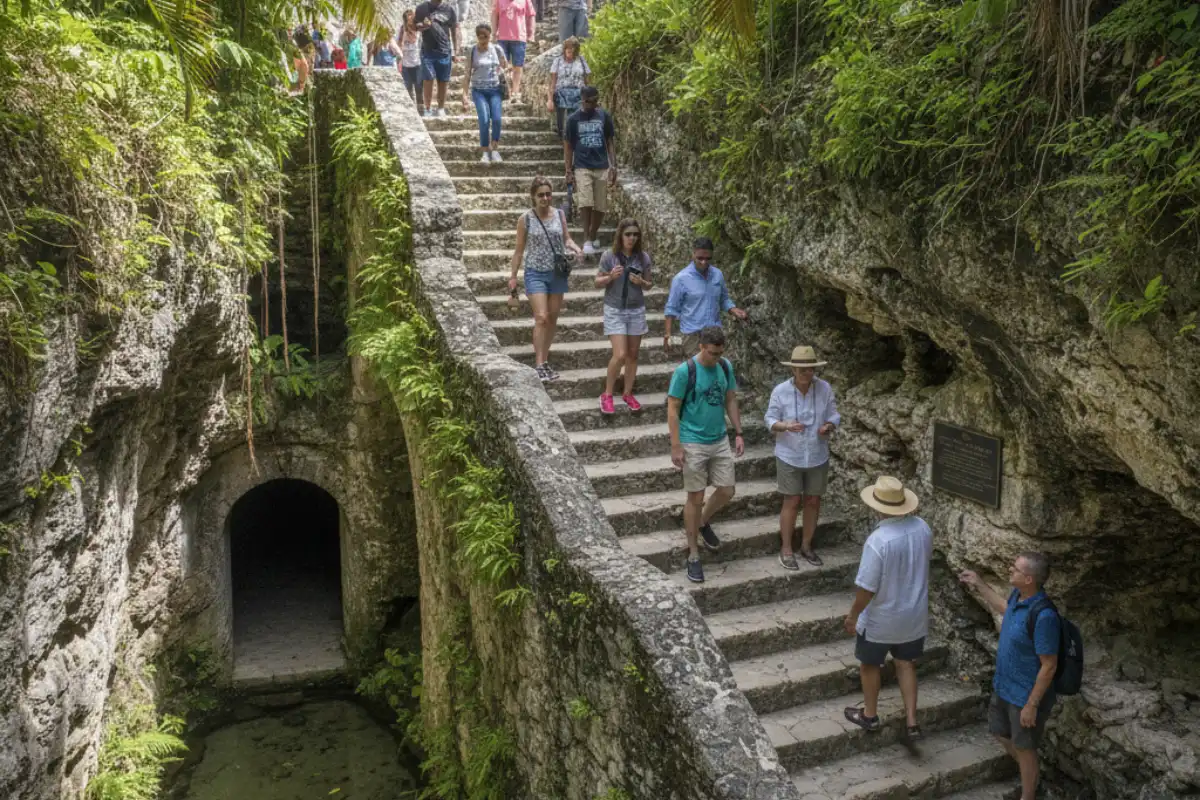
- Queen’s Staircase & Fort Fincastle: Climb the 66 steps and visit the nearby fort for panoramic views of the island and the best free photo opportunities.
- National Art Gallery of the Bahamas (NAGB): Explore Bahamian art in a beautiful colonial mansion a great way to escape the heat and delve into local culture.
- Parliament Square: See the pink colonial buildings of the Bahamian government. Great for a quick photo stop in the downtown core.
Budget-Friendly Tip: Visit the **John Watling’s Distillery** (near the Queen’s Staircase). The entrance and self-guided tour are free, offering a look at the historical property and a rum tasting opportunity (if of age).
1. The Cost of a Bed: Budget-Friendly Accommodation
This is the most challenging aspect of budget travel in Nassau. Hostels are rare. Budget accommodation means a basic private room in a guesthouse or Airbnb, almost always located outside the immediate cruise port area.
Hostel & Budget Accommodation Prices by Area (Average per night for a dorm bed/basic private room, November 2025)
| Area (Zone) | Description | Average Price (USD/night) | Pros for Budget Travelers |
|---|---|---|---|
| Downtown / East Hill St | Closest to sights, limited and basic options. | $40 – $60 | Walkable to historical sights; saves on transit. |
| Cable Beach / Western New Providence | Tourist area, safest for guesthouses/Airbnbs. | $50 – $80 | Better security; close to good beaches; easily reached by Jitney. |
| Over-the-Hill (Southern Areas) | Residential, cheapest rental options. | $30 – $50 | Lowest prices; **HIGHLY DISCOURAGED DUE TO SAFETY RISKS.** |
Note: Prices are estimated for the lowest available independent lodging. Due to scarcity, prices are high. The currency is interchangeable (USD/BSD).
Tips for Saving on Accommodation:
- **Airbnb a Guesthouse:** Your best bet is finding a basic private room on Airbnb outside the main resort corridors.
- **Location vs. Transit:** Choose a location easily accessible by the Jitney (e.g., Cable Beach) to avoid expensive taxi transfers.
2. Eating on a Dime: Nassau’s Budget Food Scene
To eat affordably, you must avoid Bay Street (downtown) and all resort areas. Local spots offer high-quality fish and traditional meals for half the price.

Budget Food Costs (November 2025):
- Arawak Cay (Fish Fry) Meal: $15 – $25 USD. A generous plate of fried fish, chicken, or conch with sides (rice, peas, plantains). Best for dinner.
- Local Bakeries/Deli Sandwich: $8 – $15 USD. Good for a cheap, simple lunch.
- Breakfast (*Boiled Fish* or *Gallo Pinto* equivalent): $10 – $18 USD. Found at local non-tourist-facing diners.
- Daily Budget for Food: $40 – $60 USD is required for three modest, local-style meals. This is the main budget killer.
Budget Eating Tips:
- **Prioritize Arawak Cay:** Head here for at least one large, affordable meal. It’s easily reached by Jitney.
- **Supermarkets:** Buy water, snacks, and basic breakfast items from local supermarkets rather than convenience stores.
3. Getting Around: The Cost of Public Transit
The **Jitney** bus system is the lifeline of the independent budget traveler in Nassau. It is efficient, runs fixed routes across the island, and is extremely affordable.

Fares (As of November 2025):
- Single Jitney Ride: **$1.50 USD** (exact cash fare required). Covers most major routes (Downtown, Cable Beach, Fish Fry).
- Taxis: Extremely expensive. A short ride can easily cost $15-$25 USD. **Always negotiate the fare before getting in.**
- Airport Transfer (Nassau Intl. Airport): Taxis are fixed price at about $30-$40 USD to Downtown/Cable Beach. Pre-booked airport shuttles offer better value.
Tips for Transportation:
- **Embrace the Jitney:** Use Jitneys (numbered buses 10, 10a, 12, etc.) for all daytime travel. They stop running around 6:00 PM – 7:00 PM; plan accordingly.
- **Night Movement:** After Jitney hours, use a ride-sharing app (if available) or an official, pre-arranged taxi, as walking at night outside the main tourist zones is strongly discouraged.
4. Staying Safe: Dangers, Scams, and Avoiding High-Risk Zones
Nassau requires common-sense vigilance. While the resort and cruise port areas are heavily patrolled, crime increases significantly in the southern and eastern residential areas, especially after dark.
Common Tourist Dangers:
- **Petty Theft/Pickpocketing:** High risk in the downtown area and on crowded Bay Street when cruise ships are docked. Keep valuables secured and out of sight.
- **Unlicensed Beach Vendors:** While usually harmless, be firm but polite in declining unsolicited services or goods on the main public beaches.
- **Taxi Overcharging:** Taxis rarely use meters; always **confirm and negotiate the price** to your destination *before* getting into the vehicle.
Areas to Be Cautious Of (and Zones to AVOID):
- **Over-the-Hill Area (South of Shirley Street):** This large residential area is considered high-risk for tourists, especially after dark. **Avoid walking here.**
- **Downtown/Bay Street (Late Night):** After the cruise ships depart and shops close (around 6 PM), the downtown area becomes deserted and prone to opportunistic crime.
- **Isolated Beaches:** Avoid walking alone on secluded beaches or trails after sunset.
5. Ensuring a Positive & Unforgettable Bahamian Trip
Focus on local culture, the beautiful water, and efficient transit to unlock the real Nassau experience.
- **Embrace the Jitney:** Learn the main routes (especially 10 or 10A for the western route) to efficiently access beaches and Arawak Cay.
- **Currency Simplicity:** The Bahamian Dollar (BSD) is 1:1 with the USD. You can use either. Locals often give change in BSD even if you pay in USD.
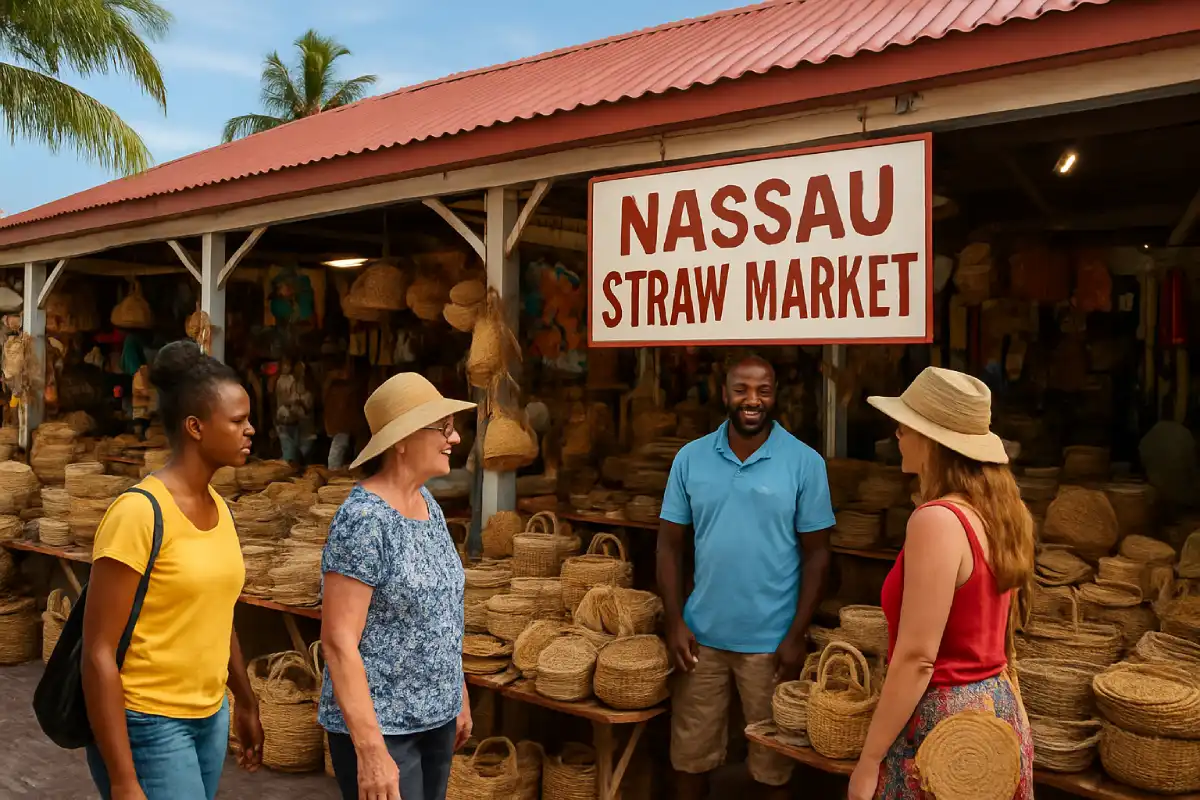
- **Visit the Straw Market:** While very tourist-focused, it’s a great place to see local crafts and practice polite negotiation skills.
- **Hit the Public Beaches:** Instead of paying for a resort pass, enjoy the free, beautiful public access at **Cable Beach** or **Junkanoo Beach** (closest to downtown).
6. Nassau Travel FAQs (November 2025)
What is the best way to get from downtown to the Fish Fry (Arawak Cay)?
Take the **Jitney Bus (Route 10 or 10A)** from the bus stop on Bay Street. It costs $1.50 and takes about 10–15 minutes.
Is the tap water safe to drink?
Tap water in Nassau is generally considered safe for drinking, as it comes from a deep aquifer, though bottled water is often preferred for taste.
What is the currency, and should I exchange money?
The currency is the Bahamian Dollar (BSD), which is pegged 1:1 to the US Dollar (USD). You can use USD everywhere, so no need to exchange.
What is Junkanoo, and can I see it?
Junkanoo is a vibrant cultural parade with music and costumes, traditionally held on Boxing Day (Dec 26) and New Year’s Day. There are sometimes mini-parades or practices in the summer.
What time do the Jitneys stop running?
Jitneys typically stop running between 6:00 PM and 7:00 PM. After this time, you must use a pre-arranged taxi or official transport.
Discover the Authentic Heart of Nassau!
Nassau offers rich history and local flavor for those willing to venture past the port. Plan smart, use the Jitneys, and enjoy the Bahamian way of life.
Explore the Bahamian Out Islands on a Budget