Mallorca: Balearic Island Bliss
Mallorca, the largest of Spain's Balearic Islands, has redefined itself for 2026 as a premier destination for sustainable luxury and rugged natural beauty. Far from the "mass tourism" stereotypes of the past, today's Mallorca offers a sophisticated blend of Gothic architecture in Palma, dramatic limestone cliffs in the Serra de Tramuntana, and turquoise coves that rival the Caribbean. This guide draws from the latest expert travel journals and community forums to provide a roadmap for navigating the island’s diverse landscape balancing the trendy beach clubs of the south with the authentic, olive-grove-dotted soul of the north.
1. Mallorcan Living: Luxury Fincas vs. Urban Boutique Stays (June 2026)
Mallorca offers a massive range of lodging. While the coastal resorts are popular, the “Agroturismo” (farm-stay) movement has become the most sought-after experience in 2026, offering peace and luxury in converted manor houses.
Lodging Prices by Region (Average per night, June 2026) – All Prices in Euro (€)
| Area / District | Description | Average Price (EUR/night) | Traveler Vibe |
|---|---|---|---|
| **Palma (Old Town)** | Historic boutique hotels near the Cathedral. Vibrant and cultural. | **€160 – €300** (Boutique Hotel) | Urban explorers and weekend break travelers. |
| **Sóller / Deià** | Nestled in the mountains. Dramatic scenery and artistic history. | **€200 – €450** (Traditional Finca) | Couples and hikers seeking upscale tranquility. |
| **Alcúdia / Pollença** | Northern bays with long sandy beaches and medieval walls. | **€90 – €180** (Family Resort / Apartment) | **Ultimate Value Hack:** Perfect for families and long-term beach stays. |
2. Gastronomy: Ensaimadas, Sobrassada, and Michelin Stars
Mallorca is a culinary powerhouse. Beyond the tourist-heavy “Paella” spots, the island focuses on “Zero Kilometer” ingredients. Traveler reviews suggest that the best value is found in “Cellers” traditional wine cellars converted into rustic restaurants.
Estimated Budget Food Costs (June 2026)
- **Local Breakfast (Ensaimada & Coffee):** €5 – €9 (The spiral-shaped pastry is the island’s most famous treat).
- **Menu del Día (Mid-day):** €15 – €22 (The most cost-effective way to eat a three-course meal with wine included).
- **High-End Coastal Dining:** €70 – €130 (Fresh seafood at a port-side restaurant in Andratx or Portixol).
- **Local Markets:** Visit the **Mercat de l’Olivar** in Palma for fresh local cheese, olives, and Sobrassada (cured pork paste).
- **Estimated Daily Budget for Food:** €50 – €85.
3. Island Bliss: Limestone Peaks and Hidden Calas
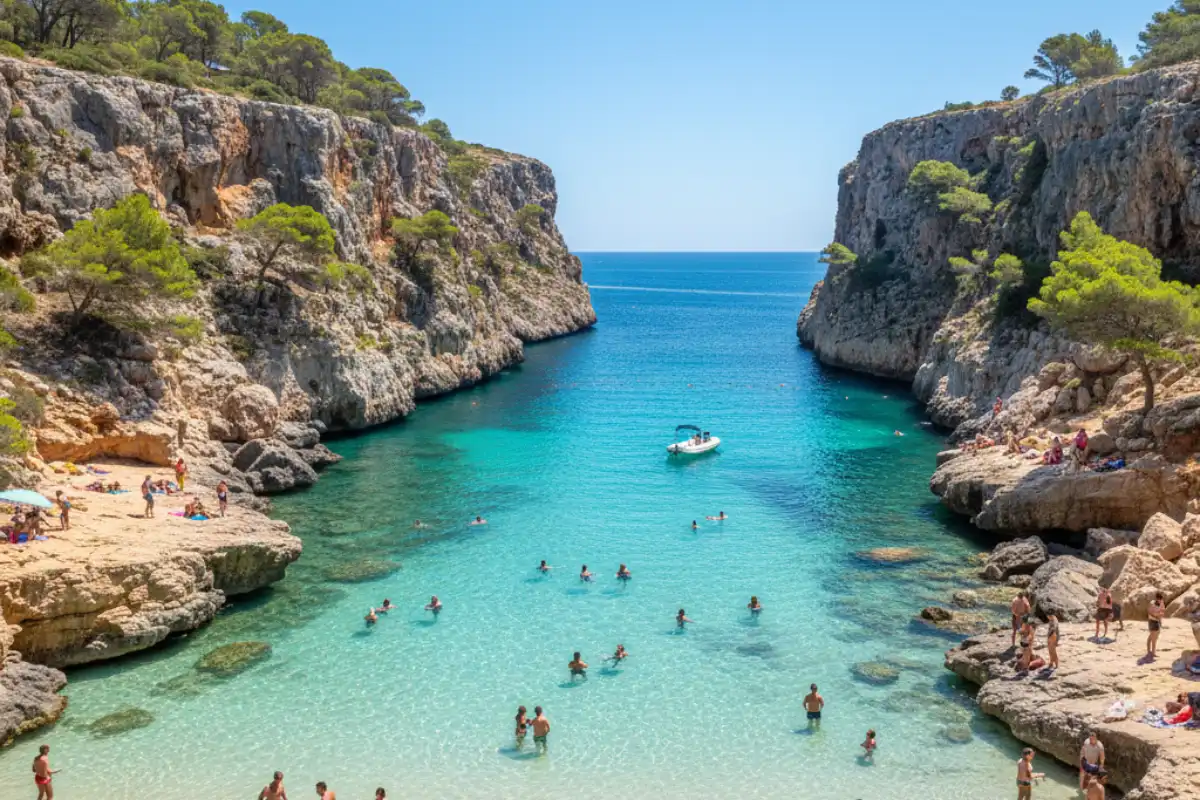
The island is a paradise for outdoor enthusiasts. In 2026, active tourism specifically cycling and coastal hiking has seen a massive surge in popularity.
- **Palma Cathedral (La Seu):** **€10**. (An architectural masterpiece with one of the world’s largest rose windows).
- **Ferrocarril de Sóller:** **€32** round trip. (A historic wooden train ride through the orange groves of the Tramuntana mountains).
- **Caves of Drach:** **€17 – €20**. (Explore the massive underground Lake Martel with a live classical music concert).
- **Serra de Tramuntana Hiking:** **Free**. (The GR221 “Dry Stone Route” offers world-class trekking with spectacular sea views).
4. Getting Around: The Freedom of a Rental Car
While Palma is walkable, Mallorca is vast. To see the hidden coves and mountain villages, a vehicle is essential. For 2026, the island has expanded its electric vehicle (EV) charging network significantly.
Essential Transport for Tourists:
- **Car Rental:** **€45 – €75 per day**. (Book a small car—the mountain roads are narrow and parking in villages is tight).
- **TIB Intermodal Bus:** **€3 – €10**. (An excellent, modern bus network connecting Palma to major tourist towns).
- **Palma Metro / City Bus:** **€2**. (Efficient for getting around the capital and to nearby beaches like Cala Mayor).
5. Safety and Island Etiquette (2026)
Mallorca is very safe, but the high volume of summer visitors means travelers should be aware of environmental regulations and common urban nuisances.
Key Considerations for Tourists:
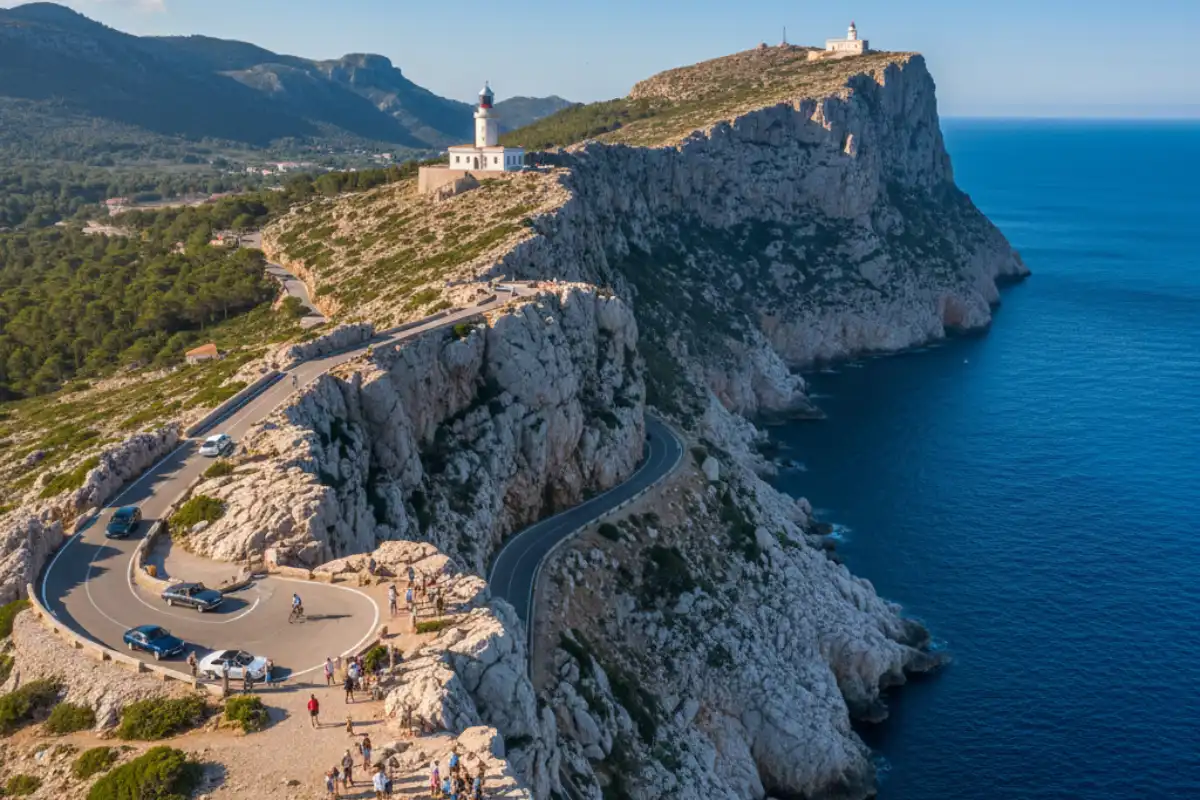
- **Mountain Driving:** The road to Sa Calobra has 270-degree turns. If you are not a confident driver, take the boat from Port de Sóller instead.
- **Water Conservation:** Mallorca suffers from water scarcity. In 2026, many hotels have implemented “eco-meters.” Please be mindful of shower times.
- **Sun Protection:** The Tramuntana breeze can be deceptive. The UV index is extremely high in June; reapply sunblock even if it feels cool.
Be aware of local laws to avoid heavy fines:
- **Beach Smoking Ban:** Many Mallorcan beaches are now “Smoke-Free.” Fines for lighting up or leaving butts in the sand are strictly enforced in 2026.
- **Street “Bird” Scammers:** In Palma, avoid anyone trying to place a “lucky” flower or bird on you; they will demand a high payment.
- **Unlicensed Rentals:** Only stay in properties with a valid “ETV” tourism license number to ensure your safety and consumer rights.
6. Insider Tips for a Perfect Mallorcan Journey
- **Visit Deià at Golden Hour:** This hillside village is the most beautiful on the island. Grab a drink at a “Chiringuito” (beach bar) in Cala Deià as the sun sets.
- **Cycle the Tramuntana:** Mallorca is the world’s cycling capital. Even if you aren’t a pro, renting an e-bike for a day in Sóller is a fantastic way to see the scenery.
- **The Valldemossa Sunday Market:** Perfect for buying local crafts, textiles, and olive wood products away from the mass-produced souvenir shops.
- **Port de Pollença for Families:** It has the calmest waters and a beautiful “Pine Walk” promenade that is ideal for evening strolls with strollers.
7. Essential Mallorca Travel FAQs (June 2026)
Is the tap water drinkable in Mallorca?
The tap water is safe but often has a strong mineral taste. Most locals and tourists use filtered water or buy 5L jugs from supermarkets.
When is the best time to visit Mallorca in 2026?
June and September offer the best balance of warm sea temperatures and manageable crowds. Avoid August if you dislike intense heat and crowded beaches.
Do I need to speak Spanish?
English and German are widely spoken. However, the local language is **Mallorquí** (a dialect of Catalan). Learning basic Spanish phrases is always appreciated in smaller villages.
Is Mallorca a “party island”?
Only in specific pockets like Magaluf or S’Arenal. 90% of the island is focused on nature, culture, and family-friendly relaxation.
How do I get to the airport from Palma?
The **A1 Bus** runs every 15 minutes from the city center to the airport and costs **€5**. Taxis are also plentiful and cost around **€25 – €30**.
Ready to discover the perfect blend of mountain peaks and Mediterranean coves? Start planning your 2026 Mallorca escape today!
Book Your Mountain Finca Now