How to Plan a Road Trip Focused on Nature
In 2026, the traditional road trip has undergone a transformation. Travelers are no longer just looking for the fastest route from point A to point B; they are seeking intentional immersion in the natural world. A nature-focused road trip is about the "quiet spots" between the landmarks — the hidden trailheads, the dark sky reserves, and the whispering forests. To help you navigate the wild, we’ve synthesized advice from the Overlanding Association, veteran van-lifers on Reddit’s roadtrip, and sustainable travel experts to create this comprehensive planning blueprint.
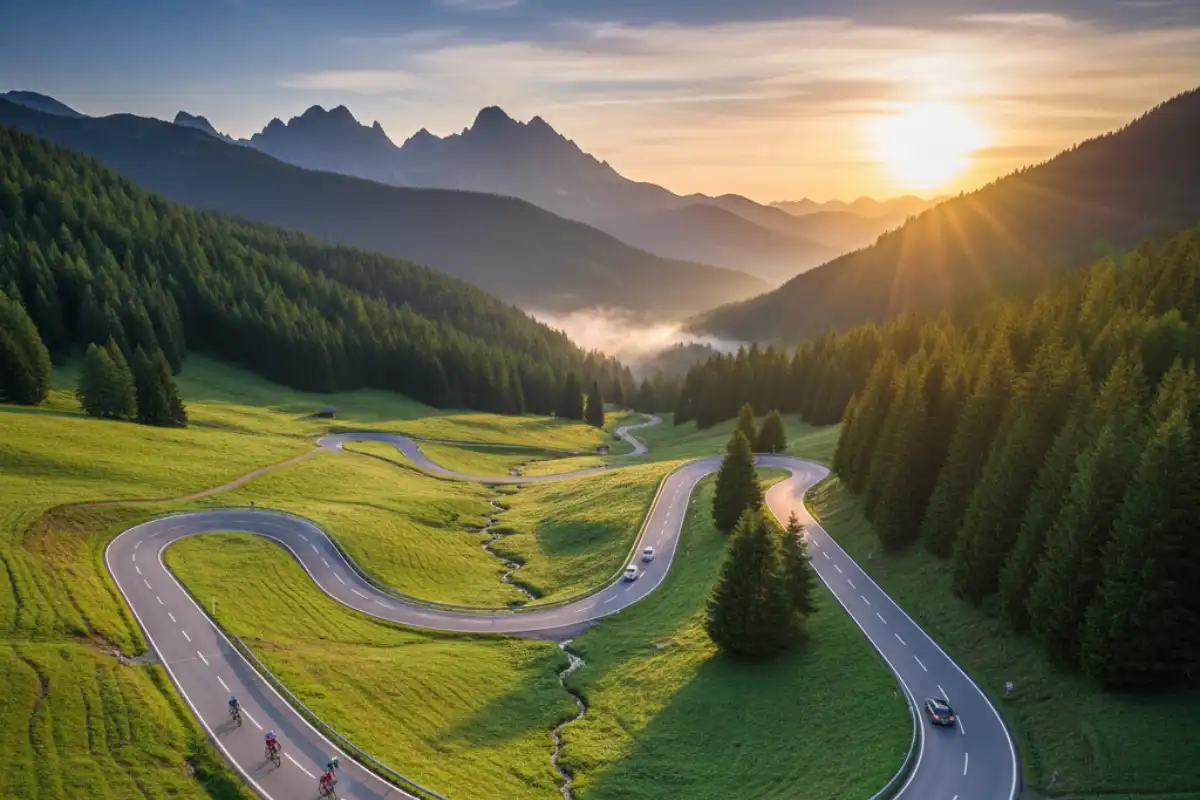
1. The “Green-Routing” Strategy
Planning a nature trip requires different tools than a standard city-hopping itinerary. The goal is to maximize time in scenic corridors while minimizing time on major interstates.
- Use Specialized Maps: While Google Maps is great for traffic, apps like Gaia GPS or AllTrails allow you to see topographical layers and public land boundaries (BLM or National Forest), which are essential for finding secluded spots.
- The “Three-Hour” Rule: Veteran travelers suggest limiting driving to three hours a day. This leaves ample time for spontaneous hikes, wildlife photography, or simply sitting by a river without feeling rushed.
- Scout for Scenic Byways: Look for designated National Scenic Byways. These routes are legally recognized for their archaeological, cultural, and natural qualities.
“The biggest mistake people make is over-scheduling. Nature doesn’t follow a timetable. If you see a dirt road that looks interesting and you have the right vehicle, take it. Some of our best memories were made in places that weren’t even on our original map.” — Frequent contributor to the Expedition Portal forums.
2. Accommodation: From Glamping to Boondocking
Where you sleep dictates how connected you feel to the environment. In 2026, dispersed camping (camping outside of designated campsites) is the ultimate way to find solitude, but it requires knowledge of local regulations.
| Type | Best For | Requirement |
|---|---|---|
| National Parks | Iconic landscapes and amenities | Book 6+ months in advance |
| Dispersed/BLM Land | Total solitude and zero cost | High-clearance vehicle & self-sufficiency |
| Eco-Lodges | Comfort without the footprint | Higher budget, minimal impact |
3. The Ethics of Nature Travel
With more people heading into the wild, the “Leave No Trace” principles are more important than ever. A nature-focused trip should leave the environment exactly as you found it or better.
- Wildlife Distance: Use the “Rule of Thumb.” If you can’t cover the entire animal with your thumb at arm’s length, you are too close.
- Waste Management: In 2026, many sensitive areas require you to pack out *all* waste, including human waste. Be prepared with WAG bags if you are heading off-grid.
- Light Pollution: Use red-light headlamps at night to avoid disrupting local wildlife and to preserve your own night vision for stargazing.
Nature Road Trip: Frequently Asked Questions
What vehicle is best for a nature-focused road trip?
It depends on your terrain. For most National Parks, a standard sedan is fine. However, if you want to access dispersed camping on BLM land, an AWD or 4WD vehicle with at least 8 inches of ground clearance is recommended to navigate rutted dirt roads safely.
How do I find water and fuel in remote areas?
Use apps like iOverlander or GasBuddy. Always follow the “Half-Tank Rule”: in remote nature areas, never let your fuel drop below half a tank. Carry at least 5 gallons of potable water per person as a backup.
How can I stay connected without cell service?
Download your maps for offline use before you leave. For safety, carry a satellite messenger (like a Garmin inReach or a Zoleo). In 2026, many nature travelers also use Starlink Mini for remote work, but remember that the goal is often to disconnect!
Is it safe to go on a nature road trip alone?
Yes, provided you are prepared. Always share your live location with someone back home and carry a basic emergency kit. Stick to well-trafficked trails until you are confident in your backcountry skills.
How much should I budget for a 2-week nature trip?
If camping, your primary costs will be fuel and food. A typical budget is $1,500–$2,500 for two weeks, including park passes (like the ‘America the Beautiful’ pass) and occasional paid campsites or gear rentals.
Conclusion: Reconnect with the Wild 🌲🚙
A nature-focused road trip is the ultimate antidote to the fast-paced modern world. By slowing down, choosing the scenic path, and respecting the ecosystems you visit, you don’t just see the landscape you become part of it. Start small, plan well, and let the wilderness lead the way.