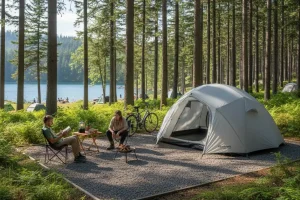
How to Find Hidden Natural Wonders
In an age where every "secret beach" is geotagged on Instagram, finding true, untouched natural wonders requires a shift in strategy. In 2026, the best locations aren't found on the front page of Google; they are hidden in topographic maps, local folklore, and specialized digital niches. To escape the crowds and find the extraordinary, you must learn to think like a modern explorer. We’ve gathered unconventional wisdom from National Geographic contributors, solo hikers on WildernessBackpacking, and specialized "geo-detectives" to create this masterclass in discovery.
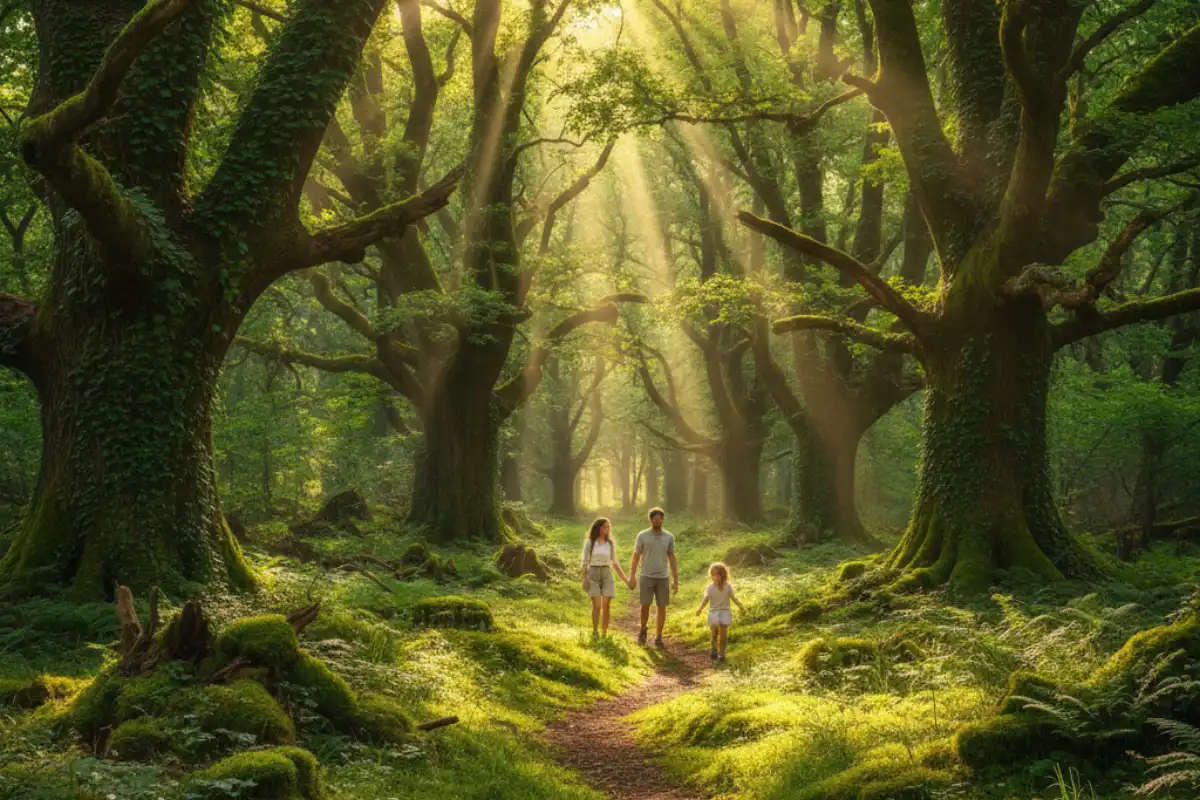
1. Digital Detective Work: Beyond Google Maps
While most tourists use satellite view to find a parking lot, explorers use it to identify geological anomalies. To find the unseen, you need to look for the “white spaces” on the map.
- Topographic Heatmaps: Use apps like Gaia GPS or AllTrails, but filter for “Heatmaps.” This shows you where people are *not* going. Areas with dramatic elevation changes but zero foot traffic often hide spectacular cliffs or canyons.
- Satellite Anomaly Hunting: On Google Earth, look for unusual colors in rivers (indicating mineral-rich springs) or circular “dents” in the forest canopy that could be hidden sinkholes or “cenotes.”
- The Flickr/Photo-Search Hack: Search photo-sharing sites for terms like “Waterfall” and sort by “Oldest” or “Unsorted.” You’ll often find high-res photos from 15 years ago of spots that have since been forgotten by the digital algorithm.
“The best spots aren’t ‘found’; they are decoded. I once spent three hours comparing a 19th-century gold miner’s map with modern LiDAR scans. I found a waterfall in the Cascades that wasn’t on a single modern trail map. It felt like stepping into another century.” — Solo hiker on a specialized adventure forum.
2. Harvesting Local Knowledge (Safely)
The most spectacular natural wonders are often “backyard secrets” for locals. Accessing this info requires social grace and genuine curiosity.
| Source | Strategy | What You’ll Find |
|---|---|---|
| Local Fly-Fishing Shops | Ask about “quiet river bends” | Pristine swimming holes and clear pools. |
| Old Guidebooks | Check thrift stores for 1980s maps | Trails that were “decommissioned” but still exist. |
| Gas Station Clerks | “Where did you go as a kid?” | Nostalgic, non-commercialized viewpoints. |
| University Geology Depts | Search for public research papers | Rare caves, fossils, or unique rock formations. |
3. The Ethics of “Hidden” Travel
Finding a wonder comes with a heavy responsibility. In 2026, the concept of “Invisible Travel” is vital to preserving these delicate ecosystems.
- Geotagging Ethics: If you find a truly pristine spot, don’t pin the exact location on social media. Share the region, but keep the specific trail a secret to prevent “over-tourism.”
- LiDAR & AI: New 2026 AI tools can analyze terrain to predict where caves or springs *should* be. Use these to find spots, but always cross-reference with local land ownership records to avoid trespassing.
- Leave No Trace 2.0: Because these spots don’t have trash cans or trail maintenance, your impact is magnified. Pack out more than you pack in.
Finding Natural Wonders FAQ
Is it safe to go looking for ‘hidden’ spots alone?
Not recommended. Hidden spots usually lack cell service and marked trails. If you go, use a Satellite Messenger (like Garmin inReach), leave a detailed “flight plan” with a friend, and ensure you have offline topographic maps downloaded.
How can I tell if a spot is on private property?
Use an app like OnX Hunt or BaseMap. These show parcel boundaries and ownership names in real-time. Never cross a fence or a “No Trespassing” sign, even if the “wonder” is just on the other side.
What are the best search terms for finding hidden nature on social media?
Avoid generic hashtags like #waterfall. Instead, search for specific geological terms like “karst formation,” “slot canyon,” “alluvial fan,” or “glacial erratic” followed by the name of a county or mountain range.
Does LiDAR technology help regular travelers?
Yes! In 2026, many government agencies offer public LiDAR maps. Unlike satellite photos, LiDAR “sees through” trees to show the ground surface, revealing hidden ruins or waterfall drops that are invisible under the canopy.
What should I do if I find a ‘new’ natural wonder?
First, enjoy it! Second, check if it’s an archaeologically significant site. If you find petroglyphs or artifacts, do not touch them. Photograph them and contact a local university or park service you might have made a real discovery.
Conclusion: The Reward of the Search 🏔️🧗
Finding a hidden natural wonder is more than just a destination; it’s a testament to your curiosity and persistence. In a world that feels fully mapped, there is still so much to discover for those willing to look behind the screen and beyond the trail. Respect the land, protect the secret, and keep exploring. The most beautiful places on Earth don’t have an entrance fee they just require a little bit of magic and a lot of research.