How to Choose the Right Hiking Boots
In the world of outdoor adventure, your boots are the most critical piece of gear you will ever own. A poorly fitted boot can turn an epic mountain traverse into a painful ordeal of blisters and bruised toes. In 2026, the market has shifted from "one-size-fits-all" heavy leather to terrain-specific engineering. Whether you are tackling the PCT or a local forest loop, selecting the right footwear requires understanding the science of fit and the demands of your environment. We’ve synthesized technical advice from Backpacker Magazine, gear reviews from OutdoorGearLab, and real-world durability feedback from the Ultralight and Hiking communities to help you find your perfect match.
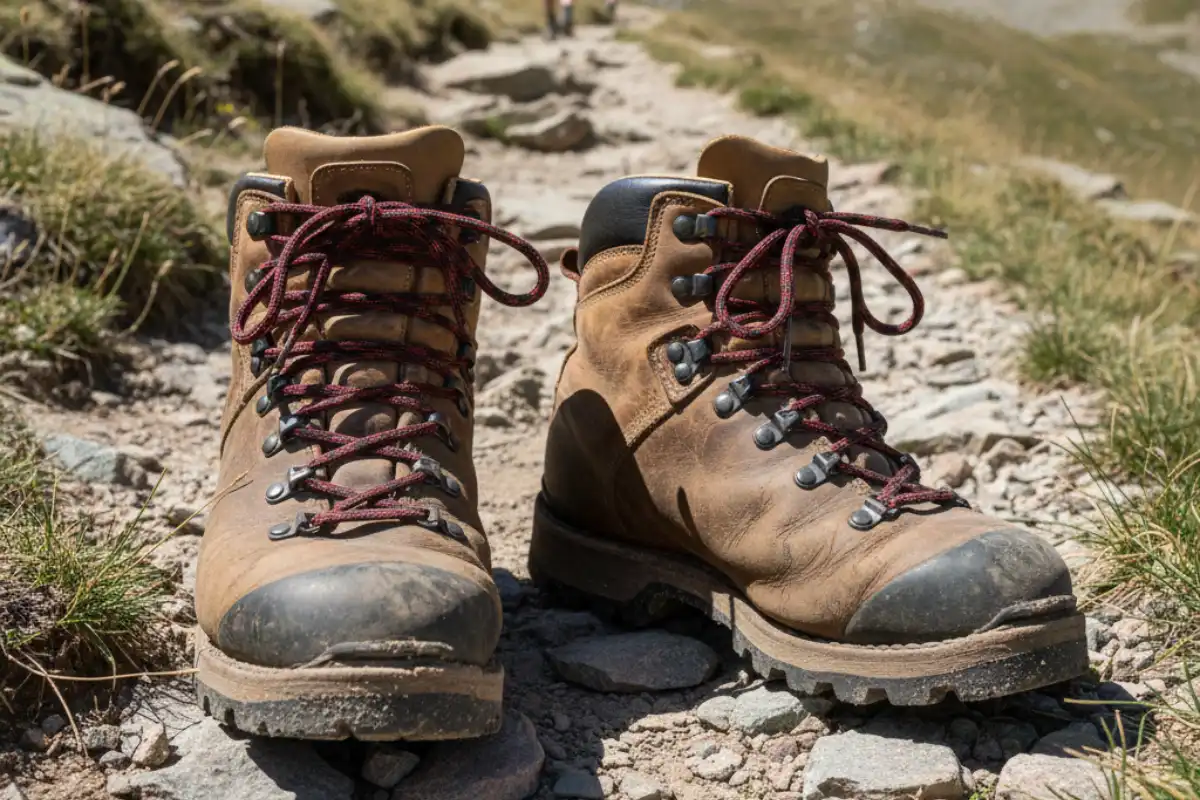
1. Categorizing the Terrain: What Type Do You Need?
Not all trails are created equal. The weight of your pack and the roughness of the ground determine the level of support you need.
| Type | Best For | Key Feature |
|---|---|---|
| Hiking Shoes | Day hikes, well-maintained trails | Flexibility and low weight |
| Day Hiking Boots | Short backpacking trips, uneven terrain | Mid-to-high ankle support |
| Backpacking Boots | Heavy loads, multi-day off-trail treks | Stiff midsoles and high durability |
| Trail Runners | Fast-packing, ultralight thru-hiking | Maximum breathability and speed |
“The ‘Old Guard’ says you need heavy boots for ankle support, but the modern consensus on thru-hiking forums is shifting. Unless you have chronic ankle issues or a 40lb pack, lightweight trail runners often lead to less fatigue and fewer blisters because your feet can actually breathe.” — Veteran hiker on the Appalachian Trail subreddit.
2. The Science of the Perfect Fit
A boot that feels good in the store can feel like a torture device after five miles. Follow these non-negotiable fitting rules used by professional outfitters.
- The “Evening” Rule: Always shop for boots in the late afternoon. Your feet naturally swell throughout the day, mimicking the swelling that occurs during a long hike.
- The Finger Test: With your toes pushed to the front of the unlaced boot, you should be able to slide one finger behind your heel. This ensures your toes won’t smash into the front on steep descents.
- Bring Your Socks: Don’t try on boots with thin dress socks. Wear the moisture-wicking merino wool socks you actually intend to hike in.
3. Components to Consider: Waterproofing vs. Breathability
In 2026, the “Gore-Tex vs. Non-Gore-Tex” debate is more nuanced than ever. Choosing the wrong material can lead to “swamp foot.”
- Waterproof Membranes: Ideal for snowy conditions, wet grass, or muddy autumn trails. However, they trap heat and dry very slowly once wet inside.
- Full-Grain Leather: Extremely durable and naturally water-resistant, but requires a long “break-in” period before they become comfortable.
- Vibram Soles: Look for the yellow Vibram octagon. It remains the gold standard for “sticky” traction on wet rock and longevity on abrasive gravel.
Hiking Boot FAQ: Advice from the Experts
How long does it take to break in new hiking boots?
Synthetic shoes and trail runners often feel great out of the box. Mid-weight boots typically need 15–20 miles of walking, while heavy leather backpacking boots may require 50 miles or more before the stiff materials soften to your foot shape.
Should I buy hiking boots a half-size larger?
Generally, yes. Most hikers benefit from sizing up by a half or even a full size to accommodate foot swelling and prevent “toe bang” during downhill sections. Your feet should never feel cramped.
When should I replace my hiking boots?
Look at the tread. If the lugs are worn flat, you’ve lost your safety grip. Most high-quality boots last between 500 and 1,000 miles. If the midsole feels “dead” or compressed, the cushioning is gone, which can lead to knee pain.
Are waterproof boots always better?
Not always. In hot, dry climates (like Arizona), waterproof boots will make your feet sweat excessively, which actually causes blisters. In these environments, highly breathable mesh is superior.
How do I prevent heel slippage?
Use a “Heel Lock” or “Surgeon’s Knot” lacing technique. This cinches the boot around your ankle without over-tightening the rest of the foot, keeping your heel firmly in the pocket.
Conclusion: Listen to Your Feet 🥾🌲
The “best” hiking boot isn’t the most expensive one or the one with the best online reviews — it’s the one that matches the geometry of your foot and the demands of your trail. Take your time, test them on an incline, and remember that investing in quality footwear is an investment in your safety and enjoyment of the wild. See you on the summit!