Hiking Safety Tips for Solo Travelers
There is a profound sense of freedom that comes with solo hiking no compromises on pace, no chatter to drown out the wind, and a deep connection with the terrain. However, in 2026, as trails become more accessible yet climate patterns more unpredictable, the margin for error when trekking alone has narrowed. For the solo traveler, preparation is the only partner you have on the trail. Drawing from the archives of Backpacker Magazine, survival experts on Reddit’s SoloHiking, and long-distance trail veterans, we’ve compiled the definitive safety protocols for your next solo adventure.
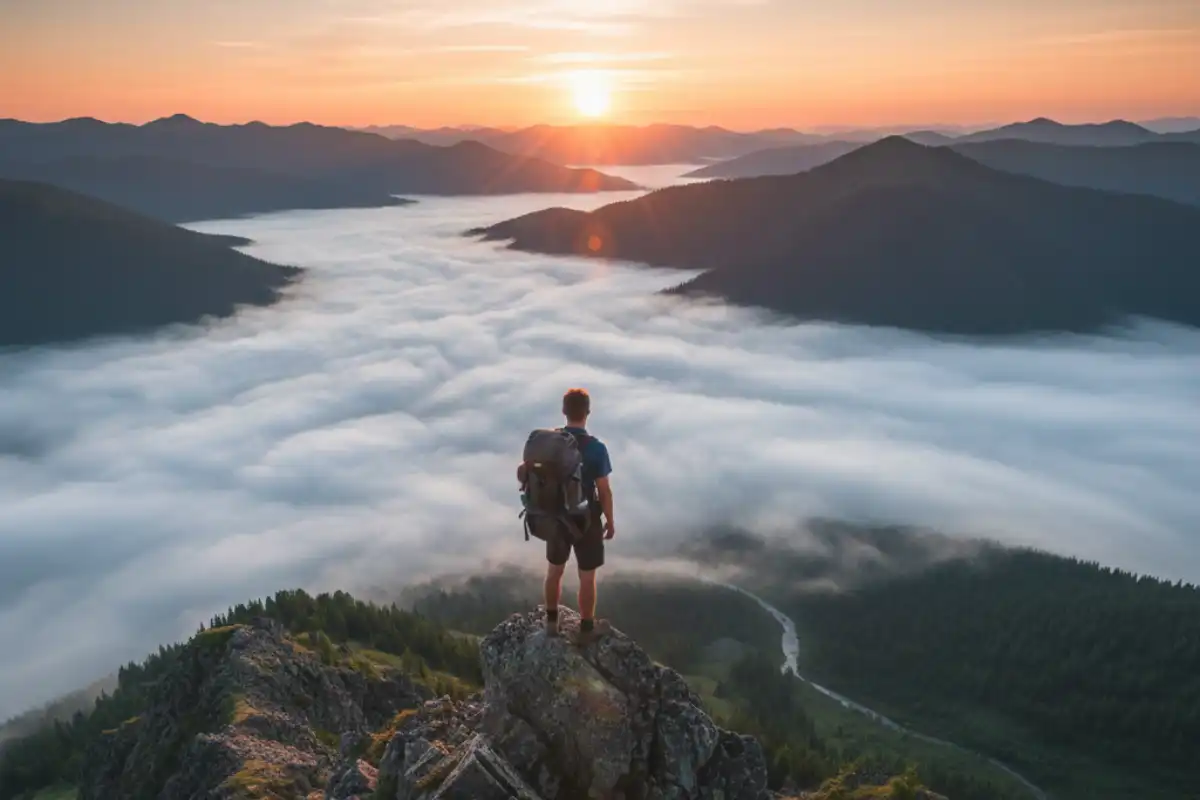
1. The “Invisible Thread”: Leave a Trace (Behind the Scenes)
The most dangerous mistake a solo hiker can make is disappearing without a digital or physical footprint. If no one knows you are missing, no one can look for you.
- The Detailed Itinerary: Leave a document with a trusted friend that includes your trail name, the specific trailhead where you parked, your expected “out” time, and the “panic” time (when they should call emergency services).
- Satellite Messengers: In 2026, relying solely on a smartphone is insufficient. Devices like the Garmin inReach or Zoleo are essential. They allow for two-way messaging and SOS triggers even in deep canyons where cell towers don’t reach.
- Trail Registers: Always sign the physical logs at trailheads. If Search and Rescue (SAR) is deployed, these logs are the first place they check to narrow down your last known position.
“I always take a photo of my boot prints at the start of every solo hike and text it to my brother. If I go missing, SAR knows exactly what tread pattern to track in the mud or snow. It’s a small habit that could save your life.” — Safety tip from a Pacific Crest Trail thru-hiker.
2. Solo Gear: The “Ten Essentials” Plus One
When you’re alone, you can’t rely on a partner to carry the first aid kit or the extra water filter. Your pack must be a self-contained life-support system.
The Solo Hiker’s 2026 Survival Kit:
- Redundant Navigation: A GPS watch is great, but always carry a paper map and a physical compass. Electronics fail; paper doesn’t.
- The Emergency Shelter: Even on a day hike, carry an ultralight bivy or a space blanket. An unexpected injury can turn a 4-hour hike into an unplanned overnight stay.
- Whistle and Mirror: Your voice will fail long before a whistle does. Three sharp blasts are the universal signal for help.
- Extra Calories: Carry one full day’s worth of “emergency-only” food that requires no cooking.
3. The Psychology of Solo Safety
Safety is as much about your mindset as it is about your gear. Many solo accidents are caused by “Summit Fever” the refusal to turn back despite deteriorating conditions.
- The “Turn-Around” Time: Set a hard time to turn back, regardless of how close you are to the peak. If your goal is 2:00 PM and you haven’t reached the top, turn around. The mountain will be there tomorrow; you might not be.
- Trust Your Gut: If a stream crossing looks too deep or a rock scramble feels too slick, don’t “push through” it. Without a partner to help pull you out, the risk-to-reward ratio changes drastically.
- Social Discretion: On the trail, it is often wise to be vague about being alone. If you encounter strangers who make you feel uneasy, it’s perfectly fine to say, “My friends are just a few minutes behind me.”
Solo Hiking Safety: FAQ
What is the #1 cause of solo hiking accidents?
Statistically, slips and falls resulting in lower-leg injuries are the most common. When alone, a simple sprained ankle can become life-threatening if you are unable to move and haven’t left an itinerary with anyone.
Is it safe to hike alone in bear country?
Yes, but you must be more vocal. Bears are usually startled by solo hikers because they make less noise than groups. Make it a habit to call out “Hey Bear!” every few minutes, especially near rushing water or in thick brush, and always carry bear spray in an accessible holster.
How much water should a solo hiker carry?
The standard rule is half a liter per hour in moderate conditions. However, as a solo traveler, carry an extra liter as a buffer and a lightweight filtration system (like a Sawyer Squeeze) to replenish from natural sources.
Should I tell people on the trail that I am solo?
While the hiking community is generally helpful, use your intuition. It is safer to share your plans with “official” people like Park Rangers or camp hosts than with every stranger you pass.
What should I do if I get lost while alone?
Use the S.T.O.P. rule: Sit, Think, Observe, Plan. Do not wander aimlessly, as this makes it harder for SAR to find you. If you have a whistle or satellite messenger, stay in one place and signal for help.
Conclusion: Empowerment Through Preparedness 🏔️
Solo hiking is one of the most rewarding ways to experience the natural world, offering a unique clarity and sense of accomplishment. By respecting the rules of the wilderness and acknowledging your own limits, you ensure that your solo journey is a story of adventure, not a cautionary tale. The trail is calling go prepared.