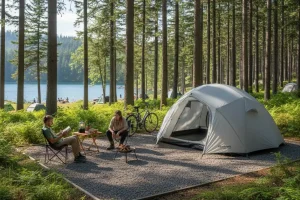
Fire-Making Techniques Without Matches
In 2026, the resurgence of "primitive living" and bushcraft has turned fire-making from a desperate survival necessity into a respected art form. Whether you find yourself stranded in the wilderness or simply want to test your ancestral instincts, knowing how to produce a flame from nothing is the ultimate traveler's hack. It’s not just about the sparks; it’s about wood selection, moisture management, and the physics of friction. We’ve compiled these techniques from legendary survival forums like BushcraftUK, the Reddit Survival community, and expert insights from 2026 wilderness instructors.
1. The Power of Friction: Working for Your Warmth
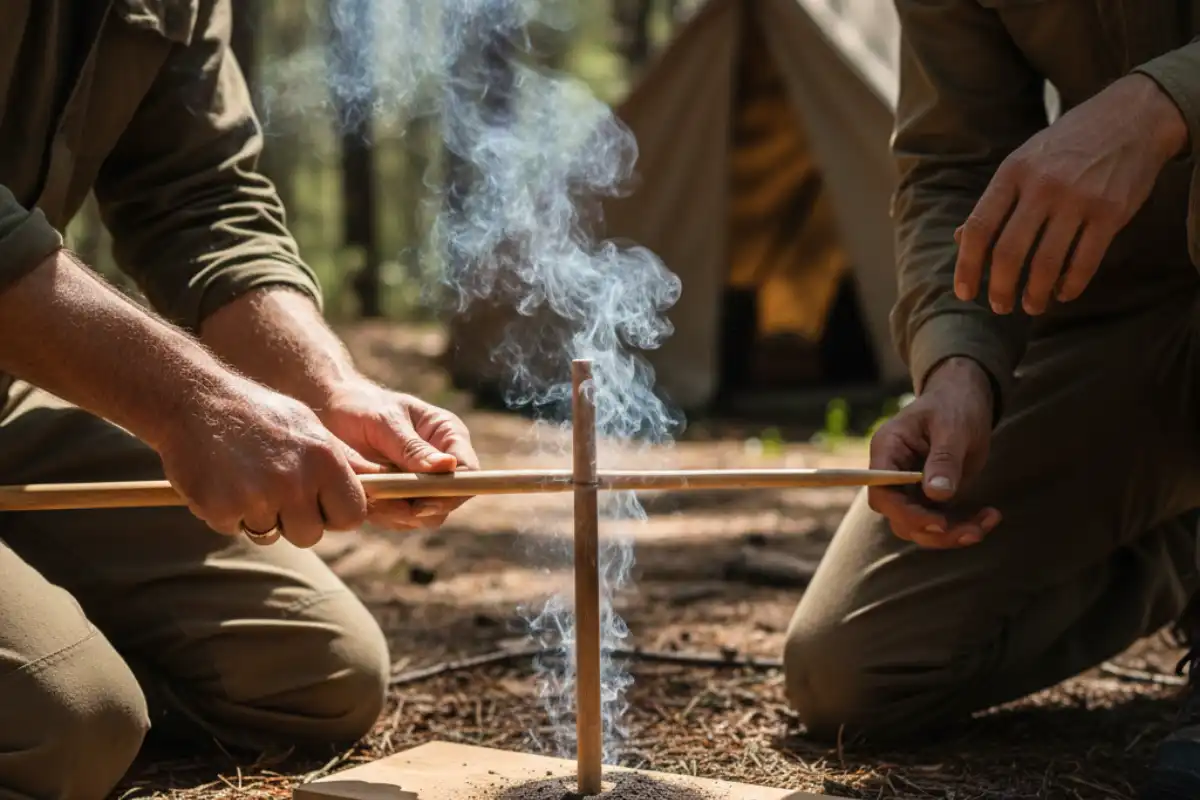
Friction fire is the most iconic primitive method. It requires patience and a specific “rhythm” that mimics the slow build-up of heat in a modern combustion engine.
- The Bow Drill: Often cited by forum users as the most reliable friction method. By using a “bow” to spin a spindle into a “hearth board,” you generate speed that your hands alone couldn’t achieve. Tip: Use paracord for your bow string it’s the 2026 standard for durability.
- The Hand Drill: The “original” method. It requires spinning a stick between your palms while exerting downward pressure. It is physically demanding but requires the least amount of manufactured tools.
- The Fire Plow: Common in tropical climates. You “plow” a hardwood stick along a groove in a softwood board. The heat builds up in the “dust” created at the end of the groove.
“The biggest mistake beginners make with a bow drill is using wood that’s too ‘green’ or too hard. Look for standing deadwood that snaps like a bone. If it bends, it won’t burn. Cedar or Basswood are your best friends in the woods.” — Veteran moderator on a leading survival forum.
2. Choosing Your Ignition: A Method for Every Climate
The best technique depends entirely on your environment and the tools at hand. Here is the 2026 efficiency breakdown.
| Method | Climate | Effort Level | Reliability |
|---|---|---|---|
| Flint and Steel | Wet/Humid | Low | Very High |
| Bow Drill | Dry/Cold | High | High |
| Solar (Lens) | Arid/Sunny | Very Low | Weather Dependent |
| Battery & Wool | Urban/Scrap | Minimal | Instant |
3. Modern Scavenger Hacks: Fire from Junk
Sometimes, the “primitive” way involves utilizing modern debris found in nature. In 2026, survivalists emphasize the “Multi-tool of the Sun.”
- The Soda Can Reflector: You can polish the bottom of a soda can with toothpaste or chocolate to create a mirror. This focuses sunlight onto your tinder just like a professional magnifying glass.
- The 9V Battery Trick: If you find a discarded 9V battery and some fine steel wool, touching them together creates an instant electrical short that ignites the wool. It’s a 2026 favorite for “emergency urban survival.”
- Water Bottle Lens: A clear plastic bottle filled with water can act as a convex lens. Angle it toward the sun to focus a beam onto a small point of dry tinder.
Fire-Making FAQ
What is the single best wood for friction fire?
Experts agree that Cedar, Yucca, and Willow are the most reliable. The “thumbnail test” is key: if you can press your thumbnail into the wood and leave a dent, it’s soft enough to create the necessary dust for an ember.
Can I start a fire in the rain without matches?
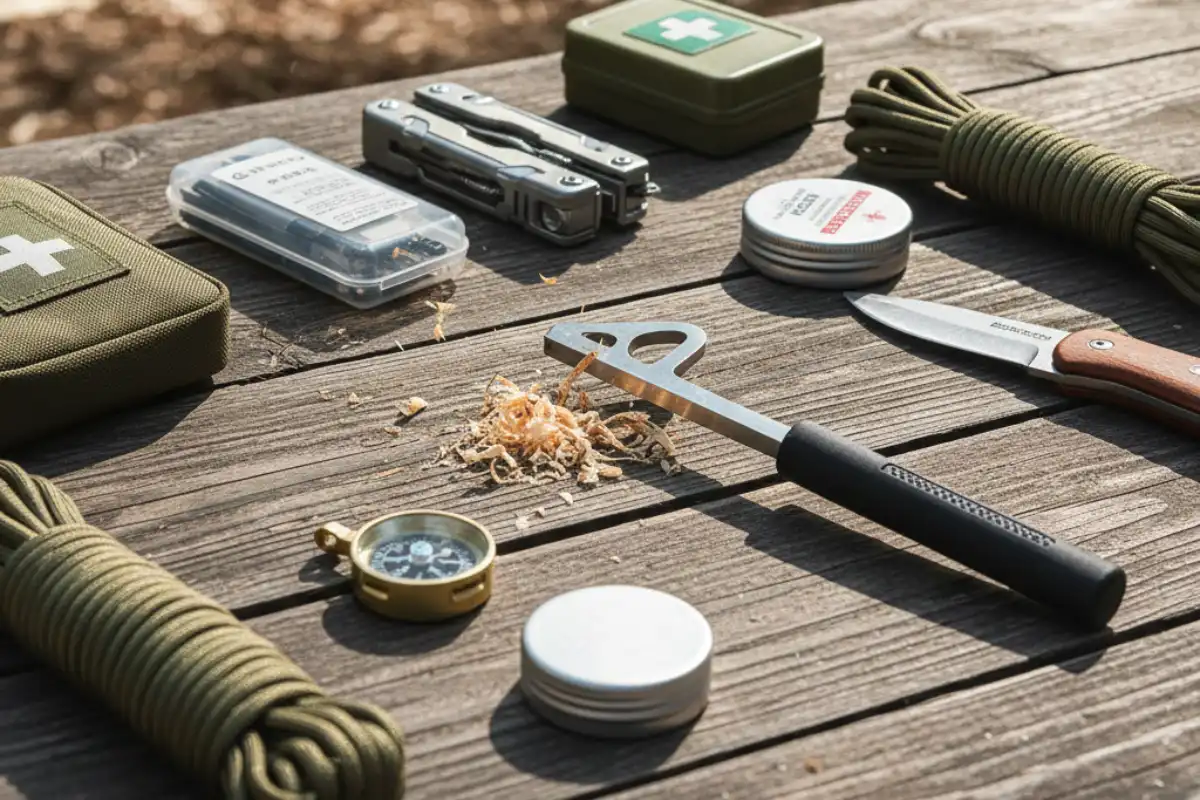
Yes, but it requires Fatwood (resin-soaked pine). Even in a downpour, the resin in fatwood remains flammable. Scraping it into fine shavings allows you to catch a spark from a ferro rod even in wet conditions.
What is “Char Cloth” and do I need it?
Char cloth is organic fabric (like a 100% cotton t-shirt) that has been partially burned in an airtight container. It catches the weakest spark and turns it into a glowing ember. For Flint and Steel users, it is almost mandatory.
How do I transfer an ember to a flame?
Use a tinder bundle (or “bird’s nest”). This should be made of dry, fibrous material like cedar bark, dry grass, or jute twine. Place the glowing ember in the center, fold it over gently, and blow steady, long breaths until it ignites.
Is a Ferro Rod better than a traditional Flint and Steel?
In 2026, the Ferrocerium rod is preferred by modern travelers because it produces sparks at 3,000°C, which can ignite tinder directly. Traditional Flint and Steel only produce a 400°C spark, which usually requires char cloth to work.
Conclusion: Mastery Over the Elements 🌲🔥
The ability to make fire without matches is the ultimate confidence builder for any traveler. It teaches you to observe your surroundings, understand the properties of wood, and respect the power of heat. In 2026, we value skills that can’t be bought in a store. Practice these techniques in your backyard before you need them in the bush. Once you’ve blown your first ember into a flame, you’ll never look at a forest the same way again.