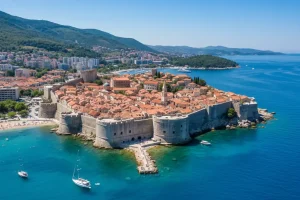
Costa Brava Spain’s Rugged Coastline
The Costa Brava, stretching from Blanes to the French border, remains one of Europe’s most visually arresting coastlines. In 2026, it has successfully transitioned into a premium destination for eco-tourism and cultural immersion, moving far beyond the "package holiday" era. Known as the "Rugged Coast," it is a labyrinth of pink-hued cliffs, botanical gardens, and medieval villages. This guide draws on real-time traveler feedback and maritime journals to navigate the region’s dual identity: the sophisticated culinary scene of Girona and the wild, windswept beauty of Cap de Creus. Whether you are trekking the Camí de Ronda or exploring Dalí’s surrealist legacy, the Costa Brava in June offers a perfect Mediterranean climate before the high-summer crowds arrive.
1. Lodging on the Wild Coast: Fishing Villages vs. Medieval Inlands (June 2026)
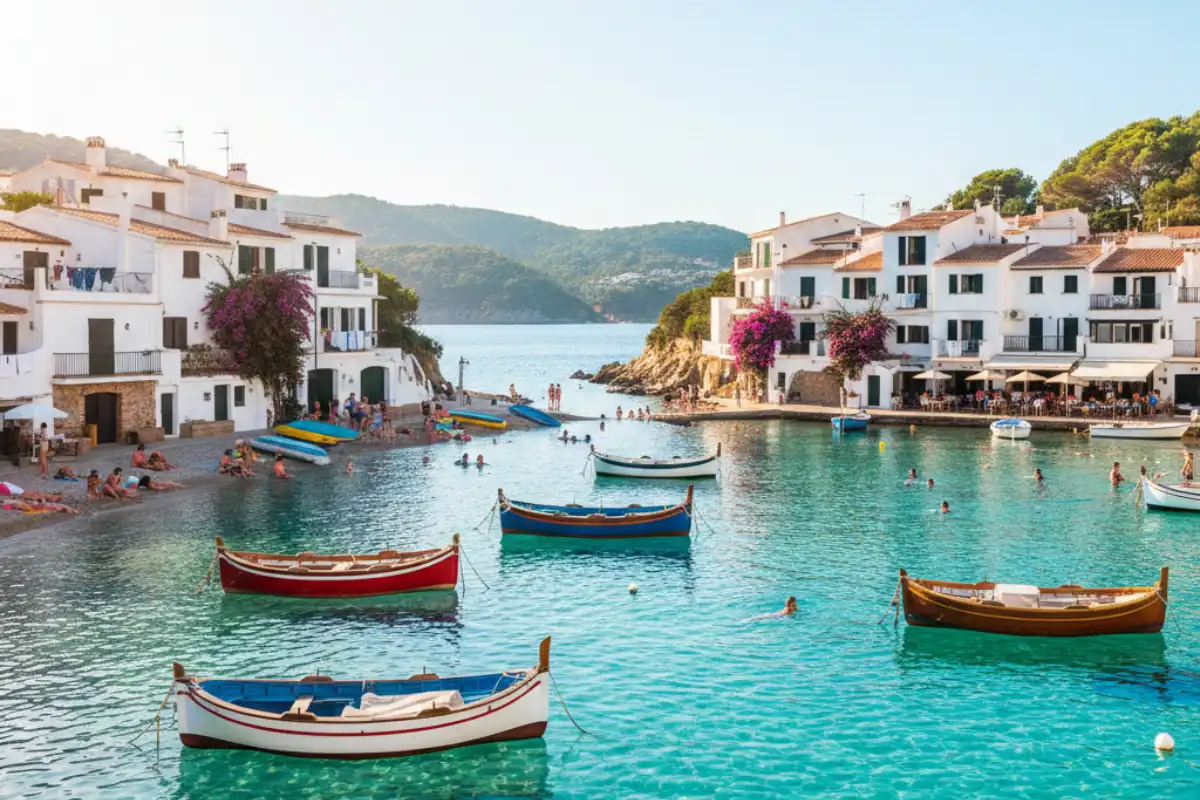
Choosing where to stay on the Costa Brava depends on your appetite for adventure. The northern section (Alt Empordà) is windier and more dramatic, while the central coast (Baix Empordà) offers the most picturesque white-washed villages. June 2026 rates show a slight increase in boutique “Slow Travel” hotels.
Lodging Prices by District (Average per night, June 2026) – All Prices in Euro (€)
| Area / Town | Description | Average Price (EUR/night) | Traveler Profile |
|---|---|---|---|
| **Cadaqués** | Dalí’s home. Remote, artistic, and breathtakingly beautiful. | **€160 – €350** (Boutique Inn / Villa) | Artists, couples, and those seeking a bohemian atmosphere. |
| **Calella de Palafrugell** | Classic Costa Brava. Turquoise coves and upscale seafood dining. | **€140 – €280** (Sea-view Hotel) | Families and travelers looking for “postcard” Spain. |
| **Begur / Pals** | Medieval hilltop towns with access to prestigious sandy calas. | **€110 – €220** (Converted Stone House) | **Ultimate Value Hack:** Best for exploring both history and hidden beaches. |
2. Gastronomy: Michelin Stars and Seaside Chiringuitos
The Costa Brava is a global culinary destination, home to some of the world’s best restaurants and incredible “Mar i Muntanya” (sea and mountain) cuisine. In 2026, the focus has shifted heavily toward hyper-local, regenerative agriculture.
Estimated Budget Food Costs (June 2026)
- **Breakfast (Pan con Tomate & Coffee):** €6 – €10 (A simple, essential Catalan start to the day).
- **Menu del Día (Mid-day):** €18 – €30 (The most cost-effective way to eat a high-quality 3-course meal).
- **Seafood Paella/Arroz Caldoso:** €25 – €45 per person (Always look for restaurants that specify “Palamós Prawns”).
- **Local Empordà Wine:** €15 – €30 per bottle (The region is famous for its Garnatxa and crisp whites).
- **Estimated Daily Budget for Food:** €55 – €100.
3. Activities: The Camí de Ronda and Surrealist Dreams
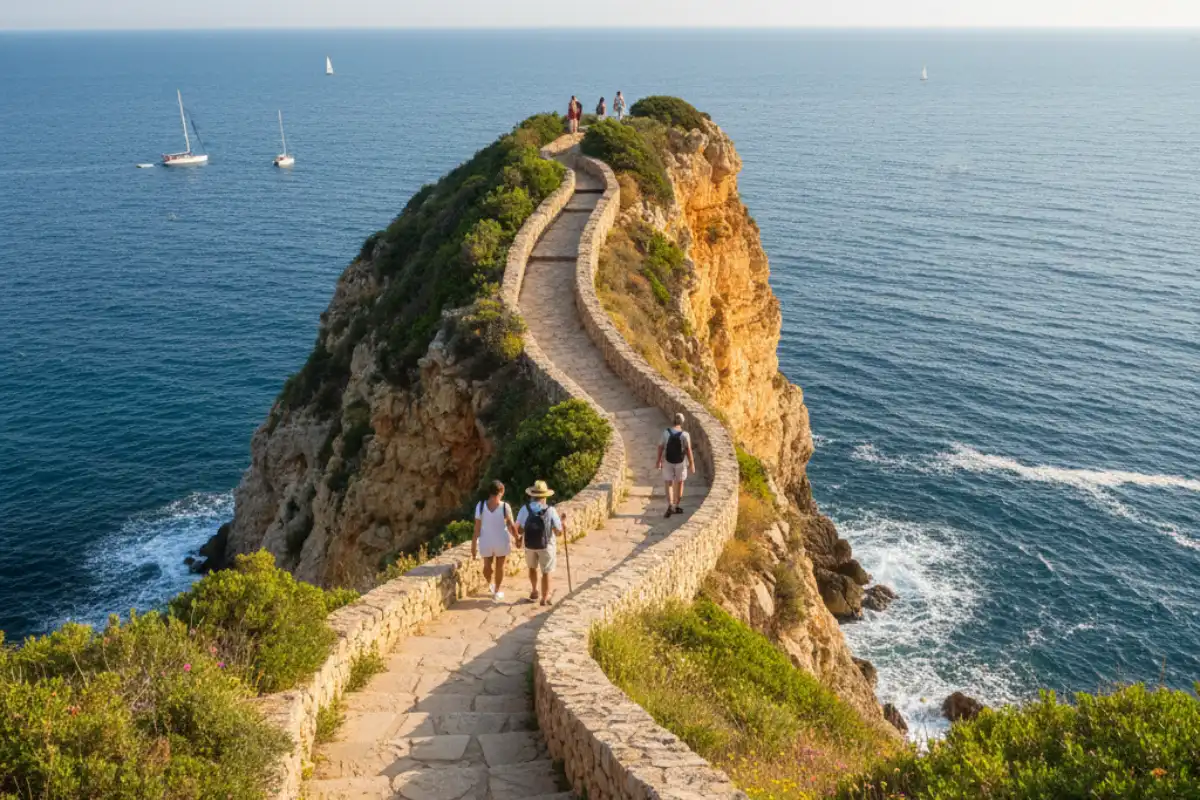
The beauty of the Costa Brava lies in its accessibility. Most of the best experiences like hiking the coastal paths are entirely free, while the cultural sites offer world-class value.
- **Salvador Dalí House-Museum (Portlligat):** **€15 – €18**. (Essential to book weeks in advance for 2026 tours).
- **Cap de Creus Natural Park:** **Free**. (The easternmost point of Spain, offering moon-like landscapes and wild swimming).
- **Sea Kayaking (Tamariu):** **€40 – €60**. (The best way to enter sea caves that are inaccessible by land).
- **Girona Old Town Walk:** **Free**. (Explore the Jewish Quarter and the “Game of Thrones” filming locations).
4. Getting Around: Navigating the Curves
While the Costa Brava is just an hour north of Barcelona, the terrain is rugged. In 2026, electric car rentals have become the preferred choice for eco-conscious travelers navigating the winding coastal roads.
Essential Transport for Tourists:
- **Car Rental:** **€45 – €85 per day**. (Necessary for reaching remote coves and medieval villages).
- **SARFA Bus:** **€15 – €25**. (Reliable connections from Barcelona and Girona to major coastal hubs like Cadaqués and Palafrugell).
- **Electric Bike Rental:** **€35 – €50 per day**. (An increasingly popular way to travel between the medieval villages of the “Golden Triangle”).
5. Safety and Local Etiquette (2026)
The Costa Brava is exceptionally safe. The main challenges for travelers are the intense sun and the northern “Tramuntana” wind, which can change conditions rapidly.
Key Risks for Tourists:
- **The Tramuntana Wind:** This fierce northern wind can blow for days. It clears the sky but makes the sea very rough. Check marine forecasts before renting boats.
- **Sun Exposure:** In June, the breeze can mask the heat. UV levels are high; high-SPF sunscreen is mandatory for hikers on the Camí de Ronda.
- **Sea Urchins:** In the rocky “calas,” sea urchins are common. Wear water shoes if you plan on exploring the rocky edges of the coves.
Be a respectful guest in Catalonia:
- **Language:** While everyone speaks Spanish, the local language is **Catalan**. Using basic phrases like “Bon dia” (Good day) or “Gràcies” (Thank you) will open many doors.
- **Beach Reservations:** In 2026, some of the smallest coves (like Cala Sa Tuna) require a free online reservation during peak weekends to prevent overcrowding.
- **Restaurant Scams:** Avoid restaurants with “Photo Menus” in the main squares. They are often overpriced and lack the authentic quality found in the side streets.
6. Insider Tips for an Authentic Costa Brava Experience
- **Sunrise at Sant Sebastià Lighthouse:** It offers the most spectacular panoramic view of the coastline and is a favorite spot for local photographers.
- **Dine in Pals:** This perfectly preserved medieval village is famous for its “Arròs de Pals” (local rice). Eat at a traditional farmhouse on the outskirts.
- **Swim at Platja de Castell:** One of the few remaining “wild” beaches without any buildings, thanks to a local vote in the 1990s to stop development.
- **The Dalí Triangle:** To truly understand the region, visit the Museum in Figueres, the House in Portlligat, and the Castle in Púbol.
7. Essential Costa Brava Travel FAQs (June 2026)
Is the Costa Brava too cold for swimming in June?
The water is refreshing, usually around 21°C to 23°C by mid-June. It is perfect for swimming, though some may find it brisk compared to the southern Spanish coast.
Can I visit the region without a car?
You can reach the major towns by bus, but to explore the famous “hidden coves” and medieval villages, a car is highly recommended. The most beautiful spots are often miles away from bus stops.
What is the “Camí de Ronda”?
It is a historic coastal path originally used by the Civil Guard to control smuggling. Today, it is a spectacular hiking trail that connects almost all the beaches and towns along the coast.
Is the Costa Brava expensive?
It offers a wide range. While there are world-class luxury resorts and Michelin-starred dining, there are also many family-run guesthouses and affordable local tavernas. It is generally more expensive than the Costa Blanca but offers higher cultural value.
Which town is the best for a first-time visitor?
**Calella de Palafrugell** is widely considered the most beautiful and representative town of the region’s traditional spirit.
Ready to discover the perfect intersection of wild nature and Catalan culture? The rugged beauty of the Costa Brava awaits your exploration this June!
Find Your Secluded Coastal Villa