Best Street Art Tours in Bogotá
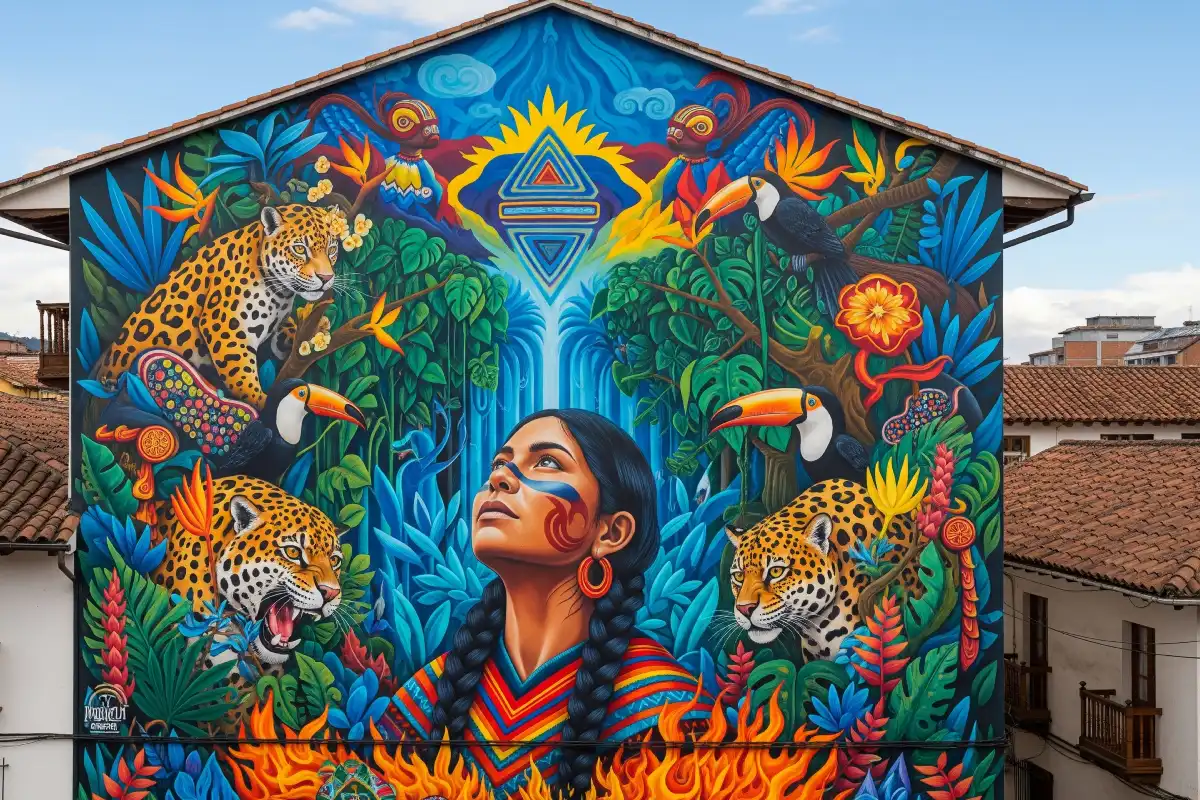
Bogotá has transformed into one of the world's leading capitals for street art. What was once an act of protest is now a celebrated form of expression, covering walls and buildings across the city. This 2025 guide highlights the best street art tours and provides essential advice on how to explore this vibrant scene, along with tips on budget, food, transport, and safety.
Uncovering Bogotá’s Urban Canvas
Bogotá’s graffiti and street art scene is a powerful narrative of its complex history and a reflection of its modern identity. Unlike other cities where it is often seen as vandalism, in Bogotá, it is legally regulated and celebrated. A street art tour is one of the best ways to understand the political, social, and cultural stories behind these incredible murals. This guide will help you choose the right tour and navigate the city safely and affordably.
The Best Street Art Tours
Several companies offer excellent street art tours, but a few stand out for their quality, local knowledge, and focus on the artists’ stories.
1. Bogotá Graffiti Tour (Free Walking Tour)
- Why it’s great: This is a classic for a reason. Operating on a “pay-what-you-feel” basis, this tour is run by local guides (often artists themselves) who provide deep insights into the history and meaning of the art.
- Cost: Free, but a generous tip of COP 30,000 – 50,000 ($7-12 USD) per person is expected and well deserved.
- Highlights: Covers the main murals in La Candelaria and downtown, offering a fantastic introduction to the scene.
2. Beyond Colombia Free Walking Tour
- Why it’s great: Known for its knowledgeable guides and historical context. Their tour often includes a wider range of topics, weaving the art into Bogotá’s broader story.
- Cost: Free (tip-based).
- Highlights: Focuses on the political and historical messages behind the art, covering a wide range of styles and artists.
1. The Cost of a Bed: Budget-Friendly Accommodation
Bogotá is a very affordable city for accommodation, with a wide array of hostels and guesthouses. The best area for tourists is generally considered to be La Candelaria, due to its historical significance and proximity to major sights.
Hostel & Budget Accommodation Prices by Area (Average per night for a dorm bed, August 2025)
| Area | Description | Average Price (USD/night) | Pros for Budget Travelers |
|---|---|---|---|
| La Candelaria | The historic heart of Bogotá, with colonial architecture and many museums. | $8 – $20 | Central, walkable to most attractions, and a concentration of street art. |
| Chapinero | A trendy and bohemian neighborhood north of the center. | $10 – $25 | Safer and more modern, great for nightlife and dining, but requires public transport to the historic center. |
| Teusaquillo | A quieter residential and artistic neighborhood. | $7 – $18 | Excellent value, less touristy, with good transport links to the rest of the city. |
Note: Prices are estimates for a dorm bed and are subject to significant fluctuation based on season and demand. Private rooms will be 2-3x more expensive.
Tips for Saving on Accommodation:
- Stay in a Hostel in La Candelaria: Many hostels here are beautiful old colonial houses with a lot of character and a great social scene.
- Look for Freebies: Many hostels include free breakfast, which can significantly reduce your food costs.
2. Eating on a Dime: Bogotá’s Budget Food Scene
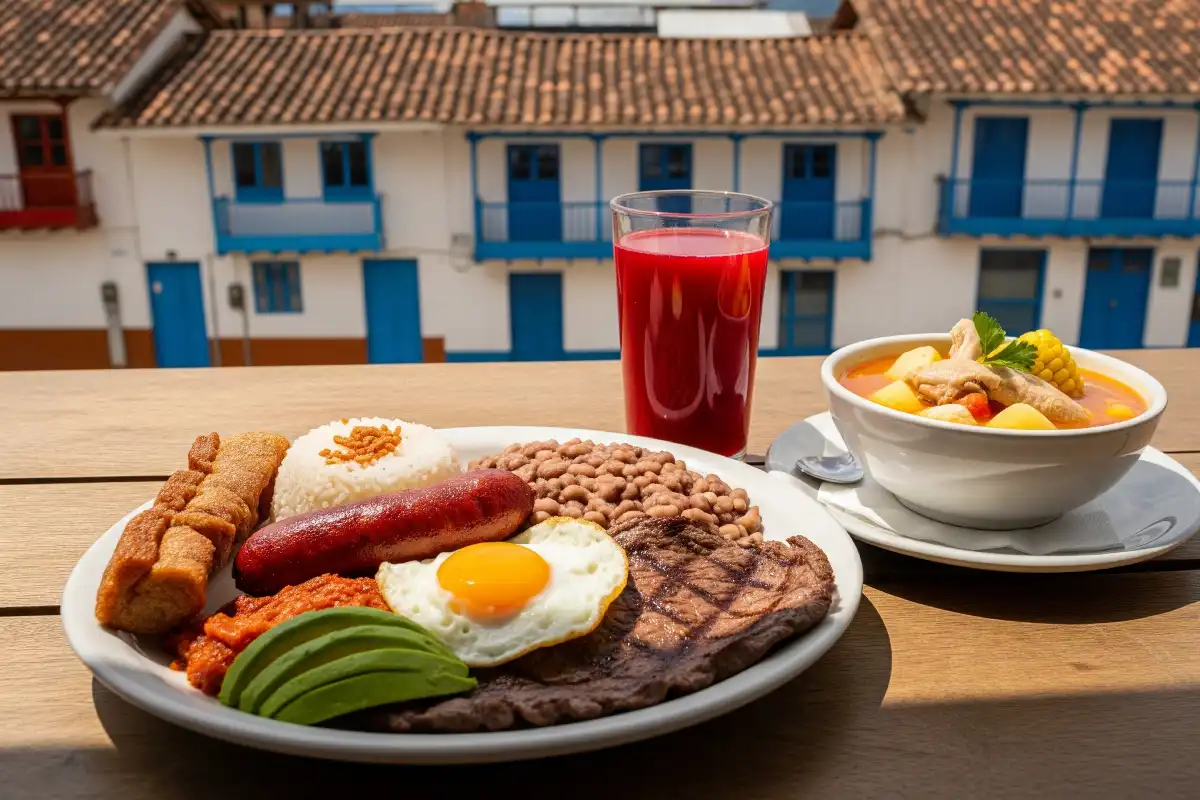
Colombian food is hearty, delicious, and incredibly affordable. You can eat like a king for a very small amount of money by choosing local eateries and street food.
Estimated Budget Food Costs (August 2025):
- Breakfast: COP 5,000 – COP 10,000 ($1.20 – $2.40 USD) for an “arepa” or a pastry and coffee.
- Lunch: COP 15,000 – COP 25,000 ($3.60 – $6 USD) for a “menú del día.”
- Dinner: COP 20,000 – COP 35,000 ($4.80 – $8.50 USD) at a local restaurant.
- Daily Budget for Food: COP 40,000 – COP 70,000 ($9.50 – $17 USD) if you stick to local spots and street food.
Budget Eating Tips:
- Try a “Menú del Día”: This is a fixed-price lunch menu offered by most restaurants. It typically includes a soup, a main course (meat/chicken with rice and a salad), and a drink. It’s the best value meal you can find.
- Eat Street Food: Don’t be afraid to try street food from popular stalls. “Arepas,” “empanadas,” and “patacones” are all delicious and very cheap.
- Visit a Local “Panadería”: Bakeries are everywhere and offer a variety of cheap, fresh bread and pastries.
3. Getting Around: The Cost of Public Transit
Bogotá’s public transport system, TransMilenio, is a Bus Rapid Transit (BRT) system. It can be a bit chaotic but is a very affordable way to get around the city. Taxis and ride-hailing apps are also widely available and cheap.
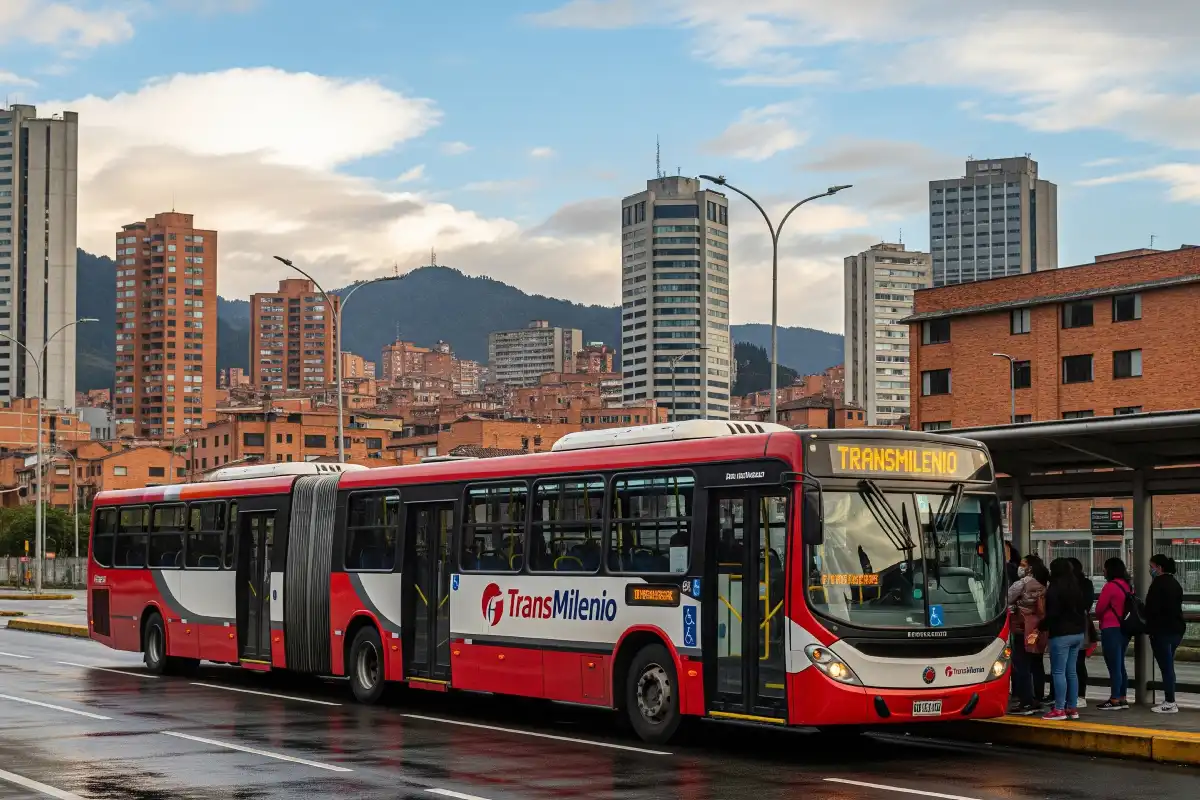
Fares (As of August 2025, subject to minor changes):
- TransMilenio Card: You need to buy a rechargeable TuLlave card for around COP 5,000 ($1.20 USD).
- TransMilenio Fare: A single trip costs around COP 2,950 ($0.70 USD) during peak hours.
- Uber/Didi: Ride-hailing apps are very common and affordable, especially for short distances or at night. A typical trip within the central areas will cost between COP 10,000 – COP 20,000 ($2.40 – $4.80 USD).
Tips for Transportation:
- Use TransMilenio for Long Distances: While crowded, it’s faster and more efficient than a taxi during rush hour.
- Use Ride-Hailing Apps for Safety: For convenience and safety, especially at night or when in a new neighborhood, use Uber or Didi. This avoids the risk of unlicensed taxis.
- Walk in La Candelaria: The historic center is best explored on foot. All the main sights and street art are within walking distance of each other.
4. Staying Safe: Dangers, Scams, and Avoiding Trouble
Bogotá has a reputation for being unsafe, but with common-sense precautions, a trip can be very safe. The main concerns for tourists are petty crime and a few specific scams. The key is to be aware of your surroundings and avoid looking like an easy target.
Common Dangers & Scams:
- Petty Theft & Pickpocketing: This is the most common crime. Be extremely vigilant in crowded areas like TransMilenio stations, tourist sites, and markets. Keep your phone and wallet secure in a front pocket or a cross-body bag.
- “Express Kidnapping”: While not common in tourist areas, this is a serious risk in certain parts of the city. The scam involves an unlicensed taxi driver taking a passenger to multiple ATMs to withdraw money. Only use ride-hailing apps like Uber or Didi.
- Street Scams: Be wary of anyone who approaches you on the street with a “too-good-to-be-true” offer or who tries to distract you.
Areas to Be Cautious Of:
- Outside Tourist Areas at Night: While La Candelaria is generally safe during the day, it’s best to take an Uber or taxi at night, even for short distances. Avoid walking in deserted areas.
- Southern Bogotá (after dark): Areas further south of the city center are generally not recommended for tourists, especially after dark. Stick to the well-known tourist and upscale neighborhoods.
General Safety Advice:
- Don’t Display Valuables: Avoid wearing expensive jewelry or watches. Don’t use your phone on the street, especially in crowded areas.
- Be “Smart” with Cash: Only carry the amount of cash you need for the day and keep it in a secure place.
- Trust Your Gut: If a situation feels off, remove yourself from it.
- Emergency Numbers: Police 123, Ambulance 123.
5. Ensuring a Positive & Unforgettable Bogotá Trip
A positive attitude and a willingness to explore will make your trip to Bogotá truly memorable.
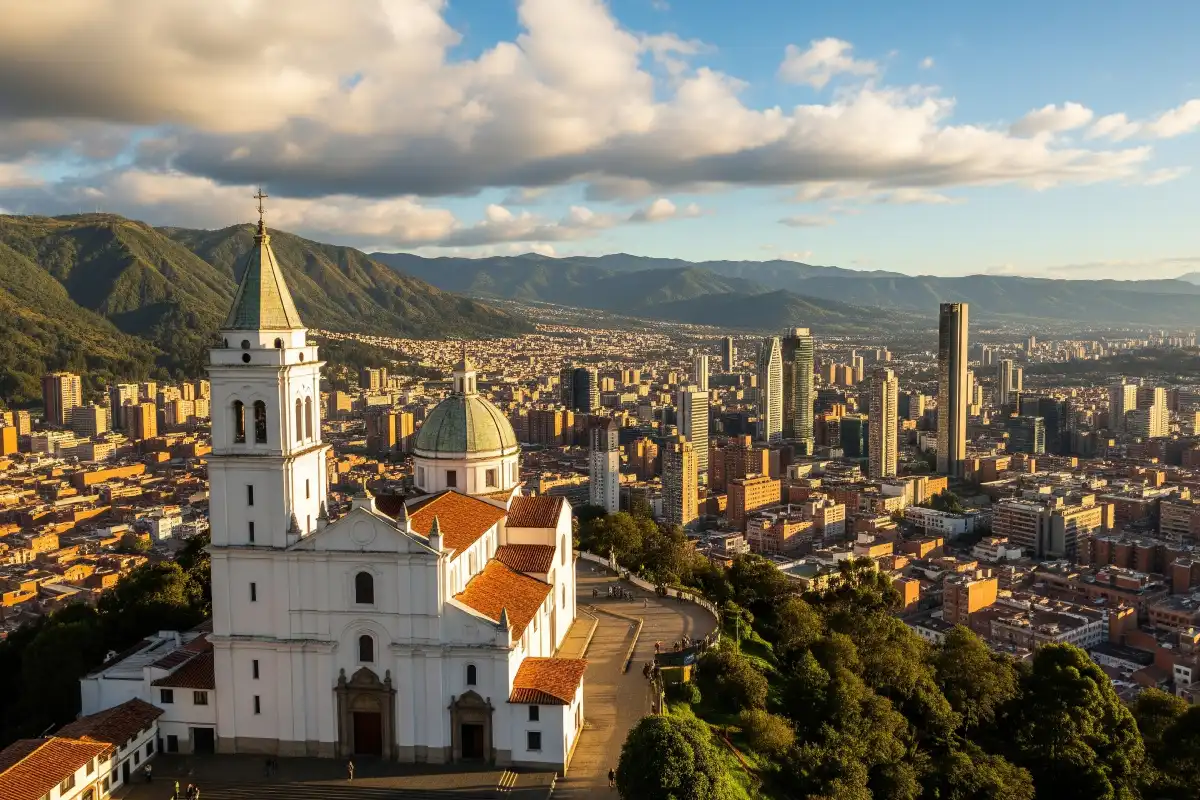
- Hike Monserrate: For a breathtaking view of the city, take the funicular or cable car up to the Monserrate sanctuary. It’s a must-do and the views are incredible.
- Embrace the Coffee Culture: Colombia is famous for its coffee. Find a local cafe and enjoy a fresh cup of “tinto” (black coffee).
- Learn a Few Spanish Phrases: While many people in the tourist areas speak English, knowing a few basic Spanish phrases like “hola” and “gracias” will go a long way.
- Visit the Gold Museum (Museo del Oro): This museum houses an incredible collection of pre-Hispanic gold artifacts and is a fascinating look into the country’s history.
- Be Patient and Friendly: Bogotá can be overwhelming, but its people are known for being warm and welcoming. A little patience and a smile can open up some amazing experiences.
6. Bogotá Travel FAQs (August 2025)
Is Bogotá safe for solo travelers?
Yes, Bogotá is generally safe for solo travelers, but a high level of awareness is required. Stick to main tourist areas, use reputable transport, and avoid walking alone at night.
What is the currency in Bogotá?
The currency is the Colombian Peso (COP). It’s a good idea to carry some cash for street food and small purchases, as not all vendors accept cards.
What is the weather like in Bogotá?
Bogotá is known as the “city of eternal spring.” The weather is generally mild, but it can be cool and rainy, especially in the afternoons. Pack layers and a raincoat.
Is it easy to get around using public transport?
The TransMilenio system is efficient for long distances but can be very crowded during peak hours. For shorter trips, especially at night, ride-hailing apps are the most convenient and safest option.
What is the local etiquette for tipping?
Tipping is not mandatory but is greatly appreciated. In restaurants, a service charge of around 10% is often included on the bill. For tours, a tip is expected, especially for “free” tours.
Your Bogotá Street Art Adventure Awaits!
Bogotá’s street art is a window into the soul of the city. With these tips on hand, you are ready to explore its vibrant murals, enjoy its delicious food, and have a safe and unforgettable trip. Enjoy your journey to this cultural capital!
Start Planning Your Bogotá Trip