Winter travel safety checklist
Winter travel, while beautiful, introduces unique risks ranging from unexpected road closures and flight delays to personal safety hazards like hypothermia and falls on ice. A successful cold-weather journey requires proactive safety planning. This checklist covers three critical areas: **personal gear, transportation security, and emergency preparedness**, ensuring you can handle the unpredictable challenges the season throws your way.
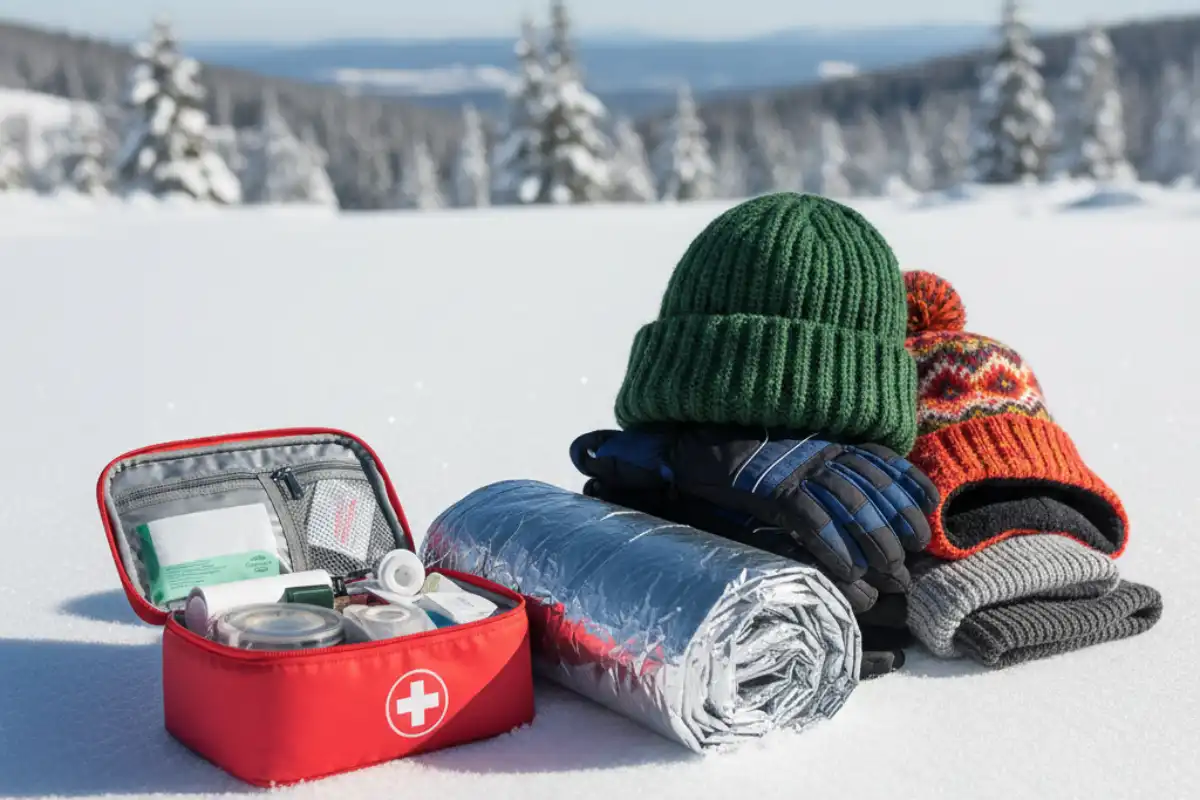
Personal Safety and Gear Essentials
Your personal gear is your first line of defense against the cold and elements.
1. The Layering System
The best way to regulate body temperature and avoid hypothermia is by dressing in layers.
- **Base Layer:** Moisture-wicking material (wool or synthetic) to pull sweat away from the skin. Avoid cotton.
- **Mid-Layer:** Insulation (fleece or down) to retain body heat.
- **Outer Layer:** Waterproof and windproof shell to protect against rain, snow, and wind chill.
- **Expert Advice:** “Always carry an extra mid-layer, even if you don’t think you’ll need it. If you get wet or stop moving (e.g., waiting for transport), your body temperature can drop fast. That emergency layer could be a lifesaver.” (Source: Mountain Rescue Training Manual)
2. Footwear and Traction
- **Waterproof Boots:** Essential for keeping feet dry and preventing blisters/frostbite.
- **Traction Aids:** Carry small, coil-based **ice cleats** or **traction spikes** that slip over your boots. Icy sidewalks and steps are common causes of serious injury in winter destinations.
3. Health Preparedness
- **Sun Protection:** Snow reflects up to 80% of UV rays. Pack high SPF sunscreen and good quality, UV-protective sunglasses/goggles to prevent snow blindness.
- **Hydration/Nutrition:** Carry high-calorie, non-freezing snacks (nuts, energy bars) and an insulated water bottle to maintain energy and hydration, which is often neglected in cold weather.
Transportation Safety and Communication 🚗📞
Whether flying or driving, winter logistics demand extra vigilance.
1. Driving in Cold Climates
- **Vehicle Check:** Ensure your antifreeze and windshield washer fluid are topped up (rated for cold temperatures), tires have good tread, and the battery is healthy.
- **Emergency Road Kit:** Pack blankets, a bag of sand or cat litter (for tire traction), a shovel, jumper cables, flares, and a small first-aid kit.
- **Route Monitoring:** Check road and weather conditions immediately before leaving and during transit. Always tell someone your specific route and estimated arrival time.
2. Flight/Train Delays
Winter travel often involves significant delays due to weather or de-icing procedures.
- **Insurance:** Purchase comprehensive travel insurance that covers emergency medical treatment and specifically includes compensation for **trip delays and cancellations** due to weather.
- **Connectivity:** Always carry a fully charged **power bank** for your phone to ensure you can rebook flights or contact accommodation during unexpected long waits.
Emergency Protocols
1. Know the Signs of Hypothermia and Frostbite
- **Hypothermia (core body temperature drop):** Shivering, confusion, slurred speech. Get the victim to a warm place, remove wet clothing, and provide warm, non-alcoholic drinks.
- **Frostbite (freezing of tissue):** Numbness, waxy or hard skin, often on fingers, toes, nose, or ears. Seek immediate medical attention. Do not rub the affected area.
2. Local Emergency Contacts
Prior to arrival, save the local emergency number (e.g., 911 in the US/Canada, 112 in Europe, 999 in the UK) to your phone. Also, note the number for the nearest consulate or embassy if traveling internationally.
Frequently Asked Questions About Winter Travel Safety
Why should I avoid wearing cotton layers in cold weather?
Cotton absorbs moisture (sweat) and holds it against your skin. Once wet, cotton loses all its insulating properties and will quickly draw heat away from your body, greatly increasing your risk of chilling and hypothermia a phenomenon known as “cotton kills.”
What’s the safest way to drive on black ice?
If you hit black ice, the critical rule is to **do nothing sudden**. Do not slam the brakes or jerk the steering wheel. Take your foot off the accelerator, keep the wheel straight, and allow the vehicle to coast until it regains traction. If you must steer, make small, gentle adjustments.
Do I need special insurance for winter sports like skiing or snowboarding?
Yes. Standard travel insurance often excludes coverage for high-risk activities like skiing or snowboarding (especially off-piste). You must purchase an add-on or specialty policy that explicitly covers **winter sports** and emergency medical evacuation from the mountain.
Should I use hand warmers on my bare skin?
No. Chemical hand warmers can reach temperatures that cause burns, especially when compressed or used directly against skin that may already be slightly numb from the cold. Always place them in your gloves, boots, or pocket **over** a layer of clothing.
What if I get stranded in my car during a snowstorm?
Stay in your vehicle. Run the engine for only 10 minutes every hour to stay warm, and crack a window slightly for ventilation to prevent carbon monoxide poisoning. Make sure the exhaust pipe is clear of snow. Use a bright piece of cloth tied to the antenna as a distress signal.
Conclusion: Be Prepared, Not Scared 🛡️
Winter travel safety is fundamentally about anticipating risk and preparing for the worst-case scenario. By systematically equipping yourself with the right clothing, ensuring your transportation is ready for the conditions, and understanding basic cold-weather first aid, you mitigate the majority of potential threats. Follow this checklist, and you’ll find that the rewards of a beautiful, safe winter trip far outweigh the challenges of the cold.