Corsica Wild Beauty and Secluded Bays
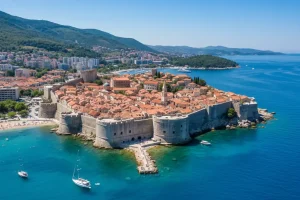
Corsica, aptly named "L'Île de Beauté," remains one of the Mediterranean’s last truly wild frontiers. In July 2026, the island continues to resist the pressures of mass tourism, preserving its rugged granite mountains and ivory-sand coves. Unlike its glitzy neighbors, Corsica offers a raw, authentic experience where the scent of the maquis (shrubland) meets the salt of the Tyrrhenian Sea. This guide, compiled from the firsthand accounts of intrepid hikers and luxury yacht travelers alike, explores the dual nature of Corsica: a place of fierce mountain independence and ethereal coastal serenity. We dive into the logistics of reaching its most secluded bays and navigating its high-altitude retreats in the peak of summer.
1. Corsican Sanctuaries: Coastal Villas and Mountain Auberges (July 2026)
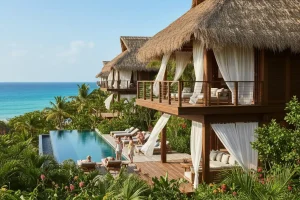
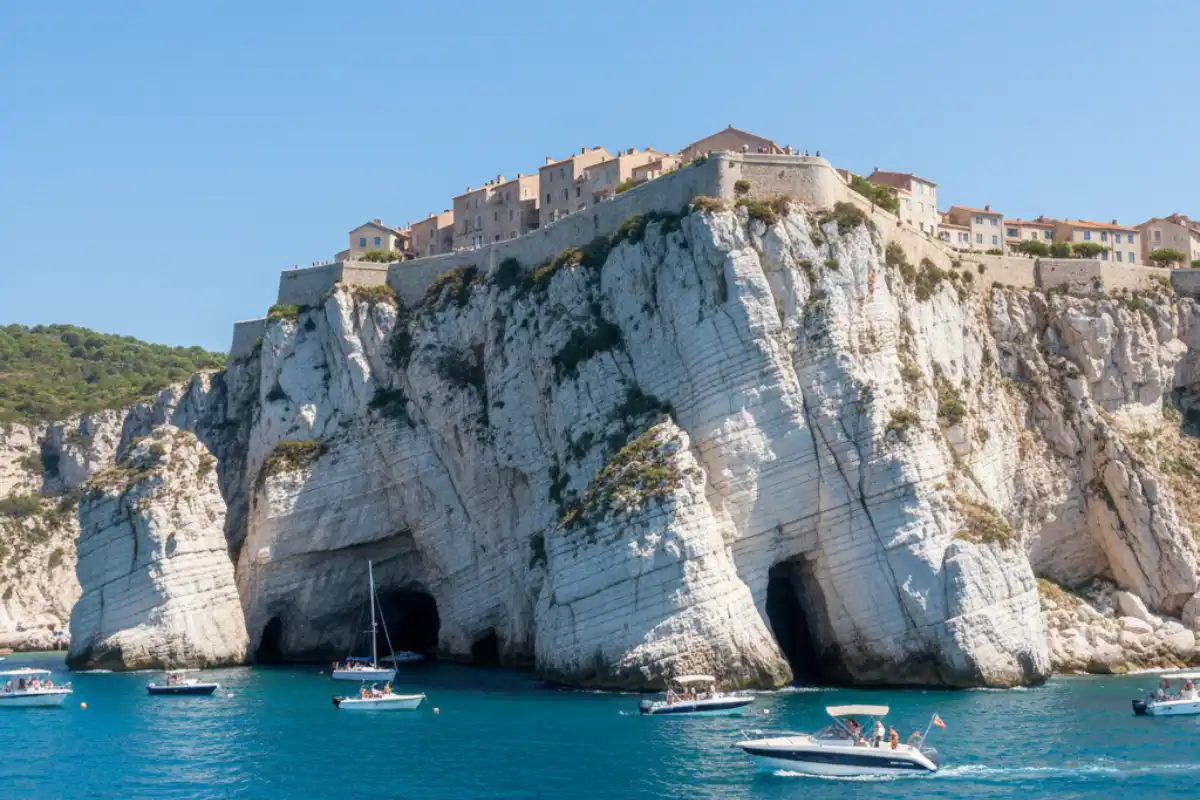
Accommodations in Corsica in 2026 reflect the island’s spirit: understated, high-quality, and deeply integrated into the landscape. From the luxury waterfront properties in Porto-Vecchio to the stone-built guesthouses in the Restonica Valley, the focus is on privacy and views. July is the busiest month, with a high concentration of French and Italian visitors.
Estimated Lodging Prices by Setting (Average per night, July 2026) – Prices in Euro (€)
| Region | Stay Type | Average Price (EUR/night) | Traveler Vibe |
|---|---|---|---|
| **Porto-Vecchio / Bonifacio** | Luxury beachfront villas and 5-star spa resorts. | **€550 – €1,800** | Jet-setters and beach purists. |
| **Calvi / Saint-Florent** | Boutique hotels near chic marinas. | **€300 – €600** | Culture seekers and sailing enthusiasts. |
| **Corte / Central Mountains** | Traditional ‘Auberges’ and eco-lodges. | **€140 – €280** | **Wilderness Hack:** Hikers and nature lovers. |
2. Gastronomy: Chestnuts, Charcuterie, and Wild Herbs
The Corsican palate is distinct from mainland France. The island’s cuisine is heavily influenced by its forests think wild boar, chestnut flour bread, and sharp ewe’s milk cheeses like Brocciu. In 2026, the farm-to-table movement is the standard across the island.
Estimated Daily Food Costs (July 2026)
- **Traditional Charcuterie Platter:** €18 – €28 (Featuring local Prisutu and Figatellu).
- **Fresh Sea Bream (Daurade) Dinner:** €35 – €55 (Caught daily and grilled with local herbs).
- **Corsican Craft Beer (Pietra):** €7 – €10 (Brewed with chestnut flour).
- **Artisanal Gelato in Ajaccio:** €5 – €9 (Try the myrtle or honey flavors).
- **Estimated Daily Budget for Food:** €75 – €150.
3. The Wild Escape: Granite Peaks and Desert Beaches
Corsica’s geography is a paradox a “mountain in the sea.” In 2026, the Agriates Desert and the Scandola Nature Reserve remain the highlights for those seeking solitude. Access to many of these spots is restricted to boat or foot to preserve their integrity.
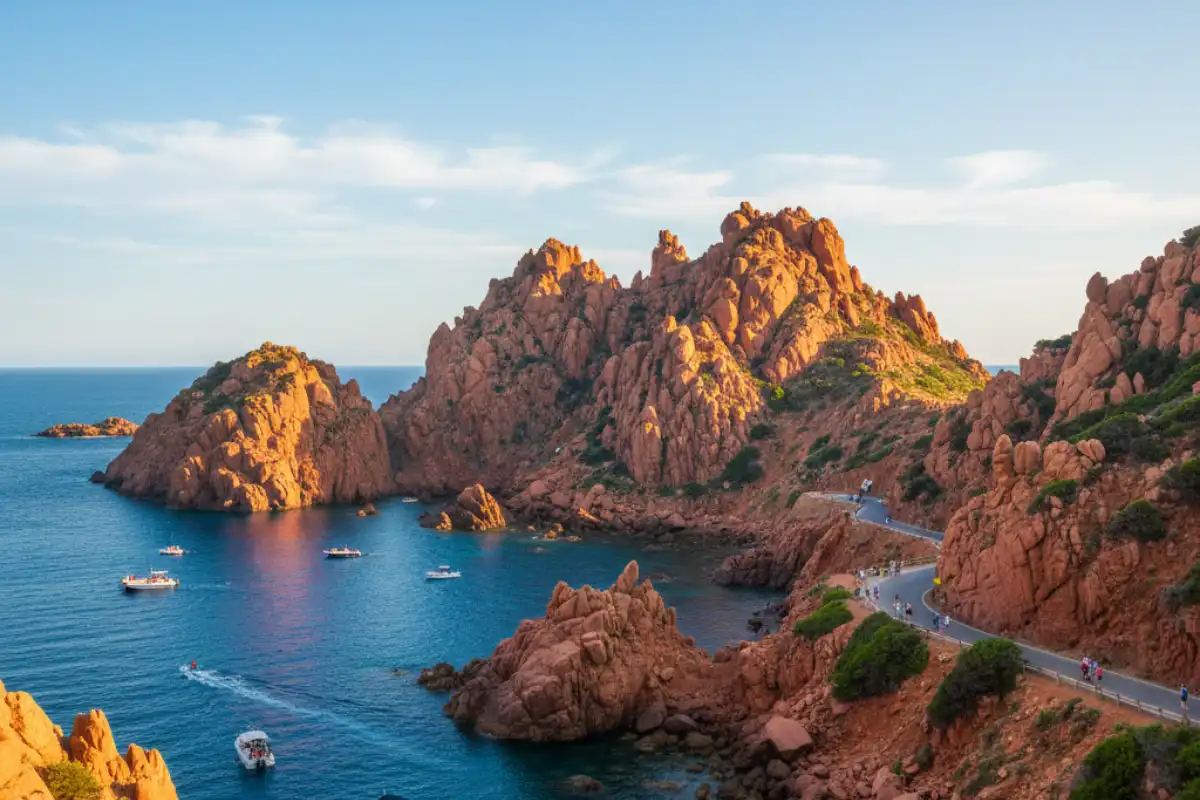
- **Scandola Nature Reserve Boat Tour:** **€60 – €110**. (Only accessible by sea; look for ospreys and dolphins).
- **Ferry to Saleccia Beach:** **€30 – €45**. (One of the most beautiful white-sand beaches in the Agriates Desert).
- **Guided Canyoning in Bavella:** **€55 – €85**. (Corsica is a world-class destination for mountain water sports).
- **Napoleon’s Birthplace (Maison Bonaparte):** **€7**. (A touch of history in the heart of Ajaccio).
4. Navigating the Isle: Tight Bends and Scenic Rail
Driving in Corsica is an adventure in itself. The roads are famous for their “10,000 bends,” and in July 2026, patience is required as motorhomes and local livestock often share the narrow tarmac.
Essential Transport for Tourists:
- **Small Car Rental (Manual/EV):** **€65 – €110 per day**. (A small car is essential for the narrow cliffside roads).
- **U Trinighellu (The Little Train):** **€10 – €30**. (The scenic railway connecting Bastia, Ajaccio, and Calvi; highly recommended for the views).
- **Scooter Rental (125cc):** **€45 – €70 per day**. (Ideal for reaching the crowded beaches near Porto-Vecchio).
5. Safety and Island Etiquette (July 2026)
Corsicans are fiercely proud of their land. Respecting the environment and local customs is the fastest way to earn the legendary Corsican hospitality.
Key Considerations for Travelers:
- **Fire Risk:** In July, the island is extremely dry. Smoking or lighting fires in or near the maquis is strictly forbidden and carries heavy penalties.
- **Hiking Preparedness:** Even for “coastal” hikes like the Customs Officer’s Path, wear sturdy shoes. The terrain is rocky and the sun is punishing.
- **Wild Pigs and Cows:** You will encounter them on the roads and even some beaches. Do not feed or approach them; they are semi-wild and can be unpredictable.
Be a mindful visitor with these 2026 insights:
- **Beach Parking:** At popular spots like Palombaggia, parking in July is managed by private lots charging €10–€20. Arrive before 9 AM to secure a spot.
- **The “Corsican Hello”:** A simple “Bonjour” (or “Bonghjornu” in Corsican) is expected when entering any shop or restaurant.
- **Water Usage:** In July 2026, water conservation is a priority. Be mindful of usage in rental properties.
6. Insider Tips for the Ultimate Corsican Escape
- **Sunset at the Sanguinaires:** Head to the tip of Ajaccio’s bay at sunset when the “Bloody Islands” turn a deep, fiery red.
- **The Pools of the Restonica:** For a break from the salt, hike into the Restonica Valley and swim in the ice-cold, crystal-clear mountain river pools.
- **Shop for Coral Jewelry:** Bonifacio is famous for its hand-carved red coral. Ensure you buy from a certified artisan to guarantee authenticity.
- **Visit Nonza:** This village on Cap Corse features a unique black pebble beach—the contrast with the turquoise water is a photographer’s dream.
7. Corsica Wild Beauty: Frequently Asked Questions
Is July too hot for the GR20 hike?
It is very challenging. Temperatures in the mountains can be intense, and thunderstorms are frequent in the afternoons. Most experts recommend starting each stage at dawn to finish before the midday heat.
Which is better: North or South Corsica?
The **South** (Porto-Vecchio, Bonifacio) has the most famous white sand beaches. The **North** (Cap Corse, Calvi) is more rugged, mountainous, and feels more authentically “wild.”
Do I need to speak French?
In hotels and restaurants, English is common. However, the island is less “internationalized” than the French Riviera. Learning a few basic phrases will greatly enhance your rapport with locals.
Are the beaches public?
Yes, all beaches in France are public. While there are private beach clubs with loungers, you always have the right to set up your own towel on the sand.
What is the best way to get to Corsica?
Flying into one of the four airports (Bastia, Ajaccio, Calvi, Figari) is fastest. For a classic experience, take the overnight ferry from Marseille or Nice; the arrival into Bonifacio by boat is one of the world’s great travel experiences.
Ready to trade the crowds for the scent of the wild maquis and the most secluded bays in Europe? Corsica’s timeless beauty is waiting for your footprint.
Plan Your 2026 Corsican Retreat