Sicily Culture and Coastal Escapes
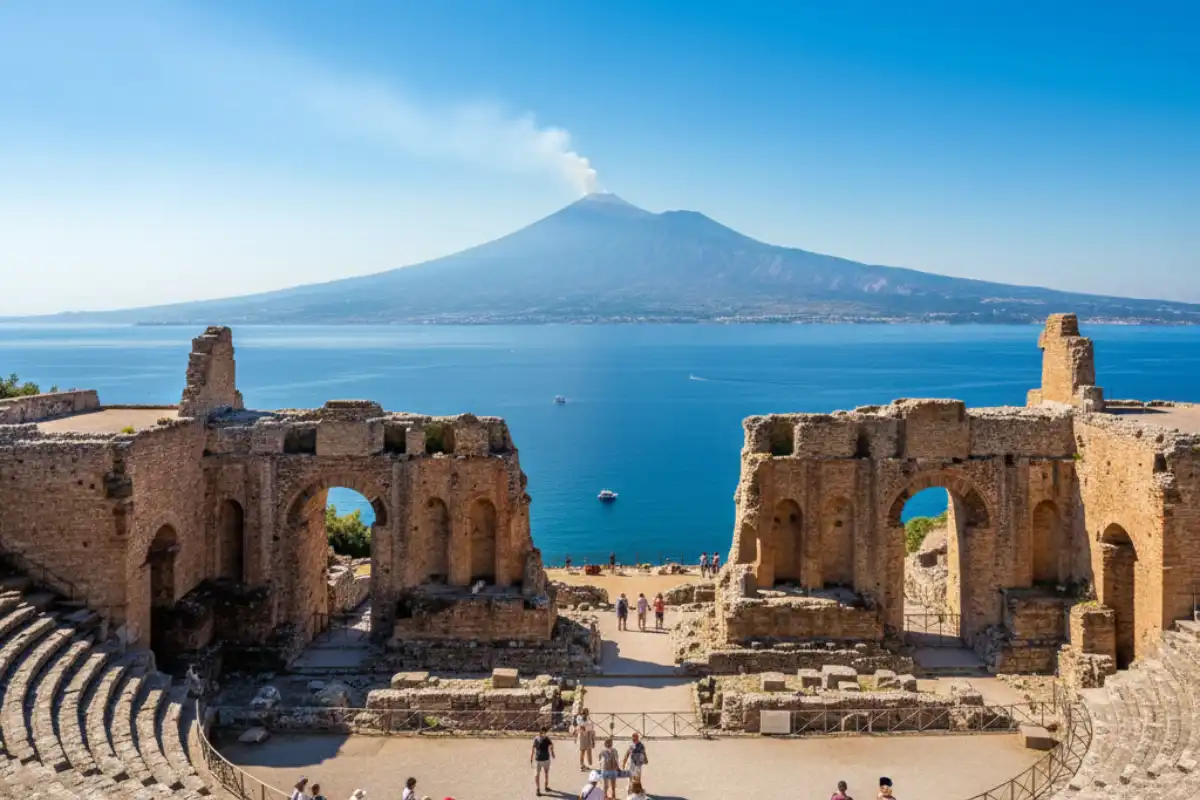
Sicily, the Mediterranean’s largest island, is a world unto itself. In July 2026, it remains a land of fierce sun, volcanic soil, and a cultural layer cake left behind by Greeks, Romans, Arabs, and Normans. Beyond the cinematic charm of Taormina, travelers are rediscovering the rugged beauty of the Aegadian Islands and the baroque splendor of the Noto Valley. This guide, synthesized from the latest insights on travel forums and Mediterranean lifestyle journals, explores how to navigate Sicily’s complex beauty from the sizzling street food of Palermo to the crystalline coves of San Vito Lo Capo ensuring a journey that satisfies both the soul and the senses.
1. Sicilian Stays: Baroque Palazzos and Coastal Villas (July 2026)
Sicily offers a vast range of lodging, but in 2026, the trend is “Heritage Immersion.” Travelers are increasingly opting for renovated *bagli* (traditional fortified estates) in the countryside or boutique hotels housed in 18th-century palazzos. July is hot and busy, so air conditioning and proximity to the sea are non-negotiable luxuries.
Estimated Lodging Prices by Region (Average per night, July 2026) – Prices in Euro (€)
| Location | Description | Average Price (EUR/night) | Traveler Profile |
|---|---|---|---|
| **Taormina / Mazzarò** | High-end glamour, luxury shops, and iconic cliffside views. | **€400 – €950** | Honeymooners and luxury seekers. |
| **Noto / Ortigia (Syracuse)** | Baroque architecture and refined urban coastal living. | **€250 – €500** | Culture enthusiasts and history buffs. |
| **Cefalù / Castellammare** | Classic sandy beaches with medieval town backdrops. | **€150 – €300** | **Value Hack:** Families and beach-focused travelers. |
2. Gastronomy: Granita, Arancini, and Etna Wines
Sicily is often called “God’s Kitchen.” In 2026, the culinary focus has returned to “Ancient Grains” and volcanic viticulture. From the bustling Vucciria market in Palermo to the Michelin starred tables of Ragusa Ibla, the food is a primary reason for the escape.
Estimated Food & Drink Expenses (July 2026)
- **Breakfast (Brioche with Almond Granita):** €6 – €10 (The only way to start a Sicilian summer morning).
- **Palermo Street Food Lunch:** €12 – €20 (Panelle, Arancini, and Sfincione).
- **Seafood Dinner in a Coastal Trattoria:** €40 – €70 (Featuring Pasta alla Norma or fresh swordfish).
- **Bottle of Etna Rosso at a Wine Bar:** €25 – €45 (Wines grown in volcanic ash are the trend of 2026).
- **Estimated Daily Budget for Food:** €55 – €110.
3. Coastal & Cultural Escapes: Temples and Turquoise Bays
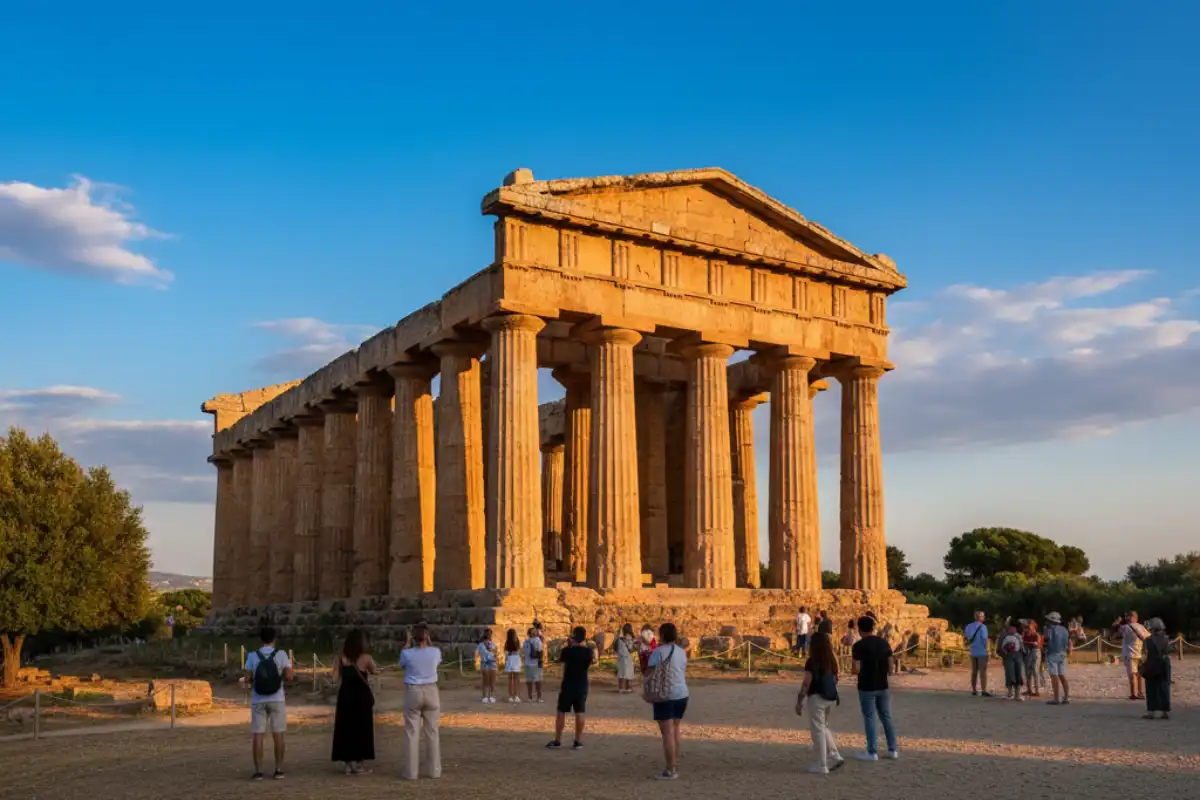
Sicily’s geography allows you to walk through 2,500-year-old Greek temples in the morning and dive into a cobalt-blue sea by afternoon. The Valley of the Temples remains a cornerstone of the experience.
- **Mount Etna Guided Trek:** **€70 – €120**. (Includes 4×4 transport to the upper craters; essential even in summer).
- **Valley of the Temples (Agrigento):** **€12 – €15**. (Go at sunset to see the temples illuminated).
- **Zingaro Nature Reserve Entry:** **€5**. (A stunning coastal hike with access to several secluded pebble beaches).
- **Private Boat Tour of Ortigia:** **€40 – €70**. (See the sea caves and the freshwater spring of Arethusa from the water).
4. Navigating the Island: The 2026 Infrastructure Shift
While Sicily is famous for its “relaxed” driving style, 2026 has seen improvements in the train network connecting Palermo and Catania. However, the most beautiful coastal escapes still require four wheels.
Essential Transport for Tourists:
- **Car Rental:** **€50 – €90 per day**. (Essential for the south and west coasts. Opt for a small car to navigate narrow village streets).
- **Trenitalia (Palermo-Catania Express):** **€15 – €25**. (A reliable option for city hopping).
- **Hydrofoil to Favignana:** **€25 – €40**. (The fastest way to reach the pristine beaches of the Aegadian Islands).
- **Local Ape Calessino (Tuk-Tuk):** **€15 – €30**. (A fun, breezy way to see the sights of Ortigia or Ragusa).
5. Safety and Island Etiquette (July 2026)
Sicily is a safe and hospitable destination, but the July heat and specific local customs are important to keep in mind.
Key Considerations for Travelers:
- **The Siesta (Controra):** Between 1:30 PM and 4:30 PM, many shops and sites close. Do not plan major activities during this time; it is meant for resting and avoiding the peak heat.
- **Hydration & Heat:** July temperatures often exceed 35°C (95°F). Drink plenty of water and wear a hat when visiting unshaded archeological sites.
- **Driving Awareness:** Sicilian drivers are assertive. Expect the unexpected, use your horn sparingly but effectively, and always park in “Blue Line” zones (paid) to avoid towing.
Navigate like a seasoned traveler:
- **The “Mafia” Myth:** Do not make jokes about the Mafia to locals. It is a sensitive part of their history that they prefer not to treat as a tourist novelty.
- **Cover Up in Churches:** Even in the July heat, you must cover your shoulders and knees to enter cathedrals like Monreale or Syracuse’s Duomo.
- **Table Manners:** In smaller towns, “Pane e Coperto” (bread and cover charge) is standard on your bill, usually €2–€3 per person.
6. Insider Tips for an Authentic Sicilian Escape
- **The Staircase of the Turks (Scala dei Turchi):** Visit early in the morning or late evening. The white marl cliffs are dazzling but get extremely crowded by midday.
- **Eat Cannoli Only When Filled:** Never buy a pre-filled cannolo. A real Sicilian pastry shop fills the shell only after you order it to keep it crunchy.
- **Visit the Puppet Theatres:** The “Opera dei Pupi” in Syracuse or Palermo is a fascinating, UNESCO-recognized tradition that is fun for all ages.
- **Night Markets:** In Palermo, the markets stay vibrant late into the evening. Head to the Mercato del Capo for the best atmosphere.
7. Sicily Culture & Coastal Escapes: Frequently Asked Questions
Is Sicily too hot in July?
It is very hot, but the coastal breeze makes it enjoyable. Plan your sightseeing for early morning or late evening, and spend the afternoons by the water or in air-conditioned museums.
Which side of Sicily is better: East or West?
The East (Taormina, Etna, Syracuse) is more “glamorous” and classical. The West (Palermo, San Vito Lo Capo, Trapani) is more “rugged,” Arab-influenced, and has better sandy beaches.
Can I climb Mount Etna?
Yes, but you can only go so far on your own. To reach the summit craters, you must be accompanied by a certified alpine or volcanological guide for safety reasons.
Is Sicily expensive compared to mainland Italy?
Generally, Sicily is more affordable than Northern Italy or Rome. However, Taormina is an exception and can be quite pricey during the July peak season.
What should I buy as a souvenir?
Look for “Moor’s Head” (Testa di Moro) ceramics, hand-painted Sicilian carts in miniature, or a jar of pistachio pesto from Bronte.
Ready to get lost in the ancient echoes and sun-drenched shores of the Mediterranean’s most soulful island? Your Sicilian story begins this July.
Plan Your 2026 Sicilian Escape