Vienna for Under $100 a Day: A 2025 Budget Guide
Experience the imperial grandeur of Vienna, its world-class museums, and its charming coffee house culture without spending a fortune. This 2025 guide shows you how to travel in Vienna for under $100 a day
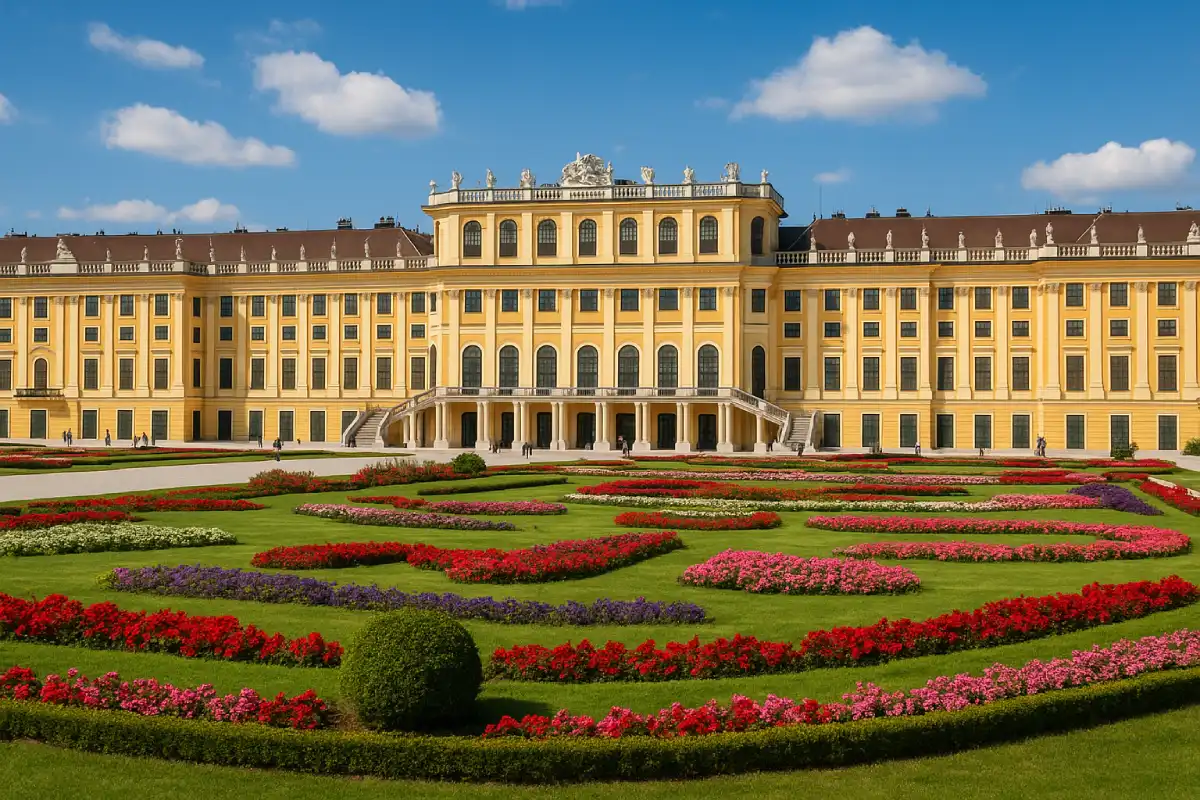
Unlocking Vienna’s Imperial Charm on a Budget
Vienna, with its opulent palaces, classical music heritage, and elegant cafes, might seem like a destination for the wealthy. But you can easily explore this magnificent city on a tight budget. By making smart choices on accommodation, food, and transport, you can soak in the history and culture of Vienna for a fraction of the cost. This guide provides all the practical tips you need to enjoy the city for under $100 a day, ensuring your trip is as rich in experience as it is light on your wallet.
1. The Cost of a Bed: Budget-Friendly Accommodation
Accommodation is a major expense in Vienna, especially in the central districts. To stay under budget, you’ll want to focus on hostels and budget hotels in the districts outside the city center, known as the “Inner City” (District 1).
Hostel & Budget Accommodation Prices by Area (Average per night for a dorm bed, August 2025)
| District (Bezirk) | Description | Average Price (USD/night) | Pros for Budget Travelers |
|---|---|---|---|
| District 1 (Innere Stadt) | Historic city center, close to all major sights. | $50 – $80+ | Walkable to everything, but very expensive. |
| Districts 2 & 3 (Leopoldstadt & Landstraße) | Central, but outside the inner ring. Close to Prater Park. | $35 – $60 | Great value, still walkable to many sights, excellent public transport links. |
| Districts 6 & 7 (Mariahilf & Neubau) | Trendy, artistic neighborhoods with shopping and cafes. | $30 – $55 | Lively, bohemian feel, excellent local restaurants, and shops. |
| Districts 15 & 16 (Rudolfsheim-Fünfhaus & Ottakring) | Multicultural, residential areas with a local feel. | $25 – $50 | Best value for money, very affordable food and supermarkets, excellent metro access. |
Note: Prices are estimates for a dorm bed and are subject to significant fluctuation based on demand and season. Private rooms will be 2-3x more expensive.
Tips for Saving on Accommodation:
- Stay Outside the 1st District: The metro system is fantastic. Staying a few stops outside the city center, in districts like Rudolfsheim-Fünfhaus (15th) or Neubau (7th), can save you a lot of money without sacrificing convenience.
- Book Early: Vienna is a popular destination, especially during the summer and Christmas market season. Book your hostel or budget hotel several months in advance for the best deals.
- Utilize Hostel Kitchens: Many hostels offer communal kitchens, which are a huge money-saver and allow you to cook your own meals.
2. Eating on a Dime: Vienna’s Budget Food Scene
While a visit to a classic Viennese coffee house is a must, you can save a lot of money by avoiding touristy restaurants and eating where the locals do. Vienna offers delicious and filling food for very little money if you know where to look.
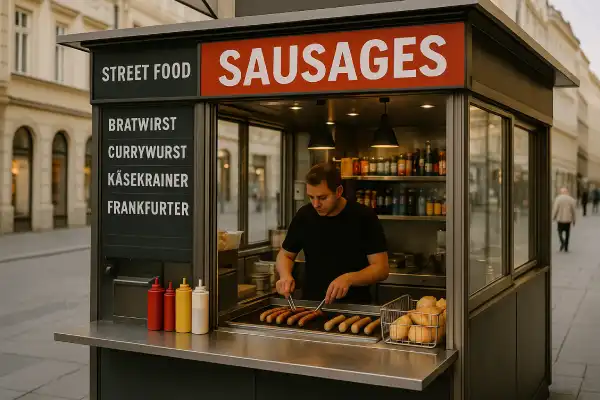
Estimated Budget Food Costs (August 2025):
- Breakfast: €5 – €10 (A pastry and coffee from a bakery or a simple breakfast from a local cafe).
- Lunch: €8 – €15 (A hot dog from a “Würstelstand” or a meal from a local “Beisl”).
- Dinner: €15 – €25 (A schnitzel from a local restaurant or a meal from a kebab shop).
- Daily Budget for Food: €30 – €50 if you stick to street food and local eateries.
Budget Eating Tips:
- Würstelstand: These hot dog stands are a Viennese institution. A Käsekrainer (cheese-filled sausage) with a Semmel (roll) is a classic, cheap, and filling meal.
- “Beisls”: These are traditional, cozy Viennese taverns. They offer hearty, local food for reasonable prices, often with a daily menu (Mittagsmenü) for lunch.
- Kebab Shops: Vienna has a large Turkish community, and kebab shops are everywhere. A Döner Kebab is a cheap, delicious, and filling meal.
- Supermarkets: Supermarkets like Billa, Spar, or Hofer are your best friends. You can get fresh pastries, sandwiches, and groceries for picnics for a fraction of restaurant prices.
3. Getting Around: The Cost of Public Transit
Vienna’s public transport system (Wiener Linien) is one of the best in Europe. It’s efficient, clean, and covers the entire city with its U-Bahn (metro), trams, and buses. It’s the only way to get around the city.
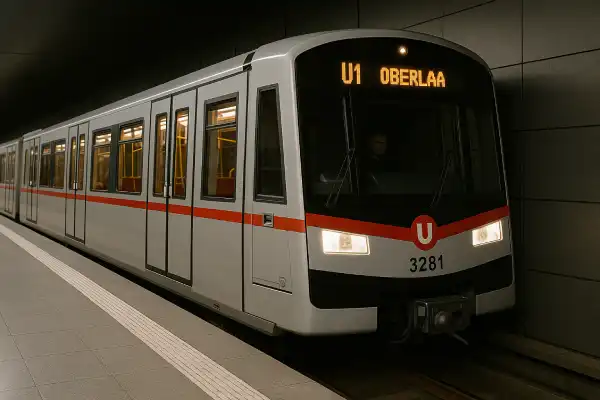
Fares (As of August 2025, subject to minor changes):
- Single Ticket: A single ticket costs €2.40.
- 24/48/72-Hour Tickets: This is your best option. A 24-hour ticket costs €8, a 48-hour ticket costs €14.10, and a 72-hour ticket costs €17.10. These tickets give you unlimited travel on all public transport within the city.
- Vienna City Card: This card gives you unlimited public transport and discounts on many attractions. It can be a great value if you plan to visit several paid sights.
Tips for Transportation:
- Walk the Inner City: The 1st district is best explored on foot. All the main sights are close to each other.
- Buy a Multi-Day Pass: If you’re staying for more than a day, a 24/48/72-hour ticket will save you a lot of money and the hassle of buying tickets for every ride.
- Validate Your Ticket: Always validate your ticket before you start your journey. Fines for traveling without a valid ticket are steep.
4. Staying Safe: Dangers, Scams, and Areas to Be Cautious
Vienna is considered one of the safest cities in the world, with a very low crime rate. The main risks for tourists are petty crime and a few common scams, which can be easily avoided with a little awareness.
Common Dangers & Scams:
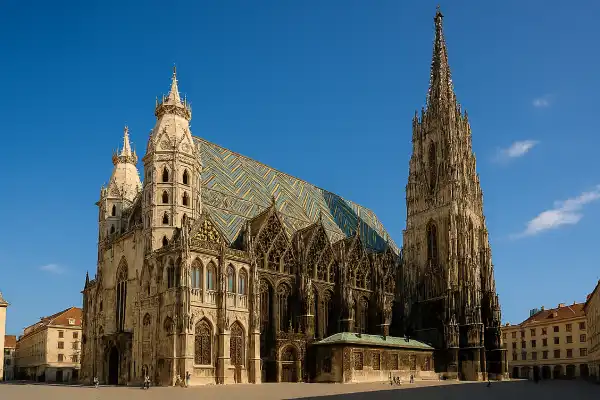
- Pickpocketing: This is the most common crime in Vienna. Be vigilant in crowded tourist areas like the Vienna State Opera, St. Stephen’s Cathedral, and on trams. Keep your wallet and phone in a secure, front pocket.
- “Petitioner” Scams: You may be approached by people asking you to sign a petition, often for a fake charity. While you’re distracted, a partner may attempt to pickpocket you. The best thing to do is politely say no and keep walking.
- Fake Taxis: Always use an official taxi (marked with a taxi sign) or a ride-hailing app like Uber. Unmarked cars may overcharge you.
Areas Where Caution is Advised:
- Central Station (Hauptbahnhof): Like any major train station, this area can attract a lot of people and petty criminals. Be extra vigilant with your belongings.
- Prater Park (at night): While generally safe, some areas of the Prater amusement park can be sparsely populated late at night. It’s best to stick to well-lit areas.
General Safety Advice:
- Lock Your Valuables: Use your hotel safe for your passport and extra cash. Carry a photocopy with you.
- Be Aware of Your Surroundings: Don’t walk around with your head buried in your phone, especially in crowded places.
- Emergency Numbers: Police 133, Ambulance 144, Fire 122.
5. Ensuring a Positive & Unforgettable Vienna Trip
By taking a few simple steps, you can ensure your trip to Vienna is filled with positive memories and enriching experiences.
- Embrace the Coffee House Culture: A visit to a coffee house doesn’t have to be expensive. You can order a single coffee and sit for hours, enjoying the atmosphere, reading, or writing.
- Take Free Walking Tours: Many companies offer free walking tours of the city center. While a tip is expected at the end, it’s a great way to get a local’s perspective on the city.
- Visit the Museums on Free Days: Many museums offer free entry on certain days or for certain hours. Check their websites in advance to plan your visits.
- Explore the Parks: Vienna is home to numerous beautiful parks. Take a stroll through Schönbrunn Palace gardens (free to enter) or relax in the Prater Park.
- Enjoy the Street Musicians: The city’s rich musical heritage is everywhere. You can find many talented street musicians and artists performing for free.
6. Vienna Travel FAQs (August 2025)
Is Vienna an expensive city to visit?
Vienna can be expensive, but it’s very manageable on a budget. By avoiding pricey hotels and restaurants, you can easily stay under $100 a day, especially by using the efficient public transport and enjoying free sights.
What is the best way to get from Vienna Airport (VIE) to the city center?
The cheapest way is the S-Bahn train (line S7), which costs around €4.40 and takes about 25 minutes. The City Airport Train (CAT) is faster but significantly more expensive.
Do I need to speak German in Vienna?
No, most people, especially in the tourism and service industries, speak excellent English. However, learning a few basic phrases like “Hallo” (hello) and “Danke” (thank you) is always appreciated by the locals.
Is it better to buy the Vienna City Card or a travel pass?
If you plan on visiting many museums and attractions, the Vienna City Card can be a great value. However, if you are focusing on free sights and a few paid ones, a simple 24/48/72-hour public transport ticket is likely the more economical choice.
What are some free things to do in Vienna?
You can explore the magnificent gardens of Schönbrunn Palace, wander through the historic streets of the Inner City, walk along the Danube River, and enjoy the free summer concerts in front of the Rathaus (City Hall).
Your Vienna Adventure Awaits!
Vienna’s elegance and charm are accessible to everyone, regardless of budget. With these tips, you’re ready to explore its palaces, enjoy its coffee culture, and discover its artistic soul without the financial stress. Enjoy the imperial city!
Start Planning Your Vienna Trip