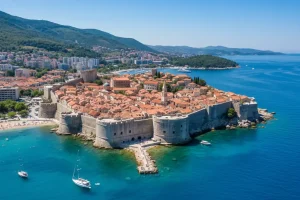
Top Things to Do in San Salvador for First-Time Visitors
San Salvador, the revitalized capital of El Salvador, is emerging as a compelling destination thanks to recent security improvements and extensive restoration of its **Historic Center**. The city combines modern amenities (especially in the safe **Zona Rosa**) with rich cultural heritage, all while operating entirely on the **US Dollar** and increasingly accepting **Bitcoin**. This 2025 guide provides the essential knowledge for first-time visitors, detailing where to find affordable, safe lodging, how to eat the best budget food (*pupusas*!), navigation tips, and crucial advice for staying safe while exploring this Central American hub.
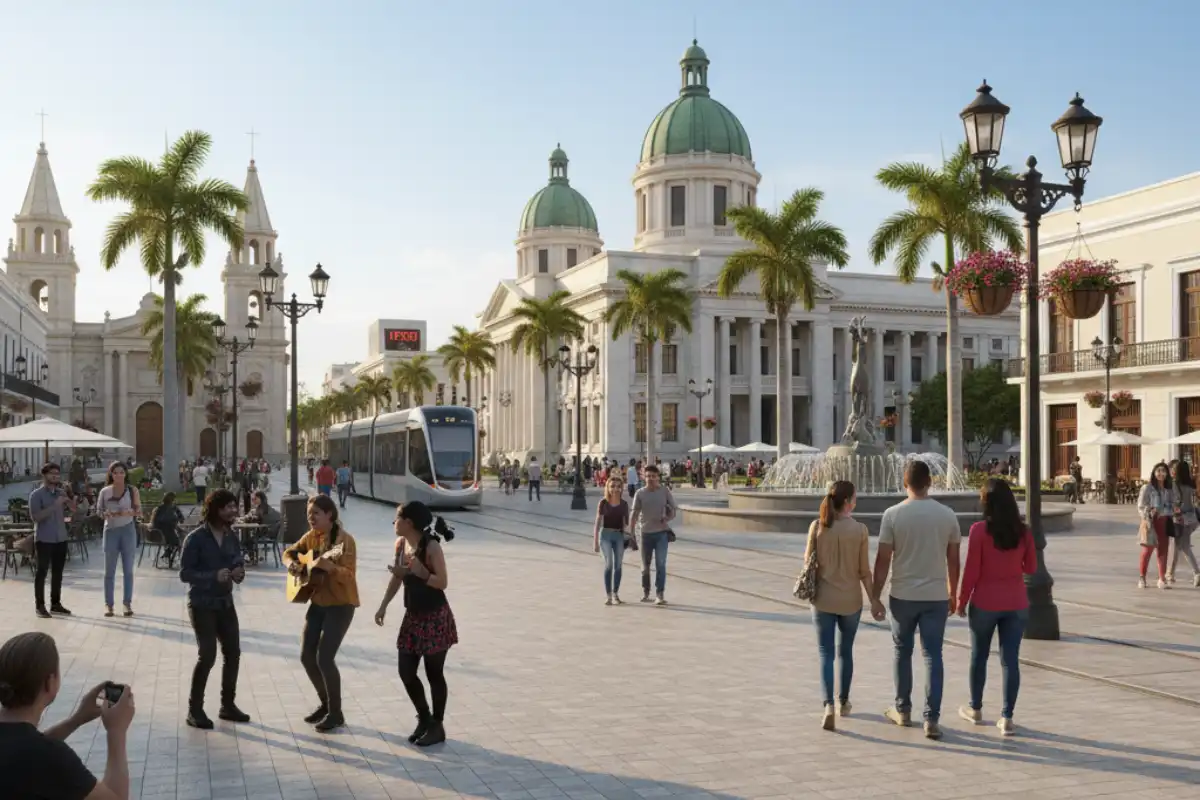
A City Reborn
El Salvador’s capital is undergoing a dramatic transformation, with the Historic Center now a vibrant, safe destination during the day. As a travel base, San Salvador offers excellent connectivity to the famous Pacific surf spots (like El Tunco) and the picturesque “Ruta de las Flores.” Tourists benefit from the use of the US Dollar, simplifying transactions, and the extremely low cost of living, making this an excellent budget destination.
San Salvador’s Essential First-Time Experiences
Iconic Sights:
- Historic Center: Spend a morning exploring the restored **National Palace**, the imposing **Metropolitan Cathedral**, and the elegant **Teatro Nacional**. Stick to the main, patrolled plazas.
- Zona Rosa (Colonia San Benito): Enjoy this affluent, safe neighborhood known for its embassies, upscale restaurants, and nightlife. It’s the best area for a relaxing evening.
- El Boquerón National Park: Take a short, cheap Uber ride up the San Salvador volcano to view the massive crater and enjoy cooler air and stunning city views.
- Museums: Visit the **MARTE (Art Museum of El Salvador)** and the **MUNA (National Museum of Anthropology)**, both located in the safer zones.
Budget-Friendly Tip: Entrance to the National Palace is often free or very inexpensive. A visit to the crater rim at **El Boquerón** costs a few dollars (USD) and is easily reached via a shared Uber/taxi ride, making it a highly cost-effective nature escape.
1. The Cost of a Bed: Budget-Friendly Accommodation
Accommodation prices in San Salvador are slightly elevated in the safest areas due to high demand for security and amenities. For first-time visitors, staying in the Western suburbs is strongly recommended.
Hostel & Budget Accommodation Prices by Area (Average per night for a dorm bed, October 2025)
| Area (Colonia/Zone) | Description | Average Price (USD/night) | Pros for Budget Travelers |
|---|---|---|---|
| Colonia San Benito (Zona Rosa) | Safest, most modern, best security, nightlife. | $18 – $30 | Highest security, easiest access to bars/restaurants. |
| Colonia Escalon | Mix of residential and commercial; good balance of safety and price. | $15 – $25 | Good value, central to key Western zones. |
| Historic Center/Centro | Cheapest options; close to historic sights. | $12 – $20 | Lowest prices, but severely compromises safety after dark; not recommended for lodging. |
Note: Prices are estimated for a standard dorm bed. The official currency is the US Dollar (USD).
Tips for Saving on Accommodation:
- **Embrace Escalon:** Staying in Colonia Escalon offers a good price point while still being relatively safe and well-connected via Uber to Zona Rosa.
- **Mid-Week Savings:** Hostels often reduce prices slightly during the week, as weekends see an influx of regional visitors.
2. Eating on a Dime: El Salvador’s Budget Food Scene
The food scene is one of the cheapest and most satisfying in Central America, centered around the beloved national dish: the *pupusa*.
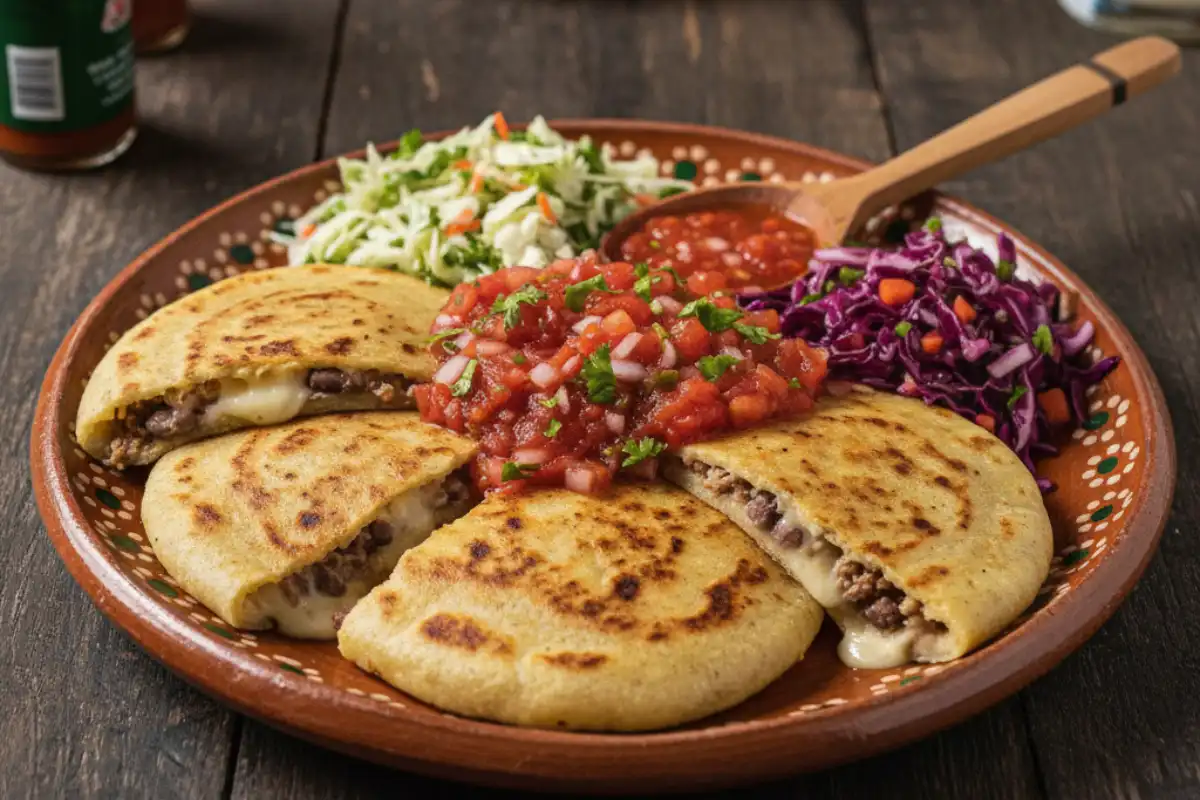
Estimated Budget Food Costs (October 2025):
- Pupusas: $0.50 – $1.00 USD per pupusa. Two or three make a full meal.
- Almuerzo (Set Lunch Menu): $3.00 – $5.00 USD. Available at local *comedores*, including rice, beans, meat, and tortillas.
- Street Food (Yuca Frita/Pasteles): $1.00 – $3.00 USD per item. Excellent budget snacks.
- Daily Budget for Food: $15 – $25 USD is very comfortable, allowing heavy reliance on local *pupuserías* and *comedores*.
Budget Eating Tips:
- **Pupuserías are King:** Look for local pupuserías, often simple stands or small restaurants, especially near markets. They are the ultimate budget meal.
- **Find the Comedores:** For a filling lunch, seek out *comedores* offering *Almuerzos*. They are prevalent near market areas and bus stops.
- **Avoid Chain Coffee Shops:** Specialty coffee and Western chains charge prices comparable to the US/Europe. Stick to local coffee stands for cheap, authentic coffee.
3. Getting Around: The Cost of Public Transit
While the local public bus system is incredibly cheap, it is complex, slow, and generally not recommended for tourists due to safety concerns. **Uber/Cabify is the preferred and safest method.**
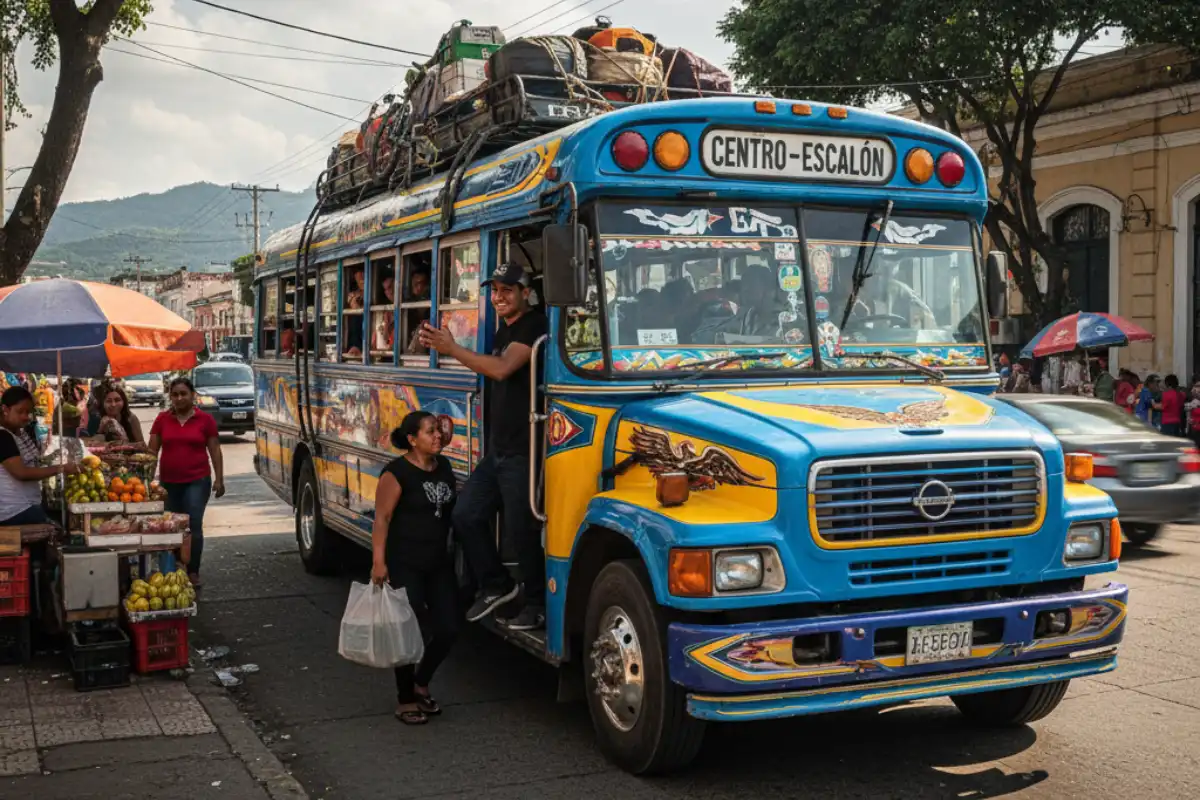
Fares (As of October 2025, estimated):
- Single Bus Ride: Approximately **$0.25 – $0.50 USD**. Tourists generally avoid this due to the security risk and confusion.
- Taxis/Ride-Sharing: Essential for all inter-zone travel. **Uber and Cabify** are cheap, reliable, and safest. A ride between Zona Rosa and the Historic Center is typically $4 – $7 USD.
- Airport Transfer (Comalapa Int. Airport): Budget option is a shared shuttle ($15–$25 USD). Private Uber/Taxi will cost $30–$40 USD.
Tips for Transportation:
- **Rely on Ride-Sharing:** Given the low cost of Uber/Cabify and the huge safety benefit, this is a highly recommended ‘splurge’ that protects your budget in the long run.
- **Walk Within Safe Zones:** Walk freely within Colonia San Benito/Zona Rosa during the day and early evening. Use Uber to cross between zones.
4. Staying Safe: Dangers, Scams, and Avoiding High-Risk Zones
El Salvador has seen dramatic security improvements in the last few years. While much of the city is now safer, tourists must still adhere to common-sense precautions and understand the ‘safe zone’ boundaries.
Common Tourist Dangers:
- **Opportunistic Theft:** The main threat is pickpocketing and phone snatching, especially in crowded, less affluent areas. **Keep valuables completely hidden.**
- **Unlicensed Taxis:** **Avoid hailing street taxis.** Only use app-based services (Uber/Cabify) or taxis arranged by your hotel/hostel.
- **Lack of Vigilance:** The perceived new safety can lead to carelessness. Maintain the same situational awareness you would in any major city.
Areas to Be Cautious Of (and Zones to AVOID):
- **Historic Center (Night):** While safe during the day, the Historic Center can become desolate and risky after business hours (after 5 PM). **Do not walk here at night.**
- **Bus Terminals (e.g., Terminal del Occidente):** These areas are always crowded and chaotic, making them hotspots for petty crime. Minimize time spent here.
- **The Outskirts:** Avoid venturing into any residential or industrial areas outside the established Colonias (San Benito, Escalon, Maquilishuat) or the renewed Historic Center.
5. Ensuring a Positive & Unforgettable San Salvador Trip
Embrace the unique Central American energy and take advantage of the easy access to both city culture and the Pacific coast.
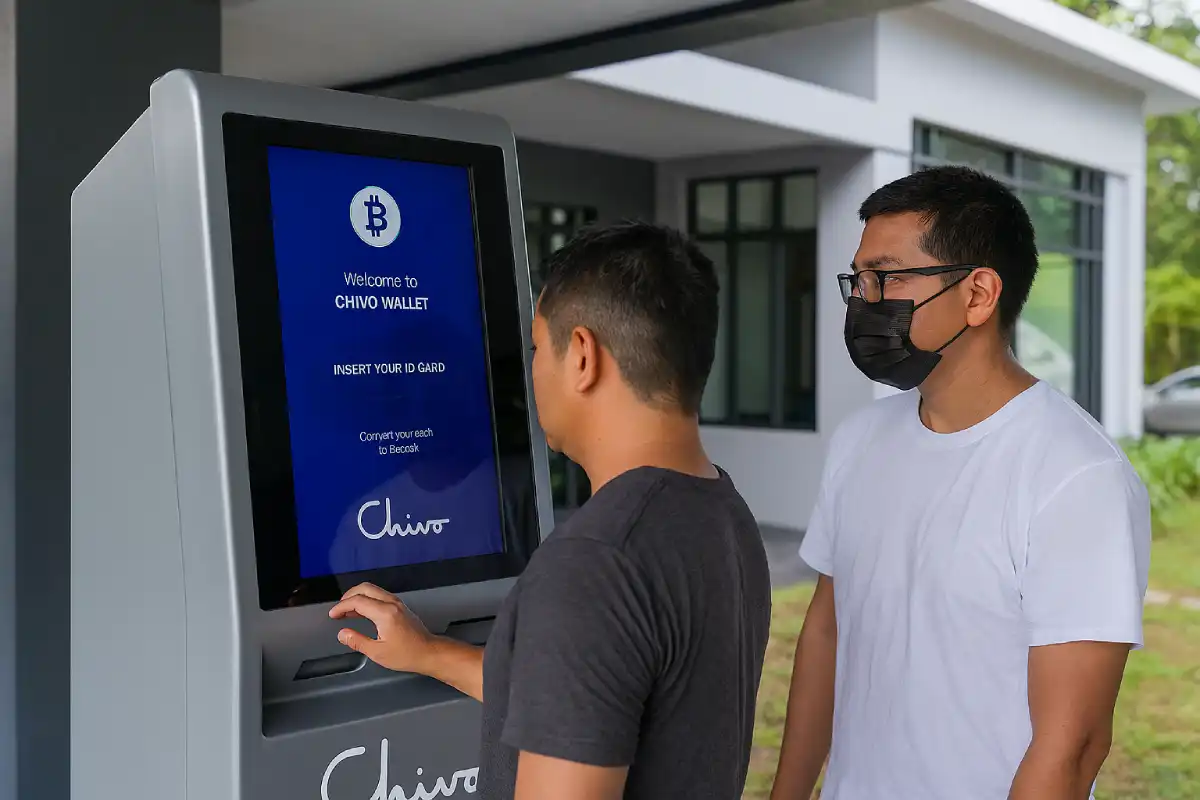
- **Embrace the USD/Bitcoin:** Since the US Dollar is the official currency, transactions are simple. Carry small bills ($1s, $5s). Bitcoin is accepted at many tourist spots (via the Chivo wallet), making this a unique travel experience.
- **Take a Coastal Day Trip:** The famous surf town of **El Tunco** is just an hour away and reachable via cheap, shared shuttles. This is a must-do escape.
- **Hydrate:** San Salvador is hot year-round. Always carry water.
- **Check Local Events:** The city frequently hosts free cultural and musical events, especially in the renovated plazas, which are great for evening enjoyment in a controlled environment.
6. San Salvador Travel FAQs (October 2025)
What currency should I bring to San Salvador?
The official currency is the **US Dollar (USD)**. You should bring USD cash, especially small bills ($1s, $5s). Bitcoin is also legal tender and widely accepted.
Is the tap water safe to drink?
No, it is **not recommended** to drink the tap water. Use bottled water for drinking and brushing teeth.
Is the Historic Center safe to visit now?
Yes, during the day (9 AM – 5 PM), the main plazas and streets are heavily patrolled and safe to visit. However, always use an Uber/Cabify to enter and leave, and do not stay after sunset.
Is Bitcoin actually used by tourists?
Bitcoin is accepted at major tourist spots, modern restaurants, and official ATM networks (Chivo machines). It’s easy to use if you already have a wallet, though USD cash is still more common at local *pupuserías*.
What is the best day trip from San Salvador?
The best day trip is to the beach town of **El Tunco**, which is popular with surfers and backpackers and is easily accessible by shuttle or bus.
Ready to Explore El Salvador’s Capital?
San Salvador offers an accessible, affordable, and culturally rich experience for those who prioritize safety and stick to the established tourist routes. Start planning your journey now!
Plan Your El Salvador Route