Top 10 Must-Try Hawker Dishes in Singapore
Singapore, the Lion City, is renowned for being a financial powerhouse, but its heart and soul truly lie in its **Hawker Culture**, a UNESCO recognized intangible cultural heritage. This vibrant street food scene is the key to experiencing Singapore affordably, as it allows budget travelers to indulge in world-class, diverse cuisine without the high price tag of fancy restaurants. This 2025 guide not only lists the top 10 iconic hawker dishes you must try but also provides essential budget tips on accommodation, transport, and safety to ensure a delicious and positive trip.

Top 10 Must-Try Hawker Dishes
Your trip to Singapore is incomplete without diving into its hawker centers. Here are 10 iconic dishes you absolutely must taste. Prices for these dishes typically range from **S$3.50 to S$7.00**.
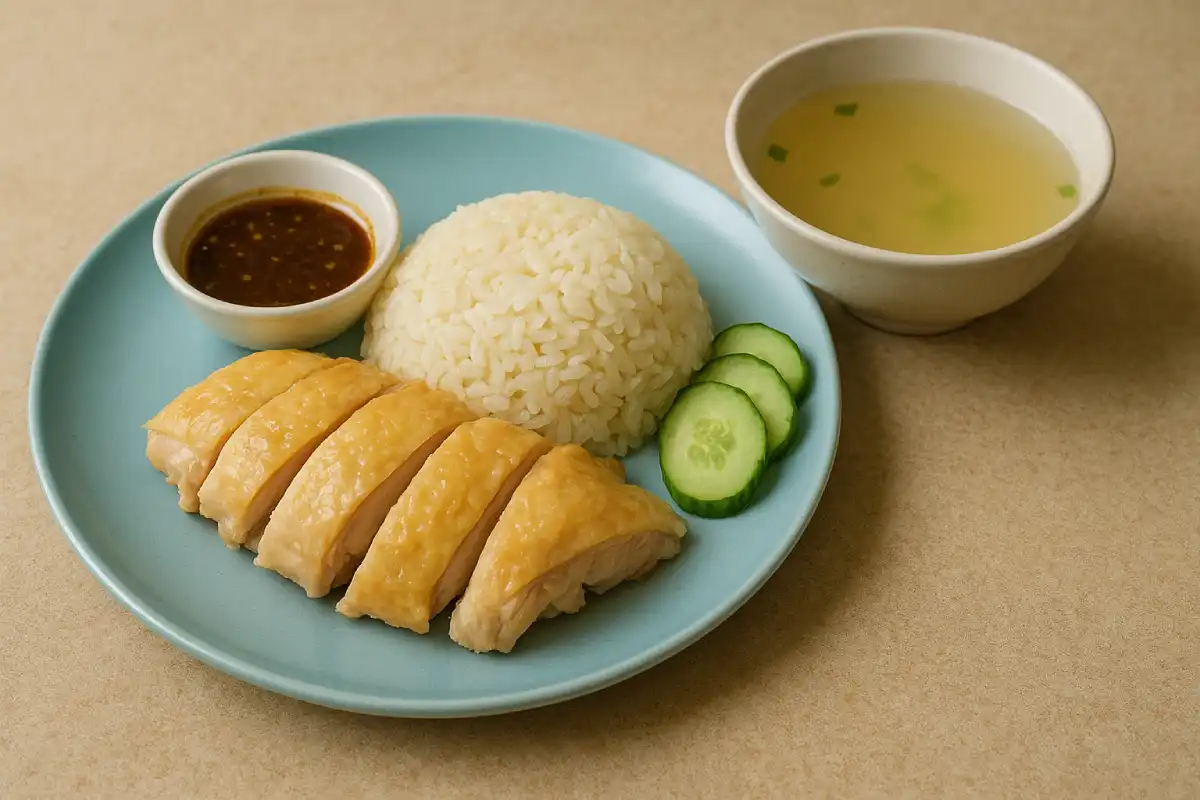
- Hainanese Chicken Rice: The national dish. Poached chicken served with fragrant rice cooked in chicken stock and ginger.
- Laksa: A spicy, coconut milk-based noodle soup with vermicelli, shrimp, fishcake, and cockles.
- Chili Crab / Black Pepper Crab: While whole crab is generally a splurge (S$40+), you can often find cheaper, smaller crab dishes or ‘Chili Prawns’ in hawker centers.
- Char Kway Teow: Flat rice noodles stir-fried in a wok with soy sauce, cockles, Chinese sausage, and chives look for the smoky ‘wok hei’.
- Hokkien Mee: Yellow egg noodles and white rice vermicelli stir-fried with prawns, squid, and pork belly in a rich prawn stock.
- Satay: Skewered, grilled meats (chicken, beef, or mutton) served with a sweet and savory peanut dipping sauce.
- Nasi Lemak: Fragrant rice cooked in coconut milk and pandan leaf, served with crispy anchovies, peanuts, cucumber, egg, and sambal chili.
- Roti Prata: A flatbread served with savory curries, perfect for breakfast or a late-night snack.
- Popiah: A fresh, uncooked spring roll filled with jicama (turnip), carrots, prawn, and a sweet sauce.
- Kaya Toast and Soft-Boiled Eggs: The traditional Singaporean breakfast, best enjoyed with a strong cup of local coffee (*kopi*).
1. The Cost of a Bed: Budget-Friendly Accommodation
Singapore has a reputation for being expensive, but its hostel scene is high-quality and manageable for budget travelers. Focus on areas outside the immediate financial district for the best value. Booking well in advance is highly recommended.
Hostel & Budget Accommodation Prices by Area (Average per night for a dorm bed, October 2025)
| Area | Description | Average Price (USD/night) | Pros for Budget Travelers |
|---|---|---|---|
| Chinatown / Little India | Cultural hubs with excellent, cheap food and great transport links. | $20 – $35+ | Best atmosphere, highly convenient for food and sightseeing. |
| Lavender / Kallang | Just outside the main center, known for being a hostel hotspot. | $18 – $30 | Best value and still close to the center via the MRT (subway). |
| Geylang / Joo Chiat | More residential and local; known for great hawker food and vibrant night scene. | $15 – $25 | Cheapest rates, excellent authentic food, requires slightly more travel time. |
Note: Prices are estimates for a quality dorm bed. Weekend rates and capsule hostels may be slightly higher.
Tips for Saving on Accommodation:
- Book Off-Peak: Avoid major school holidays and Formula 1 race week for significant savings.
- Freebies: Look for hostels that include free breakfast (even if basic) to save on one meal a day.
2. Budget Food Costs: Feast Like a Local
Food is where you save the most money in Singapore. By committing to eating almost exclusively at hawker centers, you can keep your daily food budget extremely low.
Estimated Budget Food Costs (October 2025):
- Breakfast (Kopi/Tea & Toast): S$3 – S$5 ($2.20 – $3.70 USD)
- Lunch at Hawker Center: S$4 – S$8 ($3.00 – $6.00 USD) for a main dish (e.g., Chicken Rice, Laksa).
- Dinner at Hawker Center: S$5 – S$10 ($3.70 – $7.40 USD) for a more substantial meal.
- Daily Budget for Food: S$15 – S$25 ($11 – $18.50 USD) is easily achievable for a full day of hawker meals.
Budget Eating Tips:
- Avoid Tourist Traps: While Lau Pa Sat and Maxwell are famous, check out local favorites like Tiong Bahru Market, Old Airport Road Food Centre, or Chinatown Complex for better prices.
- Water: Bring a reusable water bottle. While tap water is safe, most hawker centers will sell bottled water for around S$1.50-S$2.00, or you can buy large bottles from a supermarket.
3. Getting Around: The Cost of Public Transit
Singapore’s public transport system, primarily the MRT (subway) and buses, is world-class, extremely efficient, and affordable. It’s the most budget-friendly way to travel.

Fares (As of October 2025, subject to minor changes):
- Single Journey (MRT/Bus): Varies by distance, typically S$1.00 – S$2.50 ($0.75 – $1.85 USD).
- EZ-Link Card/SimplyGo: Buying an EZ-Link card or using a contactless credit/debit card with the SimplyGo system gives you discounted fares compared to single tickets. Card fares are slightly cheaper than cash.
- Singapore Tourist Pass (STP): Offers unlimited travel on the public transport network for 1, 2, or 3 days. A 3-day pass is roughly S$30 ($22 USD), which is only economical if you plan to travel extensively, multiple times per day.
- Airport to City (MRT): Approximately S$2.50.
Tips for Transportation:
- Use SimplyGo: If you have a contactless VISA or Mastercard, you can tap directly on the bus or MRT gate without buying an extra card. This is the simplest way for tourists.
- Avoid Taxis: Taxis and ride-sharing services (Grab/Go-jek) are much more expensive, especially during peak hours. Stick to the MRT.
4. Staying Safe: Dangers, Scams, and Areas to Avoid
Singapore is famously one of the safest cities in the world, with very low crime rates. The biggest “dangers” are regulatory fines, not criminal threats.
Common Dangers & Scams:
- Petty Crime: Virtually non-existent, but standard precautions should be taken in crowded areas like the MRT during rush hour.
- Scams: Be cautious of high-pressure sales tactics in tourist shopping areas, particularly electronic shops around Sim Lim Square, which have a reputation for misleading tourists. Stick to reputable retailers.
Areas to Be Cautious Of:
- Geylang (Specific Lanes): While a great food area, some back lanes of Geylang are known to be the red-light district. While generally safe, solo female travelers might prefer to stay in more central areas at night.
General Safety Advice:
- Know the Rules (Fines): Singapore has strict laws against chewing gum (banned), littering, smoking in prohibited areas, and jaywalking. Fines are steep. **Do not eat or drink on the MRT.**
- Stay Hydrated: The heat and humidity are significant. Always carry a water bottle.
- Emergency Numbers: Police 999, Ambulance/Fire 995.
5. Ensuring a Positive & Unforgettable Trip
Singapore’s mix of modern marvels and traditional culture offers a unique travel experience. Maximize your positive memories with these tips:
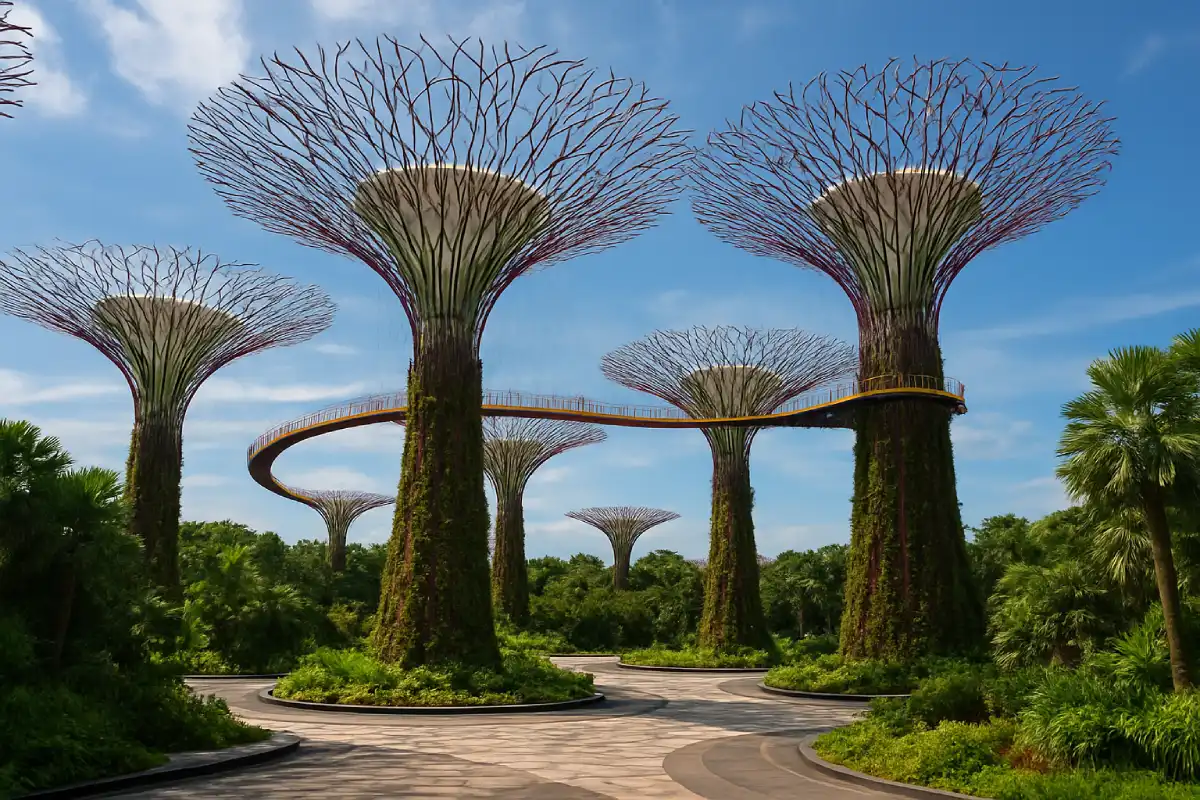
- Embrace the Free: Many of Singapore’s top attractions are free or low-cost: Gardens by the Bay’s Supertree Grove (the light show is free), the Marina Bay Sands light show, and exploring the Treetop Walk.
- Follow Hawker Etiquette: Use tissue paper packets to reserve a table in a hawker center (this is known as “chope-ing”). Never use a person’s name card or belongings.
- Bring a Sarong/Jacket: While it’s scorching outside, the air conditioning inside malls, the MRT, and cinemas is often set to freezing.
- Use the Public Library: They are excellent, often found near MRT stations, and offer a cool, quiet retreat with free Wi-Fi.
6. Singapore Travel FAQs (October 2025)
What is the currency in Singapore?
The currency is the Singapore Dollar (SGD or S$). Credit cards are widely accepted, but cash is essential for paying at many hawker stalls.
How can I get from Changi Airport (SIN) to the city center cheaply?
The cheapest way is the MRT (subway). The journey takes about 45 minutes to an hour, and costs around S$2.50 ($1.85 USD) if you use a contactless bank card with SimplyGo.
Is tipping customary in Singapore?
No, tipping is generally not expected in Singapore, especially at hawker centers. Some restaurants may automatically add a 10% service charge.
Is it safe to drink tap water in Singapore?
Yes, Singapore’s tap water is safe to drink and meets World Health Organization standards. Carry a reusable bottle to stay hydrated and save money.
What is the best way to get around the city?
The MRT and bus system are the best ways to get around. They are affordable, air-conditioned, and cover virtually the entire island efficiently.
Feast Your Way Through Singapore!
With world-class food at rock-bottom prices, Singapore is an accessible luxury. Use these tips to eat, travel, and sleep affordably!
Find Your Nearest Hawker Center