Temples of Bangkok: A Spiritual and Architectural Journey
Bangkok, the 'City of Angels,' is a sensory overload of noise, color, and spirituality, dominated by the shimmering gold of its Buddhist temples (*Wats*). A visit to the Thai capital is incomplete without exploring these architectural masterpieces. Thailand remains one of the world's best-value destinations, making a pilgrimage to its Wats affordable even for the tightest budget. This 2025 guide details the must-see temples, provides essential tips on saving money on hostels and the legendary street food, explains public transport, and offers crucial safety advice for a memorable journey.
The Grandest Wats: Spiritual and Architectural Gems
Essential Temple Visits:
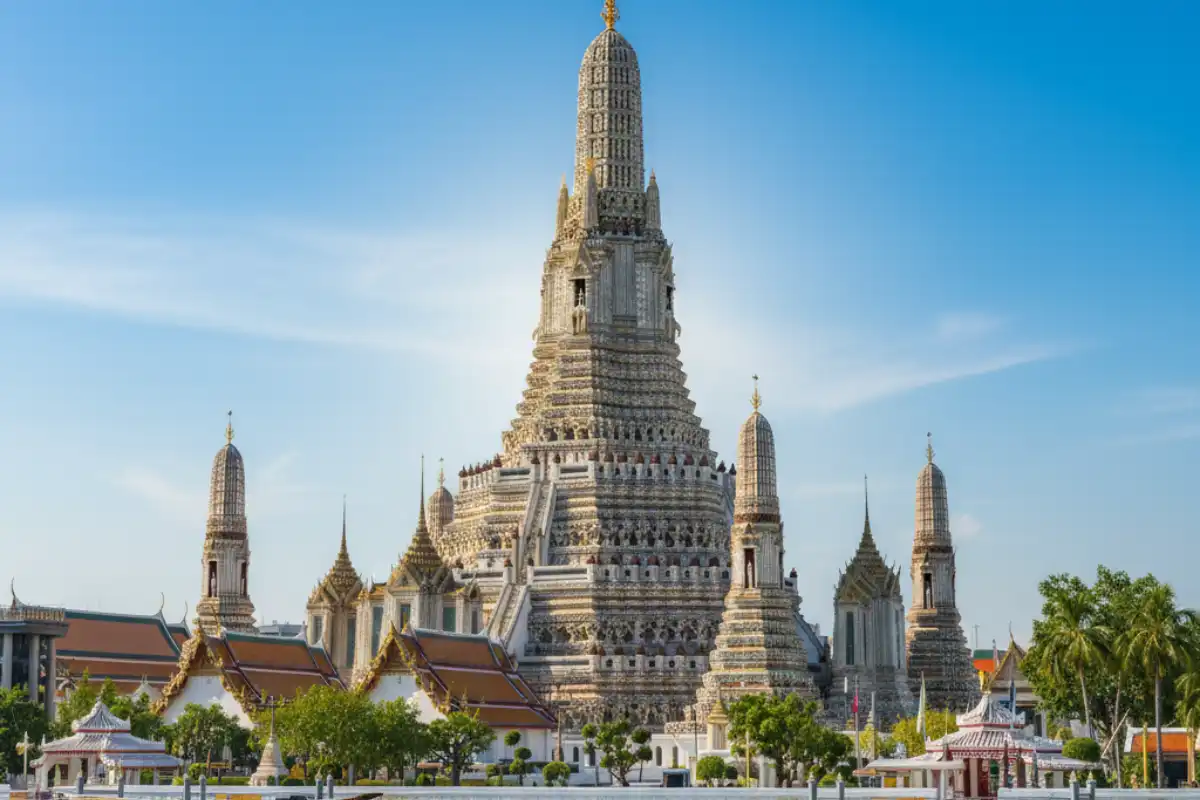
- Wat Arun (Temple of Dawn): Famous for its towering, colorful *prang* (spire) decorated with porcelain. Best viewed at sunset from across the river. (Entrance fee: approx. 100 THB).
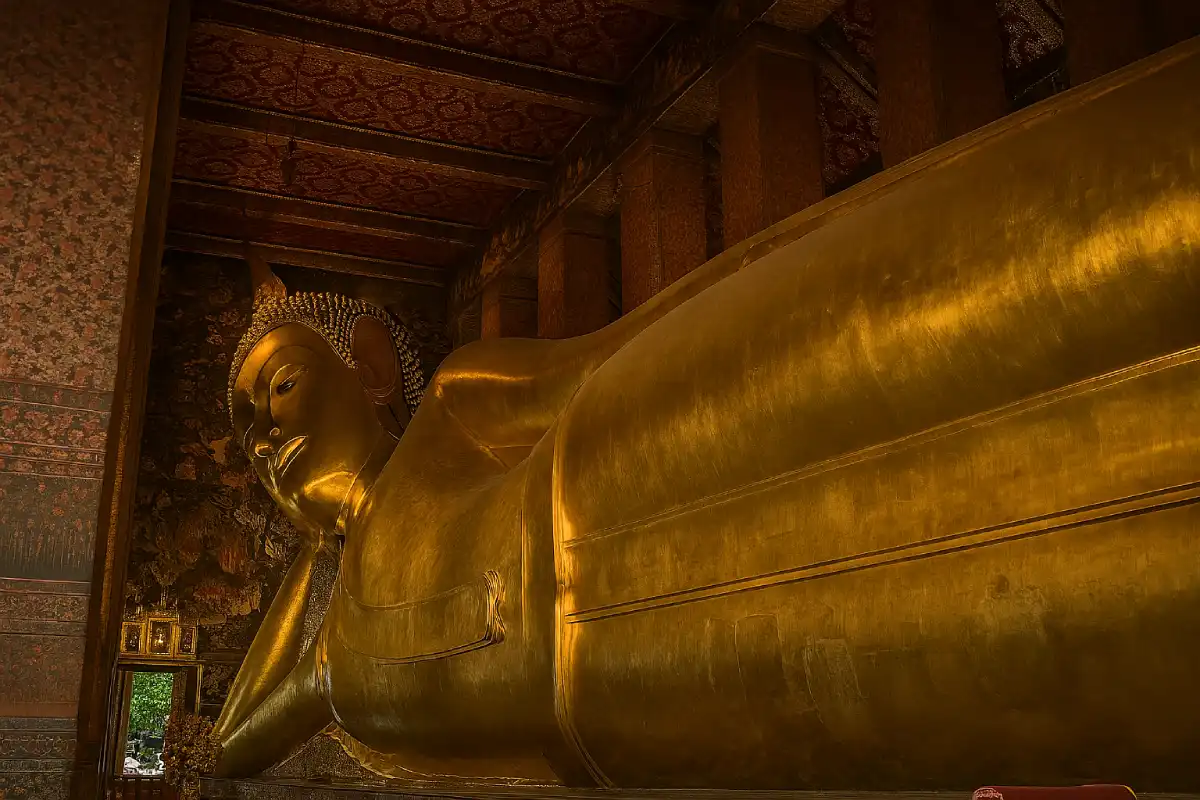
- Wat Pho (Temple of the Reclining Buddha): Home to the massive, 46-meter-long gold-leaf covered Reclining Buddha. Also considered the birthplace of traditional Thai massage. (Entrance fee: approx. 300 THB).
- The Grand Palace & Wat Phra Kaew (Temple of the Emerald Buddha): The most sacred site in Thailand. Note: While technically a royal residence, the Emerald Buddha temple is within the complex. (Entrance fee: approx. 500 THB).
- Wat Saket (The Golden Mount): Offers a panoramic, 360-degree view of the old city after a short climb. A serene escape from the bustle below. (Entrance fee: approx. 50 THB).
Dress Code Reminder: Always cover your shoulders and knees when visiting Wats and the Grand Palace. Wear comfortable shoes as you will be doing a lot of walking (and removing your shoes often).
1. The Cost of a Bed: Budget-Friendly Accommodation
Bangkok excels in offering high-quality, clean, and modern hostels for extremely low prices. Choosing a location near a central transport link (BTS Skytrain or MRT Subway) is crucial for saving on travel time and taxi costs.
Hostel & Budget Accommodation Prices by Area (Average per night for a dorm bed, October 2025)
| Area | Description | Average Price (USD/night) | Pros for Budget Travelers |
|---|---|---|---|
| Sukhumvit (Phrom Phong/Asok) | Modern, well-connected by BTS/MRT, close to nightlife and shopping. | $12 – $20+ | Excellent transport links, clean and modern hostels. |
| Siam / Pratunam | Central shopping district, slightly more expensive but convenient. | $15 – $25 | Very central, close to high-end malls and budget wholesale markets. |
| Khao San Road / Old City (Rattanakosin) | Near the main temples and backpacker zone. Not connected to the MRT/BTS. | $8 – $15 | Cheapest rates, best for history and nightlife, but requires taxis/buses for other areas. |
Note: Prices are estimates for a quality dorm bed. Prices tend to rise slightly closer to BTS/MRT stations.
Tips for Saving on Accommodation:
- Stay Near a Transit Hub: Areas like Asok, On Nut, or Phaya Thai offer great value and fast connections to the rest of the city, avoiding traffic and costly taxis.
- Utilize Free Breakfast: Many Thai hostels offer a basic but filling free breakfast, which helps stretch the budget.
2. Eating on a Dime: Bangkok’s Budget Food Scene
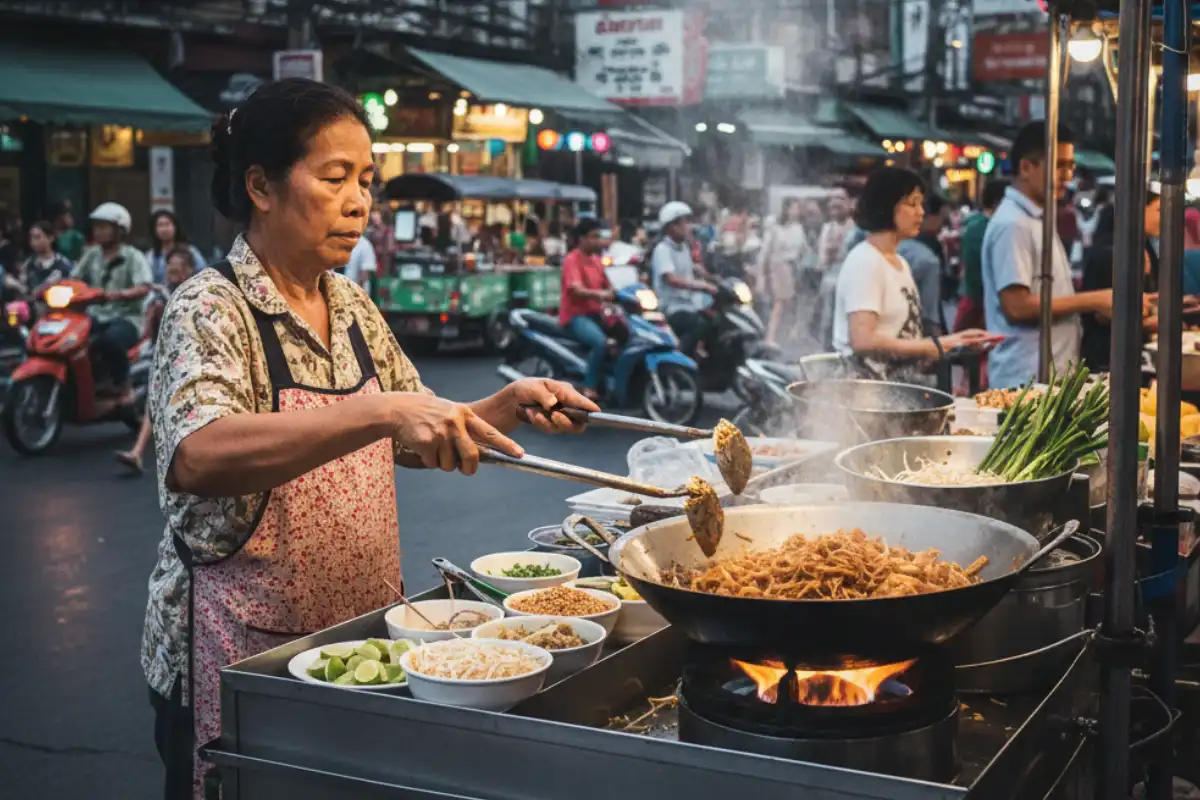
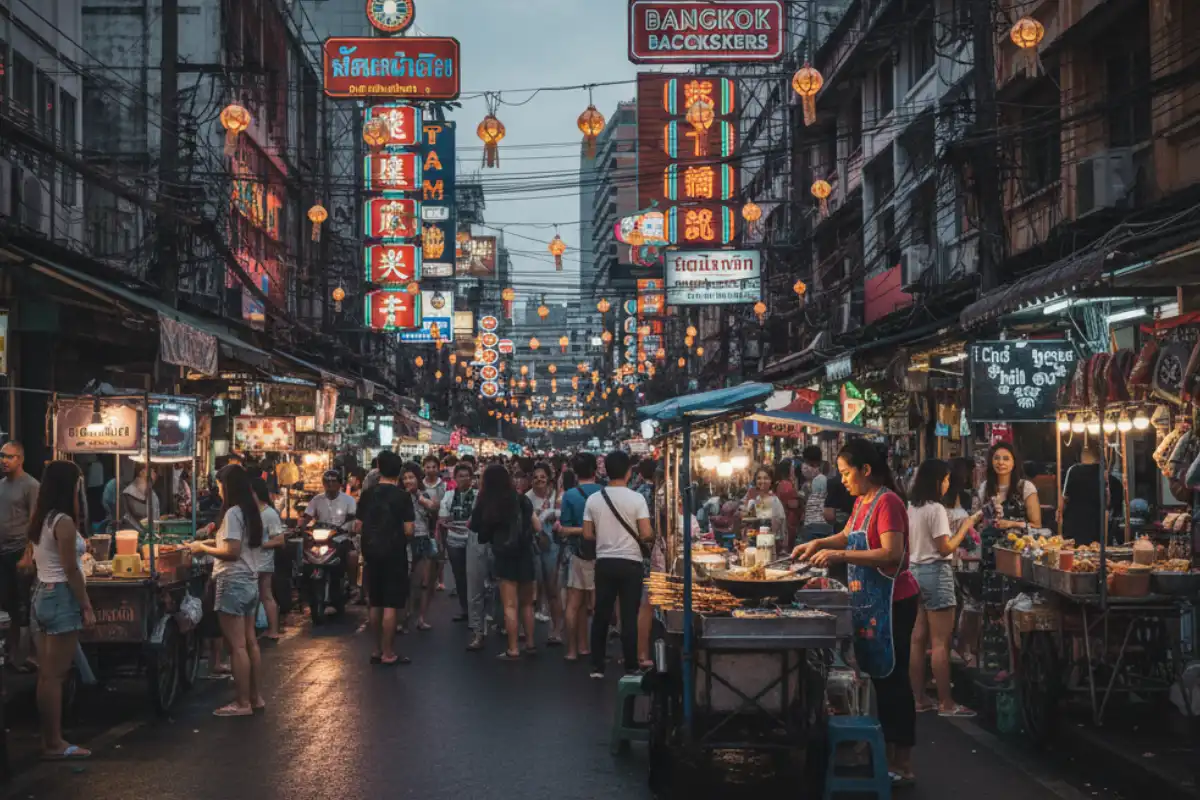
Bangkok’s street food is world-famous, delicious, and incredibly cheap. Eating street food and at local, non-touristy restaurants is the key to budget travel in Thailand.
Estimated Budget Food Costs (October 2025):
- Breakfast (Local): 40 – 70 THB ($1.10 – $1.90 USD) for a bowl of noodles or rice soup.
- Lunch (Street Stall): 50 – 90 THB ($1.40 – $2.50 USD) for Pad Thai, Green Curry, or Mango Sticky Rice.
- Dinner (Food Court/Local Eatery): 80 – 150 THB ($2.20 – $4.10 USD) for a multi-dish meal.
- Daily Budget for Food: 150 – 300 THB ($4.10 – $8.20 USD) is sufficient for three delicious, local meals.
Budget Eating Tips:
- Eat at Food Courts: Terminal 21’s Pier 21 food court is famous for high quality and incredibly low prices (meals from 30 THB).
- Follow the Locals: Long lines of locals are the best sign of quality and cleanliness.
- Buy Water: Large bottles of water from 7-Eleven or local stores are often 10-20 THB, a necessary daily cost due to the heat.
3. Getting Around: The Cost of Public Transit
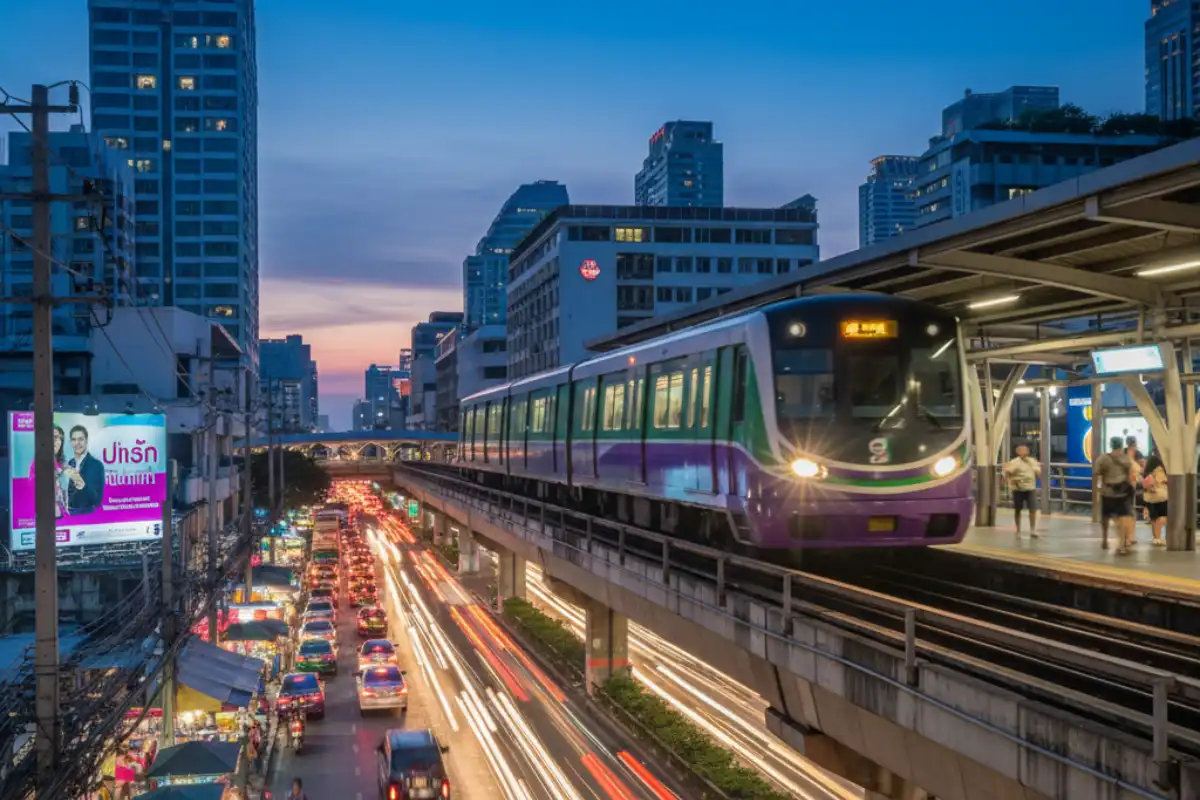
Bangkok’s traffic is notorious. To save money and time, utilize the fantastic BTS Skytrain, MRT Subway, and the Chao Phraya River boats.
Fares (As of October 2025, subject to minor changes):
- BTS/MRT Single Journey: Varies by distance, typically 17 – 60 THB ($0.45 – $1.65 USD).
- BTS One-Day Pass: ~150 THB ($4.10 USD). Only worthwhile if you plan to make four or more long journeys in one day.
- Chao Phraya Express Boat (Local Line): 16 THB ($0.45 USD). The best way to reach the Grand Palace, Wat Arun, and Wat Pho.
- Tuk-Tuk: Always negotiate the price *before* getting in. Often overpriced for tourists, but a fun, short-distance experience.
- Motorbike Taxi: Best for short distances in traffic jams. Fares must be agreed upon beforehand.
Tips for Transportation:
- Use the River Express: The orange-flagged boat is your budget best friend for visiting the old city temples.
- Avoid Taxis in Rush Hour: Taxis are cheap (metered), but traffic can hold you hostage, driving up the fare. Use the BTS/MRT during peak hours.
- Ride-Sharing Apps: Apps like **Grab** are safer than hailing a taxi on the street, especially for short distances.
4. Staying Safe: Dangers, Scams, and Areas to Avoid
Bangkok is generally safe, but tourists are heavily targeted by scams due to its popularity. Vigilance is necessary, especially around the major temple complexes.
Common Dangers & Scams:
- The Grand Palace Scam: The most common. A tout approaches you outside a major Wat (like the Grand Palace) and says, **”It’s closed today!”** or “Closed for a Buddhist holiday.” They then offer to take you to a “better, special temple” via a very cheap tuk-tuk, which inevitably ends up at overpriced tailor or jewelry shops. **The Palace is rarely closed.**
- Tuk-Tuk Overcharging: Drivers will often quote hugely inflated fixed prices. Always insist on using a metered taxi or use a ride-share app.
- Jet Ski Scams (Pattaya/Islands, not Bangkok): While less common in Bangkok, be wary of any rental where you are later blamed for “damage” to extort money.
Areas to Be Cautious Of:
- Khao San Road at Night: While vibrant, be cautious of your belongings (pickpockets) and any overly friendly locals offering to sell you tours or drugs.
- Around the Grand Palace: This is the prime area for the “closed temple” scam artists. Ignore anyone who approaches you.
General Safety Advice:
- Never Trust Strangers Near Temples: Only take travel advice from official tourist information booths or your hotel/hostel staff.
- Respect the Monarchy: Thai law and culture highly revere the Royal Family. Any perceived disrespect can lead to serious consequences.
- Emergency Numbers: Police 191, Tourist Police 1155.
5. Ensuring a Positive & Unforgettable Bangkok Trip
Embrace the warmth of the Thai people and the efficiency of the public transit system to maximize your enjoyment.
- Start Early: Visit the major temples (Grand Palace, Wat Pho) immediately after opening (8 AM) to avoid the worst of the heat and the crowds.
- Smile! Thailand is the “Land of Smiles.” A polite, friendly attitude will go a long way in all interactions.
- Learn Basic Phrases: Knowing how to say “Hello” (*Sawadee krap/ka*) and “Thank You” (*Khob Khun krap/ka*) is highly appreciated.
- Hydrate Constantly: The tropical heat is intense. Buy cold water frequently and take breaks in air-conditioned malls or the BTS.
6. Bangkok Travel FAQs (October 2025)
What is the currency in Thailand?
The currency is the Thai Baht (THB). Cash is necessary for street food, markets, and most temple entrance fees. Credit cards are accepted in major stores and hotels.
What is the dress code for visiting temples?
Both men and women must cover their shoulders and knees. Closed-toe shoes are not required, but you will need to remove them before entering the main Buddha prayer hall.
Is it easy to get around Bangkok using public transport?
Yes, the BTS Skytrain, MRT Subway, and river boats are efficient, modern, and cheap. They are the best way to avoid the city’s heavy traffic jams.
Is tipping customary in Bangkok?
Tipping is not mandatory but is highly appreciated. Rounding up a taxi fare, leaving 20-50 THB at a restaurant, or leaving a few coins at a street stall is common.
What is the best way to cross the Chao Phraya River?
Use the short **cross-river ferry** (about 5 THB) for quick journeys between temples like Wat Pho and Wat Arun. Use the **Chao Phraya Express Boat** for longer distances along the river.
Discover the Soul of the City of Angels!
With its stunning temples and affordable delights, Bangkok promises a truly enriching experience. Start planning your spiritual and culinary journey today!
Plan Your Bangkok Temple Route