Spring in Yosemite National Park
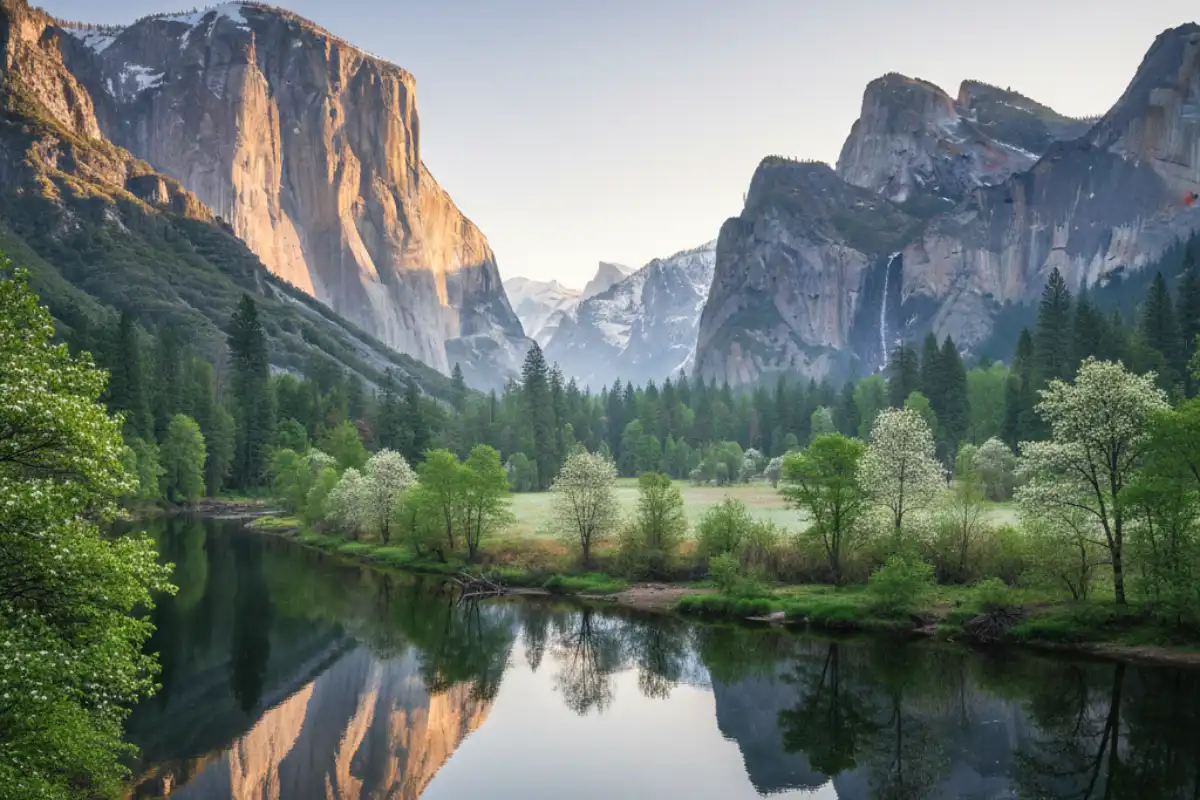
Spring in Yosemite is a sensory explosion. While winter holds the high country in a frozen embrace, the Valley floor awakens with a roar. This is the season of "The Great Thaw," where the Sierra Nevada snowpack transforms into thunderous vertical rivers. For travelers, spring offers a fleeting window to see the park at its most powerful, before the summer heat slows the falls to a trickle and the crowds reach their peak. Whether you’re standing in the mist of Bridalveil Fall or spotting a black bear cub in a lush meadow, spring provides a dynamic landscape that rewards both the adventurous hiker and the peaceful observer.
The Show of a Lifetime: Waterfall Season
In Yosemite, spring is synonymous with water. The peak runoff typically occurs in May and early June. During this time, ephemeral falls those that don’t exist in summer make their grand appearance alongside the legends.
- **Yosemite Falls:** One of the world’s tallest, its thunder can often be heard across the entire Valley in May.
- **Bridalveil Fall:** Known for the way the wind catches its spray, often creating vivid rainbows in the afternoon sun.
- **The Mist Trail:** A spring must-do. Hikers to Vernal and Nevada Falls should expect to be completely drenched by the spray a refreshing “Yosemite shower.”
On forums like r/Yosemite, regulars advise: “Don’t just look at the big names. Look for ‘Staircase Falls’ or the small ribbons of water pouring over the granite walls that only appear during a heavy melt.”
Wildflowers and Verdant Meadows
As the snow recedes, Yosemite’s meadows turn an electric green. Wildflowers follow the retreating snowline up the mountains. In the Valley, you’ll find Western Azaleas filling the air with fragrance in late May, while higher elevations like Tuolumne Meadows (once accessible) offer sub-alpine blooms later in the season.
Photography Tip: The “Moonbow” Phenomenon
During the full moons of April and May, Yosemite Falls creates “lunar rainbows” or moonbows. Travelers from specialized photography groups suggest using a tripod and long exposure at the base of Lower Yosemite Fall to capture this ethereal, silvery spectrum that is invisible to the naked eye.
Navigating the Transition: Roads and Access
Spring is a “transition season,” meaning the park is never fully open all at once. Understanding road closures is crucial for your itinerary.
Tioga Road and Glacier Point Road
These high-elevation roads are usually closed through May and often into June due to snow. If your goal is to see the high country, aim for a late June visit. However, if you prefer the dramatic waterfalls of the Valley, early May is unbeatable. Check the National Park Service (NPS) website for historical opening dates to help predict your window.
Wildlife Safety
Spring is when black bears emerge from hibernation. Mothers with cubs are frequently seen in the meadows. Expert hikers emphasize the “Bear Aware” rules: never leave food in your car (use the provided bear lockers) and maintain at least 50 yards of distance. “Bears in Yosemite are experts at breaking into vehicles for a single gum wrapper,” warns a frequent visitor on TripAdvisor.
Frequently Asked Questions About Yosemite in Spring
When is the best month for waterfalls?
May is generally the peak. April can be spectacular if it was a warm winter, but May offers the most consistent “thundering” volume across all the park’s falls.
Are reservations required to enter the park?
Reservation requirements change annually. For 2024-2025, Yosemite has implemented “Peak Hours Plus” reservations for certain weekends in the spring. Always check nps.gov/yose before you drive to the gate to avoid being turned away.
Can I hike Half Dome in the spring?
Usually not until late May. The “cables” are typically put up for the season on the Friday before Memorial Day, weather permitting. A permit is strictly required to summit.
What should I wear for spring hiking?
Waterproof layers are non-negotiable. Even on a sunny day, the Mist Trail will soak you to the bone. Pack a lightweight rain poncho and wear shoes with excellent grip, as granite rocks become incredibly slippery when wet.
Is camping available in the spring?
Yes, but it’s competitive. Upper Pines remains open year-round, while others like North Pines and Lower Pines usually open in April. Reservations open five months in advance on the 15th of each month and sell out in seconds.
Conclusion: A Symphony of Granite and Water 🌸
Yosemite in spring is a reminder of nature’s raw power and delicate renewal. By visiting during the thaw, you witness a version of the park that is literally in motion shifting from the silence of snow to the roar of the falls. It requires a bit more planning and a few more layers of clothing, but the reward of seeing a rainbow-arched waterfall against a clear blue Sierra sky is a memory that lasts a lifetime.
Would you like me to help you check the current snowpack levels or draft a 3-day spring itinerary focusing on the Valley floor?