Ski gear rental vs buying
For anyone hitting the slopes, the fundamental question remains: **Should I rent my gear or invest in my own?** This decision hinges on several factors, including your skill level, the frequency of your trips, budget, and preference for comfort. While renting offers convenience and flexibility, owning your equipment provides consistency and is often more economical for dedicated enthusiasts.
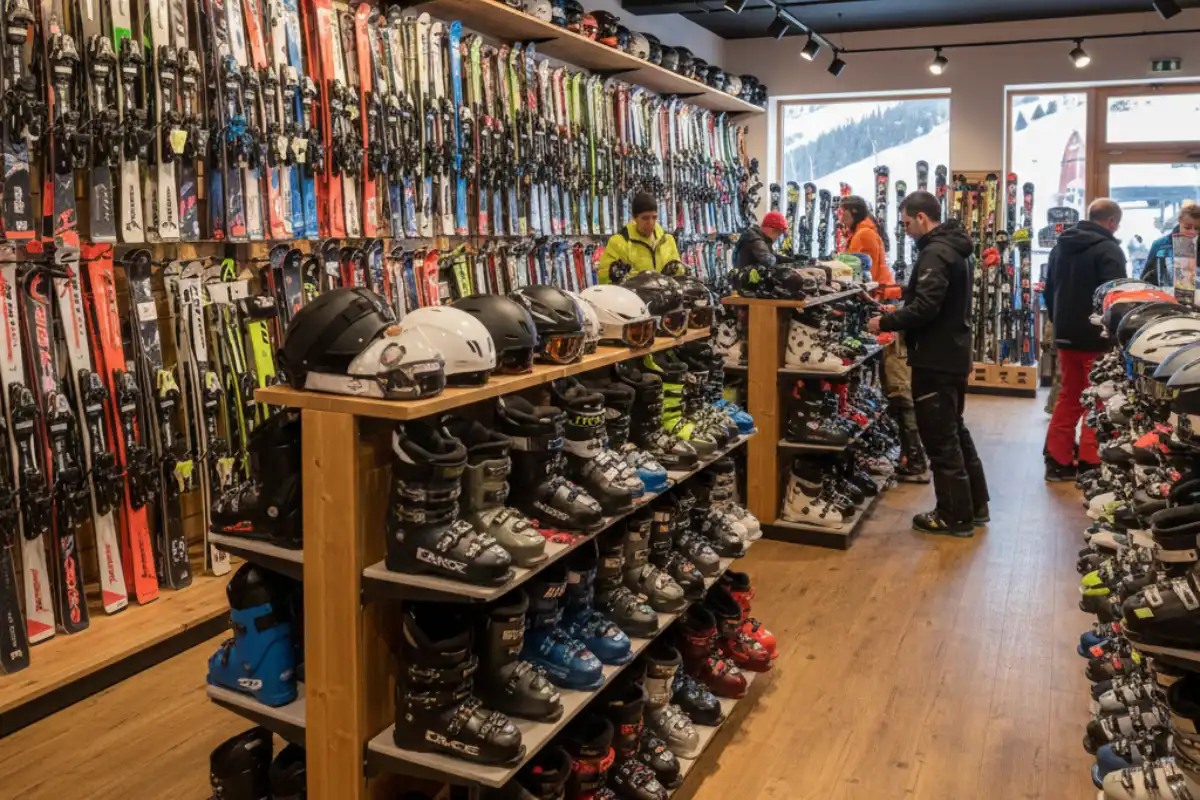
The Case for Renting: Convenience and Flexibility
1. Ideal for Beginners and Infrequent Skiers
If you ski **less than one week per year**, renting is almost always the financially smarter choice. Ski equipment is expensive, requires maintenance, and new models are released annually.
- **Cost-Effective:** Renting avoids high upfront costs and maintenance fees (waxing, sharpening, repairs).
- **Try Before You Buy:** Beginners can test different types of skis (carving, all-mountain, twin tips) and stiffness to discover personal preferences before committing to a purchase.
- **Hassle-Free Travel:** No need to check oversized luggage on flights or haul bulky equipment to and from the resort.
- **Traveler Advice:** “As a family, we only ski once a year. Renting has been a game-changer. We save on checked baggage fees and the kids can easily upgrade their boot sizes every year without me having to sell old equipment.” (Source: Family Travel Forum)
2. Access to Current Technology
Rental shops frequently update their inventory. When you rent, you often get to use the latest model skis or boards, which can significantly enhance your experience as technology improves.
The Case for Buying: Comfort and Consistency
1. The Critical Importance of Owning Your Boots
If you plan to ski **more than 10-15 days per year**, the consensus among experts is to **buy your own boots first**. Boots are the most important piece of gear for performance and comfort.
- **Perfect Fit:** Custom-molded or professionally fitted boots eliminate the pain, blisters, and cold feet commonly associated with rental boots. This dramatically improves control and confidence.
- **Hygiene:** Your own boots are guaranteed to be clean and dry, addressing common hygienic concerns with rental footwear.
- **Expert Opinion:** “You can rent skis all day long, but you should never rent boots if you’re serious about the sport. A good, custom-fitted boot is the foundation of your skiing, providing immediate feedback and preventing debilitating foot pain.” (Source: Ski Industry Professional Blog)
2. Long-Term Financial Sense
For frequent skiers (more than two weeks per year), the cost of daily rentals quickly surpasses the amortized cost of ownership. A good pair of skis or a snowboard can last 5-7 seasons, making the per-day cost significantly lower than renting.
3. Consistency and Tuning
Owning your gear means you always know its condition. You can maintain a consistent tuning schedule (waxing, sharpening) customized to your style, leading to better, more predictable performance on the mountain.
The Hybrid Approach: Best of Both Worlds
Many intermediate and advanced skiers opt for a balance between renting and buying:
- **Own:** Boots, Helmets, Goggles, and specialized outerwear (gloves, base layers).
- **Rent:** Skis or Snowboards. This strategy provides the maximum comfort (custom boots) while allowing flexibility to try new gear, avoid airline baggage fees, and skip maintenance on the bulky equipment.
Budgeting Tip for Skiers
“If you decide to buy, start looking for high-quality, lightly used gear. Many people sell their equipment after one or two seasons when they decide to upgrade or stop skiing. Facebook Marketplace, dedicated ski swap events, and consignment stores offer significant savings without sacrificing quality.” (Source: Ski Finance Magazine)
Frequently Asked Questions About Ski Gear
At what point is buying skis cheaper than renting?
Typically, if you ski **more than 15 days total** (over multiple seasons), buying begins to become more cost-effective. Given that an average rental package costs $40-$60 per day, purchasing a mid-range setup ($600-$900) will pay for itself in 10 to 20 days.
Should I buy my own helmet?
Yes, buying a helmet is highly recommended. Helmets are relatively inexpensive ($50-$150), fit better, and you ensure its history rental helmets may have sustained impacts that compromise safety, even if they appear fine.
What is a ‘demo’ ski and why should intermediate skiers rent it?
A ‘demo’ ski is a high-performance ski from the current season’s lineup, usually well-maintained. Intermediate and advanced skiers should rent demo skis to test top-tier equipment before purchasing. Rental shops often apply a portion of the demo rental fee toward the purchase price.
How often do skis need maintenance?
If you own skis, they generally need a **full tune-up** (base repair, edge sharpening, wax) once every 5-10 ski days. If you ski less frequently, a wax before and after the season is sufficient to protect the base and edges.
Is it safe to fly with my own ski equipment?
It is safe, but often expensive. You must purchase a durable, padded **ski bag** and check it as oversized luggage, incurring a fee of $30 to $100 per direction, depending on the airline. Always check the airline’s specific policies before flying.
Conclusion: Making the Informed Choice 🎯
The decision between renting and buying ski gear is personal. **Rent** if you are a beginner, travel frequently, or ski infrequently. **Buy** if you are an intermediate or advanced skier who spends more than two weeks a year on the mountain. By prioritizing the purchase of custom-fitted boots, you secure the most vital piece of equipment, ensuring comfort and maximum enjoyment regardless of whether you rent or own the skis themselves.