Reusable Water Bottles: Stay Hydrated & Eco-Friendly On The Go (2025 Top Picks)
In the whirlwind of travel, it’s easy to overlook something as fundamental as hydration. Yet, staying properly hydrated is crucial for combating jet lag, maintaining energy levels, and simply enjoying your adventure. Beyond personal well-being, there's a growing global awareness about the environmental impact of single-use plastics.
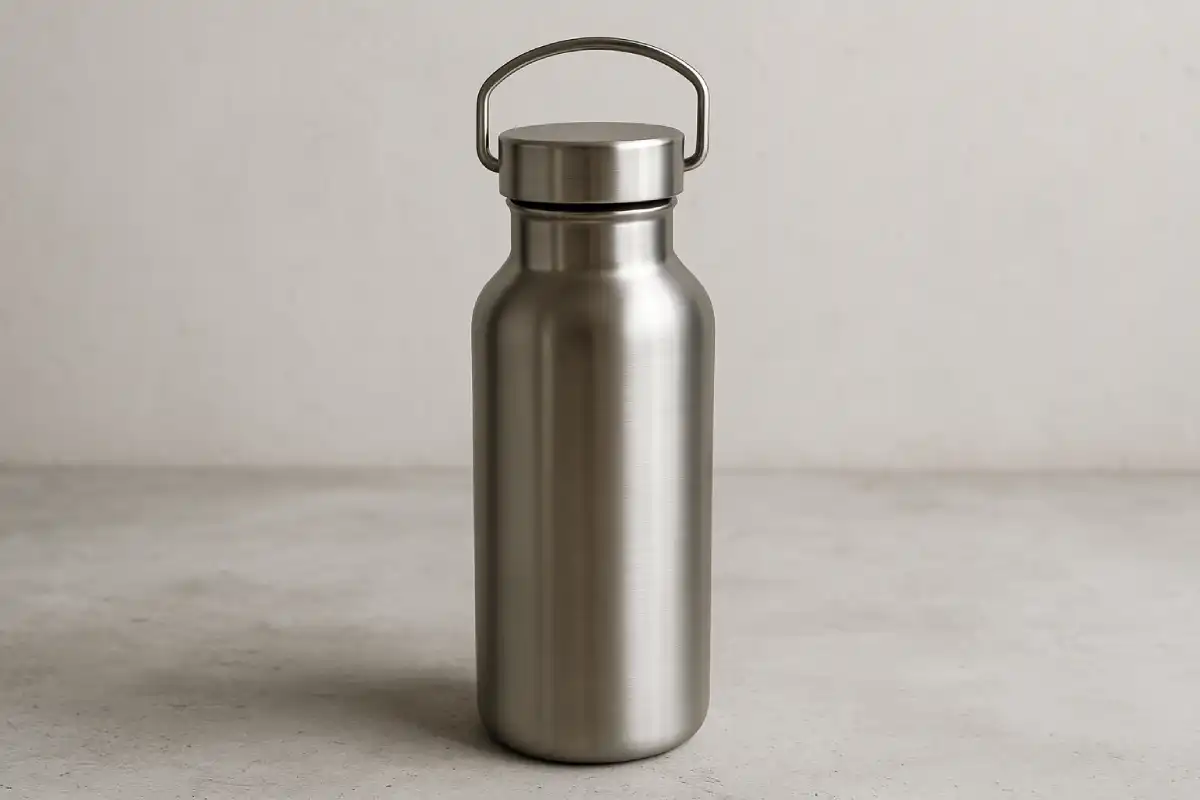
This is where the **reusable water bottle** steps in as your ultimate travel companion. More than just a vessel for water, it’s a commitment to your health and the planet. Let’s dive into why a quality reusable water bottle is an absolute must-have for every modern traveler, and explore our top picks for staying hydrated and eco-friendly on the go in 2025.
Why a Reusable Water Bottle is Your Travel MVP
The benefits of carrying your own refillable water bottle are undeniable:
1. Health & Hydration On Demand 💧
Travel can be dehydrating due to air conditioning, flying, sun exposure, and increased activity. Having water constantly accessible encourages you to drink more consistently, warding off headaches, fatigue, and other dehydration symptoms. This is especially vital when exploring new cities or engaging in outdoor activities.
2. Significant Cost Savings 💰
Buying bottled water daily, especially in touristy areas or at airports, adds up quickly. A reusable bottle means you can refill for free at water fountains, cafes (many are happy to oblige), or hotel taps (where safe to drink). Over a multi-day or multi-week trip, this can save you a substantial amount of money.
Experienced Traveler Insight: Maria, Budget Backpacker
“I track my expenses religiously, and bottled water used to be a huge drain on my budget, especially in Europe. Switching to a reusable bottle and seeking out free refill stations or using a filtered bottle literally saved me hundreds of dollars over a six-month trip. It’s a simple change with massive financial returns.”
3. Environmental Impact & Sustainability 🌱
Plastic pollution is a global crisis. By choosing a reusable bottle, you’re directly reducing your contribution to single-use plastic waste. Many destinations, particularly those with fragile ecosystems, struggle immensely with plastic bottle disposal.
- Reduced Waste: Divert countless plastic bottles from landfills and oceans.
- Promote Awareness: Encourage others to adopt sustainable habits by example.
4. Convenience & Accessibility 🚶♀️
No more searching for a convenience store or waiting in line. Your water is always just a sip away, whether you’re on a long bus ride, hiking a trail, or stuck in an airport terminal.
5. Versatility & Comfort ❄️🔥
Many modern reusable bottles come with insulation, keeping your water cold for hours in hot climates or your tea/coffee hot in chilly conditions. This enhances your comfort significantly.
Choosing the Right Reusable Bottle for Your Travels
Not all bottles are created equal. Consider these factors:
1. Material Matters: Stainless Steel Reigns Supreme 🛡️
- Stainless Steel:
- Pros: Extremely durable, doesn’t retain flavors, often insulated (keeps drinks hot/cold for hours), no leaching of chemicals, easy to clean.
- Cons: Can be heavier than plastic, can dent if dropped hard.
- Why it’s a Top Pick: Its robustness and insulation capabilities make it ideal for varied travel conditions.
- Plastic (BPA-Free Tritan):
- Pros: Lightweight, often transparent (can see water level), shatter-resistant.
- Cons: Can retain odors/flavors over time, not insulated, some concerns about microplastics.
- Glass:
- Pros: Pure taste, no leaching.
- Cons: Fragile, heavy, not ideal for active travel.
2. Insulation: Hot or Cold? 🌡️
If you prioritize temperature retention (e.g., cold water in hot climates, hot tea in cold weather), a **double-walled, vacuum-insulated stainless steel bottle** is a must. Brands like Hydro Flask, Stanley, and Yeti are renowned for their insulation capabilities.
3. Capacity: How Much Do You Need? 📏
Common sizes range from 16 oz (0.5L) to 32 oz (1L) or more. Consider your typical hydration needs and how often you’ll have access to refills. A 20-24 oz (600-700ml) bottle is often a good balance for daily use and fitting into backpack pockets.
4. Lid Type: Sip, Chug, or Carry? 蓋
- Screw Top: Most secure against leaks, but slower to drink from.
- Straw Lid: Convenient for sipping on the go, often with a cover for hygiene.
- Chug Cap/Spout Lid: Good flow, often with a handle for carrying.
- Carabiner Clip: Allows you to attach the bottle to your bag.
5. Filtered Water Bottles: For Untrusted Sources 🌍
If you’re traveling to regions where tap water quality is questionable, a **filtered water bottle** is an invaluable investment. Brands like Lifestraw, Sawyer, and Grayl offer bottles with advanced filtration systems that remove bacteria, protozoa, and even viruses (depending on the filter type).
Experienced Traveler Insight: David, Adventure Traveler & Wilderness Guide
“My Grayl filter bottle is my most prized travel possession. Whether I’m in rural Patagonia or a big city with iffy tap water, I can confidently fill up from almost any source. It’s saved me from countless stomach bugs and eliminated the need to buy bottled water, even in places where it’s the norm. Total peace of mind.”
Top Reusable Water Bottles for Travel (2025)
Based on durability, insulation, features, and traveler reviews, here are some consistently highly-rated options:
- Owala FreeSip Water Bottle: Innovative sip/chug lid, excellent insulation, sleek design.
- Hydro Flask Wide Mouth with Flex Cap: Legendary insulation, durable stainless steel, wide range of colors/sizes.
- Stanley Quencher H2.0 FlowState Tumbler: Popular for its large capacity and straw lid, great for extended hydration.
- Yeti Rambler Bottles: Extremely robust and well-insulated, though a bit heavier.
- Larq Bottle PureViss: Self-cleaning UV-C technology and insulation for purified water on the go.
- Grayl GeoPress/Ultrapress: Best-in-class portable water purifiers for international travel to areas with unsafe tap water.
Frequently Asked Questions About Reusable Water Bottles for Travel
Can I bring a reusable water bottle through airport security?
Yes, absolutely! You can bring an empty reusable water bottle through airport security. Once you’re past security, you can fill it up at water fountains, bottle refill stations, or even at restaurants/cafes within the airport.
Are stainless steel bottles safe for hot drinks?
Yes, most insulated stainless steel bottles are designed for both hot and cold beverages. They use a double-walled, vacuum-sealed construction to prevent heat transfer, keeping your hot drinks hot and your cold drinks cold for hours. Just be careful when sipping hot liquids!
How do I clean my reusable water bottle when traveling?
For daily cleaning, rinse thoroughly with hot water. For a deeper clean on longer trips, you can use a small amount of dish soap and hot water, using a bottle brush if needed. For very thorough cleaning, you can use bottle cleaning tablets (like effervescent denture tablets) or a mixture of baking soda and vinegar, letting it soak overnight. Always rinse well.
What’s the difference between a water filter bottle and a water purifier bottle?
A water filter bottle removes bacteria, protozoa, and sediment. It’s generally good for improving taste and reducing common contaminants in water that is already considered safe but might have an off-taste. A water purifier bottle removes all of the above PLUS viruses. This is essential for truly unsafe water sources where viruses are a concern, such as in many developing countries or wilderness areas.
Are collapsible water bottles a good option for travel?
Collapsible silicone bottles are excellent for saving space when empty, making them easy to pack. They are a good option for travelers prioritizing extreme compactness. However, they generally lack insulation, can sometimes be less stable when full, and may be harder to clean thoroughly compared to rigid bottles.
Where can I refill my water bottle for free while traveling?
Look for public water fountains (common in parks, museums, and train stations in many countries). Airports typically have water bottle refill stations past security. Many cafes, restaurants, and hotels are happy to refill your bottle upon request. Apps like “RefillMyBottle” or “Tap” can help you find refill stations globally.
Conclusion: Your Reusable Bottle, Your Passport to Better Travel
The humble reusable water bottle is more than just a piece of gear; it’s a testament to smart, responsible, and enjoyable travel. By investing in a quality bottle, particularly a durable and insulated stainless steel one, you’re not just staying hydrated; you’re saving money, protecting the planet, and ensuring you always have access to fresh water, no matter where your journey takes you. Make it an indispensable part of your packing list, and experience the difference it makes!