Maldives Overwater Villas and Clear Seas
The Maldives remains the unrivaled blueprint for tropical luxury, a constellation of 1,192 coral islands scattered across the Indian Ocean. By September 2026, the archipelago has transitioned into a new era of "Silent Luxury," where overwater villas are designed to merge seamlessly with the marine environment through bio-climatic architecture. This destination is no longer just for honeymooners; it has become a sanctuary for digital nomads and wellness seekers looking to disconnect in a setting of high-definition clarity. Drawing from the latest guest testimonials on elite travel networks and 2026 marine conservation reports, this guide navigates the nuances of choosing the right atoll, the logistics of seaplane travel, and the ethics of coral-safe tourism.
1. Selecting Your Sanctuary: Private Island Resorts vs. Local Islands
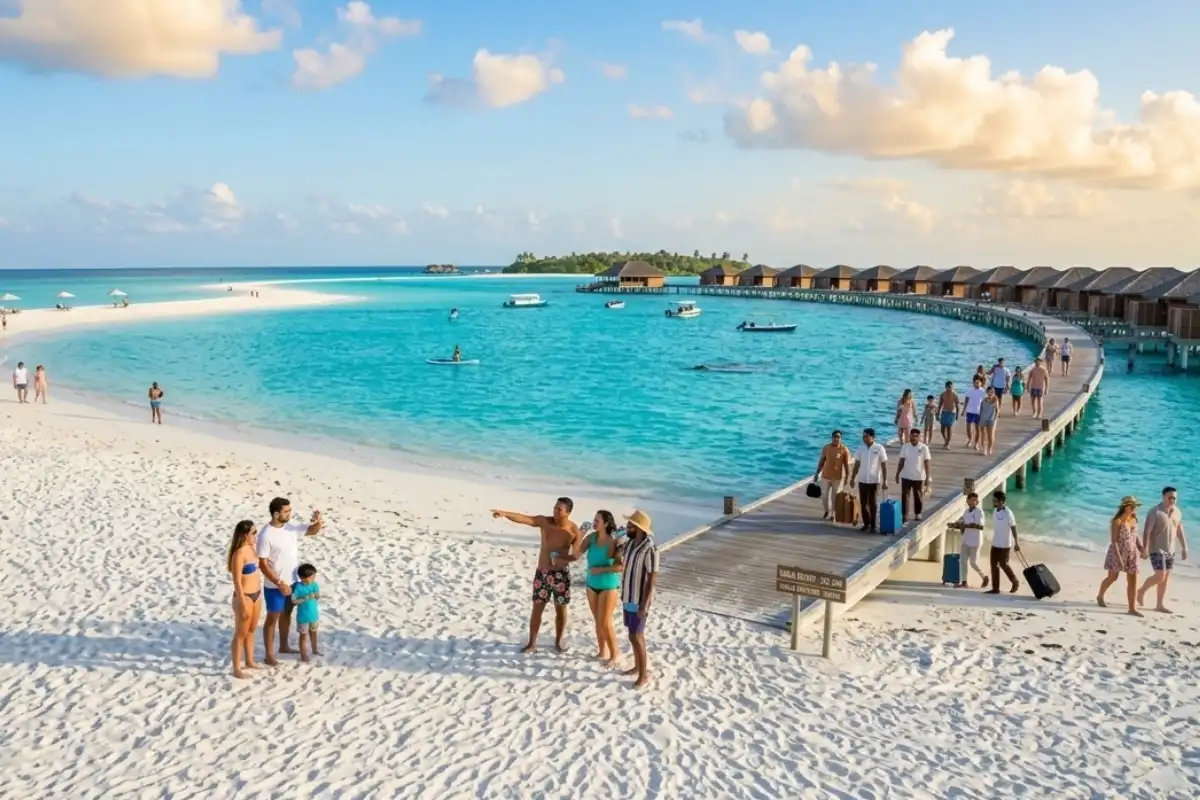
In 2026, the Maldives offers two distinct experiences. The traditional “One Island, One Resort” model provides total seclusion, while the growing “Local Island” movement in atolls like Vaavu or Kaafu allows for a more culturally immersive and budget-conscious adventure.
Estimated Daily Expenses for Maldivian Stays (September 2026) – Prices in USD ($)
| Type of Stay | Vibe & Privacy | Avg. Luxury Stay (night) | Traveler Perspective |
|---|---|---|---|
| **Ultra-Luxe Resort** | Total seclusion, private butler, seaplane access. | **$1,500 – $5,000** | Ideal for those seeking a “once-in-a-lifetime” overwater experience. |
| **Boutique Eco-Resort** | Sustainability-focused, solar-powered, reef-integrated. | **$600 – $1,200** | Preferred by modern travelers who value environmental ethics. |
| **Local Island Guesthouse** | Community-centric, authentic food, public beaches. | **$150 – $350** | **Budget Hack:** Best for world-class diving without the resort markup. |
2. Below the Surface: The Maldives’ Living Architecture
The true allure of the Maldives lies beneath the water line. The islands are built upon coral reefs that act as natural breakwaters. In 2026, many resorts have introduced “Marine Biologist in Residence” programs to help guests understand the delicate ecosystem they are visiting.
- **Hanifaru Bay:** Located in the Baa Atoll (UNESCO Biosphere Reserve), this is the world’s largest manta ray feeding station. In September, you can swim with hundreds of mantas simultaneously.
- **House Reefs:** When booking an overwater villa, prioritize resorts with a “close-access” house reef. This allows you to snorkel directly from your villa stairs into a world of reef sharks and sea turtles.
- **Underwater Dining:** In 2026, several atolls offer fine dining five meters below the surface, providing a panoramic view of the reef while you dine.
3. The Overwater Lifestyle: Design and Function
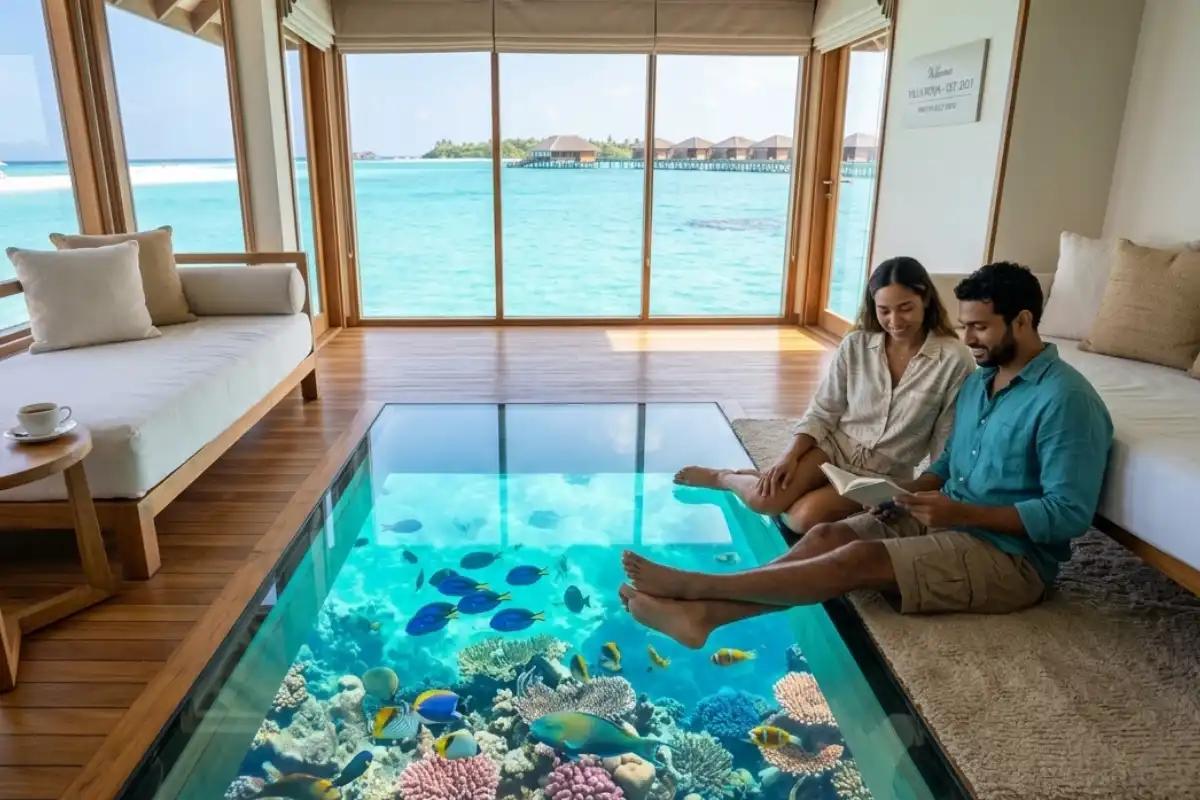
The overwater villa has evolved. Modern 2026 designs feature retractable roofs for stargazing, glass floor panels to view passing rays, and private infinity pools that blur the line between the villa and the Indian Ocean.
- **Sunset vs. Sunrise Villas:** Sunset villas are generally more expensive due to the spectacular views, but sunrise villas offer a cooler morning temperature for those sensitive to the tropical heat.
- **Seaplane Logistics:** Most luxury resorts require a seaplane transfer from Malé. These operate only during daylight hours. **Cost:** **$400 – $700** per person round trip.
- **Island Connectivity:** In 2026, satellite internet (Starlink) is standard even in the most remote atolls, making “work-from-paradise” a seamless reality.
4. Gastronomy: A Global Palette in a Remote Atoll
Logistics in the Maldives are a feat of engineering. Fresh ingredients are flown in daily from around the globe, yet 2026 has seen a surge in “Atoll-to-Table” dining, emphasizing local yellowfin tuna and coconut-based Maldivian curries.
Essential 2026 Dining Estimates:
- **All-Inclusive Upgrade:** $150 – $300 per day. (Highly recommended to avoid the “sticker shock” of individual meal prices on remote islands).
- **Private Sandbank Dinner:** $500 – $1,200 per couple. (The ultimate romantic experience involving a private boat and a chef under the stars).
- **Local Mas Huni Breakfast:** $15 – $25. (A delicious traditional mix of tuna, onion, coconut, and chili).
5. Logistics, Safety, and the 2026 Travel Environment
The Maldives is one of the safest destinations globally, but its geography requires specific logistical awareness. Moving between atolls isn’t as simple as catching a taxi; it requires coordinated sea or air transport.
- **Sun and Hydration:** The sun reflects off the white sand and water, doubling your UV exposure. Use biodegradable, reef-safe sunscreen to protect both your skin and the coral.
- **Baggage Limits:** Seaplanes have strict weight limits (usually 20kg–25kg). Excess baggage fees are high, so pack light with breathable, natural fabrics.
- **Cultural Respect:** While resorts are relaxed, when visiting local islands or the capital Malé, modesty is required (shoulders and knees covered). Alcohol is also strictly prohibited on local islands.
- **Health:** Most 2026 resorts have an on-site doctor. For diving, ensure your insurance covers emergency evacuation to a decompression chamber (located in Malé or Bandos).
6. The Maldives: Frequently Asked Questions
Is the Maldives sinking? What is the situation in 2026?
While the Maldives is the lowest-lying country in the world, the government has invested heavily in land reclamation and “floating city” projects. In 2026, tourism continues to thrive, with resorts implementing sophisticated sea-wall and reef-regeneration technologies to mitigate rising sea levels.
When is the best time to visit for clear water?
The clearest water and calmest seas are during the “Iruvai” (dry season) from December to April. However, September offers excellent value and is the best time for spotting large pelagic life like mantas and whale sharks.
Is the seaplane ride scary?
Most travelers find it the highlight of their trip. The planes fly at a low altitude, providing an incredible “string of pearls” view of the atolls. The take-offs and landings on water are remarkably smooth.
Can I visit the Maldives on a budget?
Yes. By staying on local islands like Maafushi or Dharavandhoo, you can experience the same crystal-clear seas for a fraction of the price. You can find high-quality guesthouses and local excursions that make the Maldives accessible for **$100–$200** per day.
Do I need a visa?
The Maldives issues a free 30-day visa on arrival for all nationalities, provided you have a valid passport, a return ticket, and proof of sufficient funds or a resort reservation.
Ready to wake up to the sound of the ocean beneath your floorboards? The sapphire heart of the Indian Ocean is waiting to welcome you.
Find Your Perfect Overwater Sanctuary