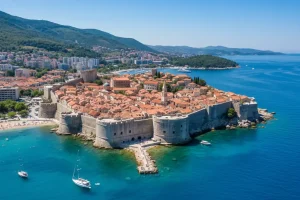
Lisbon Itinerary: 3 Days of Food, Views & History
Lisbon is a city of seven hills, golden light, and irresistible charm. Its winding streets, historic trams, and stunning viewpoints make it a perfect destination for a short city break. This 2025 guide provides a detailed 3-day itinerary, along with essential budget and safety tips to ensure you have a perfect trip.

A Perfect 3-Day Journey Through Lisbon
Lisbon is a city that captures the heart. Its unique blend of old-world charm and modern energy makes it a must-see for any traveler. This itinerary is designed to give you a taste of everything the city has to offer, from the historic Alfama district to the coastal beauty of Belém. We’ll cover how to see the best sights, where to find the most delicious food, and how to do it all without spending a fortune.
1. The Cost of a Bed: Budget-Friendly Accommodation
Lisbon has a fantastic range of hostels and budget hotels, and prices can be very reasonable, especially if you book in advance. The key is to choose a neighborhood that balances convenience with cost.
Hostel & Budget Accommodation Prices by Area (Average per night for a dorm bed, August 2025)
| Area | Description | Average Price (USD/night) | Pros for Budget Travelers |
|---|---|---|---|
| Alfama / Mouraria | Historic, hilly, and charming. Close to the castle and old-world streets. | $25 – $45 | Authentic atmosphere, central location, many free viewpoints. |
| Baixa-Chiado | Downtown hub, commercial area with shops and cafes. | $30 – $50 | Super convenient for transport and walking to sights, can be more expensive. |
| Bairro Alto / Cais do Sodré | Lively nightlife districts. | $20 – $40 | Best for social travelers, endless bars and restaurants, but can be noisy. |
| Alvalade / Arroios | Residential neighborhoods outside the main center. | $15 – $30 | Best value, quiet, and easily accessible via metro. |
Note: Prices are estimates for a dorm bed and are subject to significant fluctuation based on demand and season. Private rooms or budget hotels will be 2-3x more expensive.
Tips for Saving on Accommodation:
- Stay in Alvalade or Arroios: These residential neighborhoods offer a local experience and are just a few metro stops away from the city center, saving you a lot of money.
- Book Early: Lisbon is very popular, and prices for a bed can double or triple during the summer. Book your accommodation several months in advance to secure the best rates.
- Look for Freebies: Many hostels offer free walking tours or free dinners, which can save you a lot of money.
2. Eating on a Dime: Lisbon’s Budget Food Scene
Lisbon is a foodie’s paradise, and you can eat incredibly well on a tight budget. Avoid tourist-heavy restaurants in the main squares and look for local “tascas” (small, traditional restaurants).
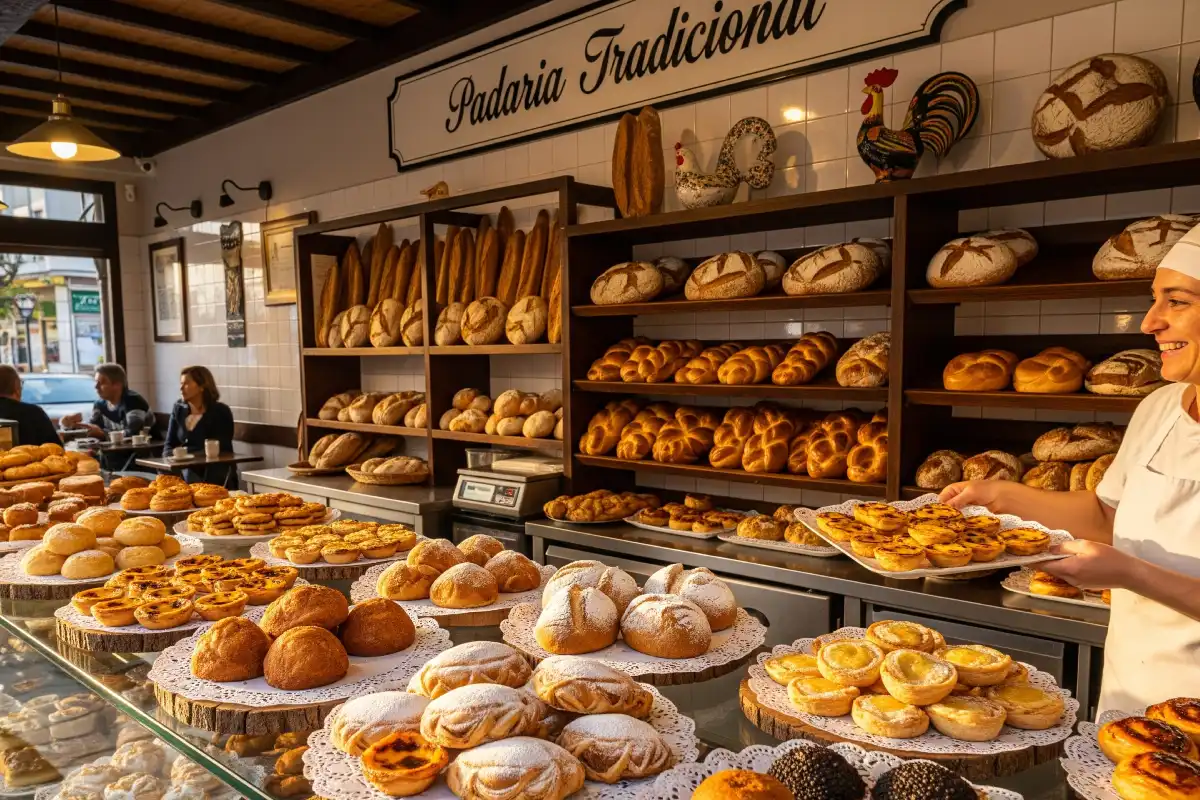
Estimated Budget Food Costs (August 2025):
- Breakfast: €3 – €7 (A coffee and a “pastel de nata” from a local bakery).
- Lunch: €8 – €15 (A “prato do dia” or a sandwich from a local spot).
- Dinner: €15 – €25 (A meal at a “tasca” or a takeaway from a food market).
- Daily Budget for Food: €30 – €50 if you are careful and use supermarkets and local spots.
Budget Eating Tips:
- Pastel de Nata: These custard tarts are an absolute must-try. You can get them for just over €1 at almost any bakery.
- “Prato do Dia” (Dish of the Day): Many local restaurants offer a daily special at lunchtime for a fixed price, including a drink, a main course, and sometimes a dessert or coffee.
- Supermarkets: Head to a Pingo Doce or Continente for cheap groceries. You can make your own sandwiches or get pre-made meals for a fraction of restaurant prices.
- Street Food & Markets: Explore markets like Time Out Market (though it can be pricey, it’s great for a taste) or find small shops selling “Bifana” (pork sandwich) or “Caldo Verde” (cabbage soup).
3. Getting Around: The Cost of Public Transit
Lisbon’s hills and cobbled streets make public transport a necessity. The system is efficient and affordable, and a travel card will be your best friend.
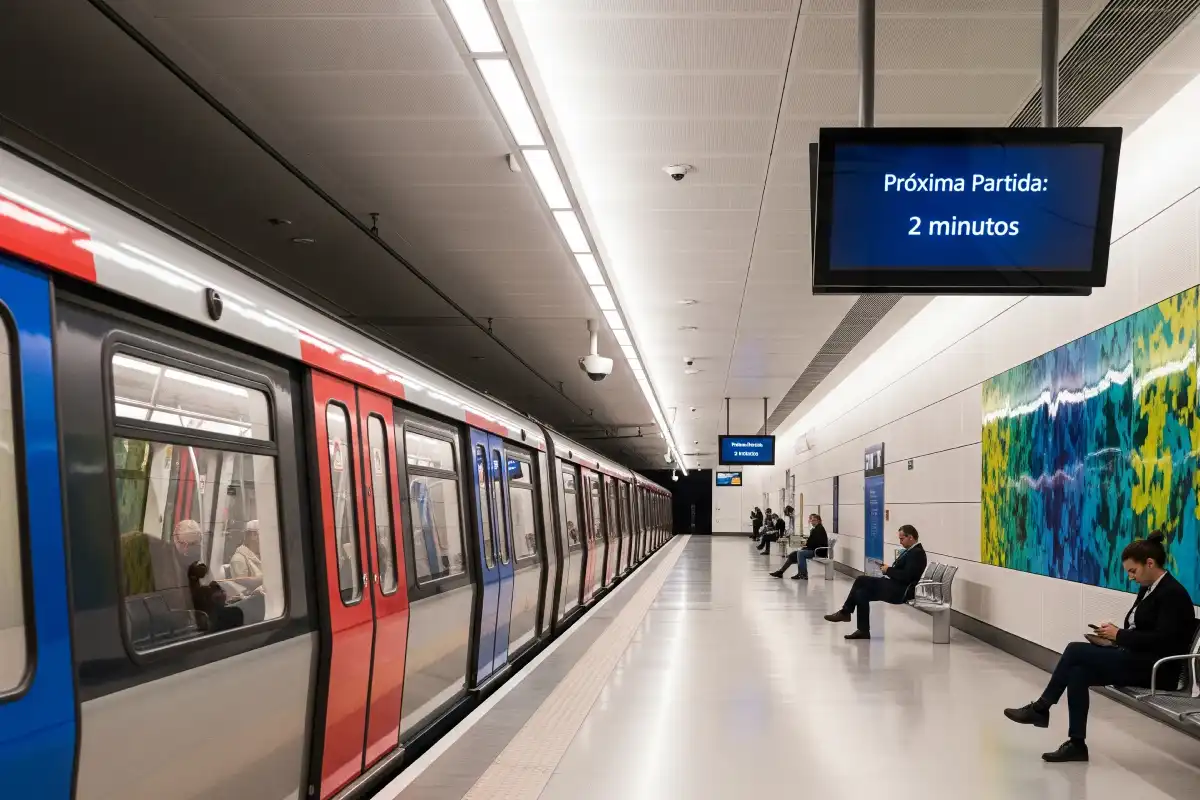
Fares (As of August 2025, subject to minor changes):
- Single Ticket: A single ticket costs €1.80 on the bus/tram.
- Viva Viagem Card: This rechargeable card is essential. You pay a €0.50 deposit, then load it with credit or a day pass. A single fare with the card is cheaper at €1.60.
- Day Pass (24h): A 24-hour pass costs €6.80 and covers the metro, buses, and trams (including the historic Tram 28). This is the most economical option if you plan on using public transport more than a few times a day.
Tips for Transportation:
- Ride the Historic Tram 28: It’s a key part of the Lisbon experience. Use your 24h pass and ride it early in the morning to avoid the biggest crowds.
- Walk to Discover: Lisbon is a city of discovery. While the hills are steep, walking allows you to find hidden “miradouros” (viewpoints), small cafes, and stunning architecture.
- Use the Elevators and Funiculars: The city’s famous funiculars and the Santa Justa Lift are tourist attractions but also part of the public transport network. A Viva Viagem card makes them accessible and affordable.
4. Staying Safe: Dangers, Scams, and Areas to Be Cautious
Lisbon is a relatively safe city, especially for tourists. The main concerns are petty theft and a few common scams, which can be easily avoided with a little common sense.
Common Dangers & Scams:
- Pickpocketing: The most prevalent crime. Be extra vigilant on crowded trams (especially Tram 28), in the metro, and in busy areas like Praça do Comércio. Keep your valuables secure and out of sight.
- “Drug” Scams: Tourists may be approached by individuals on the street in Bairro Alto or Baixa-Chiado offering to sell drugs. These are often fake and a distraction for pickpocketing. Politely decline and walk away.
- Fake Petitions: Be wary of people asking you to sign a petition. While you are distracted, a partner may attempt to steal your wallet or phone.
Areas Where Caution is Advised:
- Cais do Sodré & Bairro Alto at night: These nightlife districts can be very lively, but also very crowded and chaotic, especially on weekends. Stay aware of your surroundings and avoid walking alone in deserted alleyways.
- Martim Moniz Square: While an interesting multicultural area, it is known for having a higher concentration of petty crime. Be particularly vigilant with your belongings.
General Safety Advice:
- Use a Cross-Body Bag: This makes it much harder for a pickpocket to snatch your bag.
- Leave Valuables in Your Accommodation: Only carry what you need for the day. Leave your passport and extra cash in a secure locker or safe.
- Trust Your Gut: If a situation or an area feels unsafe, trust your instincts and leave.
- Emergency Numbers: In case of an emergency, dial 112.
5. Ensuring a Positive & Unforgettable Lisbon Trip
A positive attitude and a sense of adventure will help you make the most of your time in this beautiful city.

- Enjoy the Miradouros (Viewpoints): The best views are free. Find your favorite “miradouro” and enjoy the stunning panoramas of the city and the Tagus River. Miradouro de Santa Luzia is a must-see.
- Explore on Foot: The best way to experience Lisbon’s unique atmosphere is to wander its streets. Discover hidden fado houses, small cafes, and stunning tilework.
- Get Lost in Alfama: Alfama is the oldest district, a maze of narrow, winding streets. It’s impossible not to get lost here, and that’s the point. Every turn offers a new discovery.
- Visit the Time Out Market: While some food stalls can be expensive, the atmosphere is fantastic and it’s a great place to see a wide variety of Portuguese food in one place.
- Embrace Fado: Fado music is the soul of Lisbon. While Fado houses can be expensive, you can often hear singers performing in local bars in Alfama for a more casual and affordable experience.
6. Lisbon Travel FAQs (August 2025)
Is Lisbon a walkable city?
The central districts are very walkable, but be prepared for hills! The city is built on seven hills, so comfortable shoes are essential. The public transport system is excellent for longer distances or when you get tired of climbing.
What is the best way to get from Lisbon Airport (LIS) to the city center?
The metro is the cheapest and most efficient option. The Aeroporto (red) line connects directly to the city center. A single ticket costs around €1.60 with a Viva Viagem card.
Should I buy a Lisboa Card?
The Lisboa Card gives you free public transport and entry to many museums and attractions. It’s a good value if you plan to visit a lot of paid sights in a short time. If you prefer to walk and see free things, a simple Viva Viagem card with a 24h pass is a better choice.
What is the most famous food to try in Lisbon?
The most famous is undoubtedly the “Pastel de Nata.” For a more substantial meal, try “Bacalhau” (codfish), which is a staple of Portuguese cuisine, or a fresh seafood platter.
Are there any free things to do in Lisbon?
Absolutely! You can explore the streets of Alfama, visit many of the city’s viewpoints, stroll through the Parque Eduardo VII, and enjoy the free entry on the first Sunday of every month to some of the national museums.
Your Lisbon Journey Begins Now!
Lisbon is a city of endless discovery, from its delicious food to its stunning views and rich history. With this itinerary and these practical tips, you are ready to explore the city’s beauty without a worry. Enjoy your adventure!
Start Planning Your Lisbon Trip