Lake District in Spring: Lakes and Meadows
As we step into May 2026, the UNESCO World Heritage site of the **English Lake District** has fully awakened. The stark, dramatic whites of the Cumbrian winter have dissolved into a vibrant palette of emerald green fells and shimmering azure waters. Spring here is not just a season; it is a sensory revolution. From the bleating of newborn Herdwick lambs in the dales to the delicate scent of bluebells in ancient woodlands, the region offers a profound sense of renewal. According to the latest 2026 travel insights from Countryfile and frequent hikers on The Wainwright Society forums, the "shoulder season" is now the preferred window for those seeking the spirit of the lakes without the summer congestion. Whether you are a solo photographer or a family of explorers, the meadows of Cumbria are currently at their most poetic.
1. The Floral Canvas: From Daffodils to Bluebells
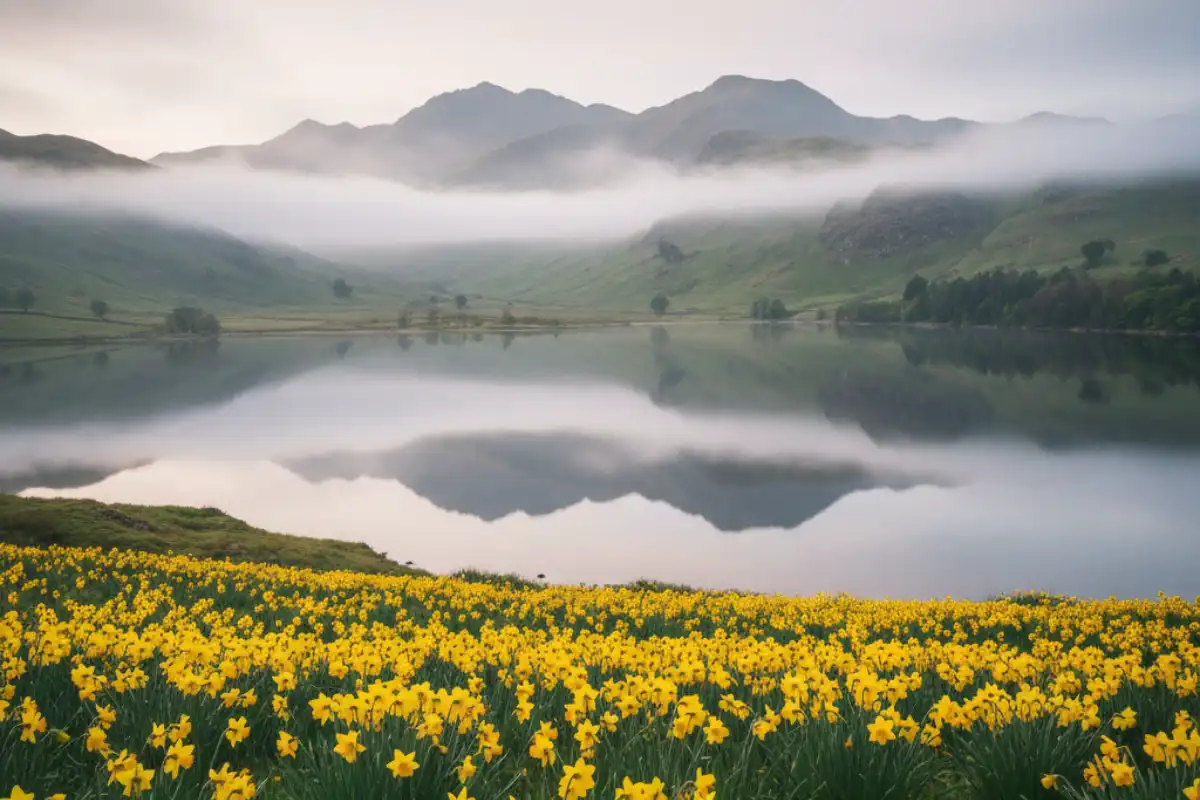
Spring in the Lake District is synonymous with the wildflowers that inspired William Wordsworth. In 2026, the timing of the bloom has been exceptionally favored by a mild April, leading to a “super-bloom” effect in several key valleys.
- **Glencoyne Bay (Ullswater):** This is the holy grail for daffodil lovers. It was here in 1802 that the Wordsworths saw the “golden host” that inspired the world’s most famous poem. In May, these are replaced by a lush green canopy.
- **Rannerdale Knotts (Buttermere):** Unlike most bluebells which thrive in shade, the bluebells here grow in open fells. By mid-May 2026, the hillside is expected to be an unbroken carpet of violet-blue, offering a rare floral landscape against the rugged backdrop of Crummock Water.
- **The Meadows of Grasmere:** The low-lying fields around the village are currently filled with buttercups and wild garlic, making for an aromatic walking experience.
2. Shimmering Waters: The Magic of the Lakes
In spring, the lakes possess a clarity that is often lost in the hazy heat of summer. The reflections of the snow-dusted high peaks in the mirror-flat water create a double-vision of beauty.
Pro-Tip: Sustainable Sailing
“For 2026, the push for eco-tourism is stronger than ever,” notes a regular contributor to The Westmorland Gazette. “Instead of driving, use the ‘555’ bus to reach Grasmere or Keswick, then take an electric launch on Derwentwater. The ‘Steamers’ on Ullswater also offer a ‘Spring Rambler’ ticket which allows you to hop off at one pier, hike the floral shoreline, and catch the boat back from the next stop.”
Hidden Gems: Loweswater and Buttermere
While Windermere is the most famous, those seeking quiet reflection should head west. **Loweswater** is particularly beautiful in spring, as its shores are less frequented and its ancient woods (Holme Wood) are a sanctuary for the rare red squirrel, which is highly active during the spring nesting season.
3. Spring Hiking: Reaching the Fells
While the valley floors are in full bloom, the high fells like **Helvellyn** and **Scafell Pike** may still hold patches of snow in their northern gullies. Spring hiking requires a hybrid mindset: preparedness for winter conditions up high and light layers for the warm meadows below.
- **Catbells:** Known as the “family favorite,” this short sharp climb offers the best “effort-to-view” ratio in spring, overlooking the lush Borrowdale Valley.
- **Loughrigg Fell:** A central hub of paths that provides views of both Windermere and Rydal Water. In May, the gorse bushes along the paths are a brilliant, fragrant yellow.
Frequently Asked Questions: Lake District Spring 2026
When is the best time to see bluebells in 2026?
The peak bluebell season in the Lake District usually falls between late April and mid-May. In 2026, the second week of May is projected to be the absolute pinnacle for the fells around Buttermere and the woods near Wray Castle.
Are the roads crowded during the spring bank holidays?
Yes, bank holiday weekends remain very busy. However, the Lake District National Park has improved its “Park and Sail” and bus infrastructure for 2026. Travelers are encouraged to use the £2 bus fare cap (if still active) or the many shuttle services to avoid parking stresses.
What should I wear for a spring hike in Cumbria?
Cumbrian weather is notoriously fickle. The “three-layer rule” is essential: a moisture-wicking base, a fleece mid-layer, and a reliable waterproof shell. Sturdy, waterproof boots are a must, as meadows can be very boggy after spring showers.
Can I see lambs on the fells?
Absolutely. Spring is lambing season for the famous Herdwick sheep. While they are adorable, it is vital to keep dogs on leads at all times and stay on marked paths to avoid distressing the ewes and their young.
Is Grasmere Gingerbread available year-round?
Yes, the legendary Sarah Nelson’s shop in Grasmere is open throughout the spring. Pro-tip: Buy a fresh pack and enjoy it while sitting by the Rothay River — it’s a quintessential Lake District experience that tastes best in the fresh spring air.
Conclusion: A Landscape of Inspiration
The Lake District in the spring of 2026 remains one of the world’s most evocative landscapes. It is a time when the weight of the fells is balanced by the lightness of the meadow flowers, and the silence of the lakes is punctuated by the life of the valley. By choosing to visit in May, you witness the region at its most optimistic. The meadows are calling, the waters are clear, and the fells are ready for those who wish to walk amongst the clouds. Your Cumbrian adventure starts where the green meets the blue.
Would you like me to help you design a 3-day “Wildflower & Water” itinerary that focuses on the best photography locations in the Southern Lakes for May 2026?