How to use public transportation safely in foreign countries
Using public transportation is the fastest way to experience a new city like a local, but it often places travelers in high-density, high-distraction environments. Whether it’s the bustling Paris Métro or a colorful tuk-tuk in Bangkok, safety is a combination of situational awareness and digital preparation. In 2026, safety goes beyond just watching your pockets; it involves managing your digital footprint and understanding the social dynamics of local commuting. We’ve synthesized advice from seasoned travelers on Reddit’s SoloTravel, Lonely Planet contributors, and safety experts to bring you this definitive guide.
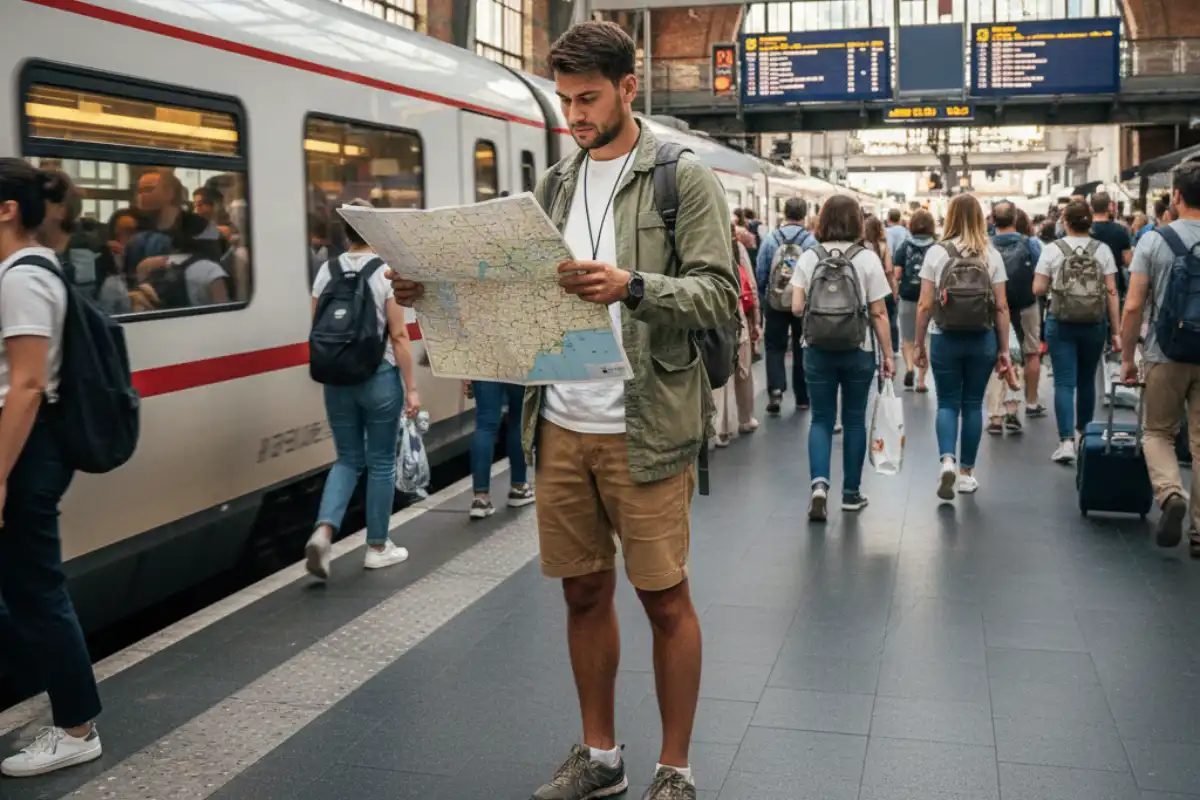
1. The “Ghost Mapping” Strategy
The moment you look lost, you become a target. Experienced travelers use a technique called “Ghost Mapping” to navigate without looking like a tourist.
- Offline Navigation: Download Google Maps or Citymapper for the entire city. Screen-record the route from your hotel to the destination so you can watch it as a video without looking like you’re actively searching.
- The “One Stop” Rule: Always identify the stop *before* yours. This allows you to stand up and move toward the exit early, avoiding the panicked rush that pickpockets love to exploit at the last second.
3. Night-Time Transit Ethics
Late-night travel requires a different set of rules. In many countries, the safety level of a train or bus changes drastically after 10 PM.
- The Driver’s Proximity: On buses or trams, always sit as close to the driver as possible. On trains, choose the car with the most people or the one with the emergency intercom.
- “Fake-Calling” Technique: If you feel followed, use your headphones to have a “conversation.” Mention that you are “almost at the station” and that you “see your friend waiting for you.” Predators look for isolated targets; having a perceived “observer” waiting for you reduces your vulnerability.
4. Digital Safety and E-Tickets
Physical wallets are becoming obsolete, but phones are now the primary target. If your phone is your ticket, its theft means you are also stranded.
Pro-travelers suggest ticket redundancy. Keep a printed QR code or a backup card tucked in a separate place (like a shoe or a hidden belt pocket). Additionally, use a wrist strap for your phone when using it on platforms to prevent “snatch-and-run” thefts by people on passing bikes or through closing train doors.
Frequently Asked Questions: Foreign Transit Safety
Is it safer to use ride-sharing apps or local taxis?
Generally, ride-sharing apps (Uber, Grab, Bolt) are safer because they offer GPS tracking, driver identification, and a digital paper trail. If you take a local taxi, ensure it has a visible meter and a registered ID on the dashboard.
What should I do if my bag is stolen on a train?
Do not chase the thief into unknown areas. Report it to the transit police immediately to get a “Police Report” for insurance. Immediately freeze your credit cards and use a “Find My Device” tool from a different phone or laptop.
Are “Women-Only” carriages available in every country?
No, but they are common in Japan, India, Brazil, and Egypt. Always check for pink signage on the platform or the floor indicating these zones if you are a solo female traveler seeking extra comfort.
How do I avoid getting scammed by “fake” transit officers?
Legitimate officers will always have a badge and usually a handheld card reader. They will never ask for cash on the spot or ask to take you to a “private room” without other officers present. If in doubt, offer to go to the official ticket window to pay the fine.
Should I carry my passport with me on public transport?
No. Leave your passport in the hotel safe. Carry a high-quality color photocopy or a digital scan on your phone. Most transit authorities will accept a copy of your ID if you are just a tourist commuting.
Conclusion: Confidence is Your Best Armor 🌍
Safety on foreign public transport isn’t about living in fear; it’s about active preparation. By blending in, securing your tech, and knowing the common scams before you land, you can focus on the view outside the window rather than the person behind you. Travel smart, stay alert, and let the journey be the highlight of your trip.