How to Try Rock Climbing Safely
Rock climbing is an exhilarating blend of physical strength and mental problem-solving. In 2026, with the sport’s popularity reaching new heights, more people than ever are trading treadmills for vertical walls. However, the excitement of reaching the summit should never overshadow the foundational protocols of safety. Whether you're heading to a local bouldering gym or planning your first outdoor crag trip, safety is a habit, not a one-time check. We’ve gathered wisdom from veteran climbers on Reddit’s climbing, safety experts from the American Mountain Guide Association (AMGA), and seasoned instructors to ensure your first vertical steps are as secure as they are fun.
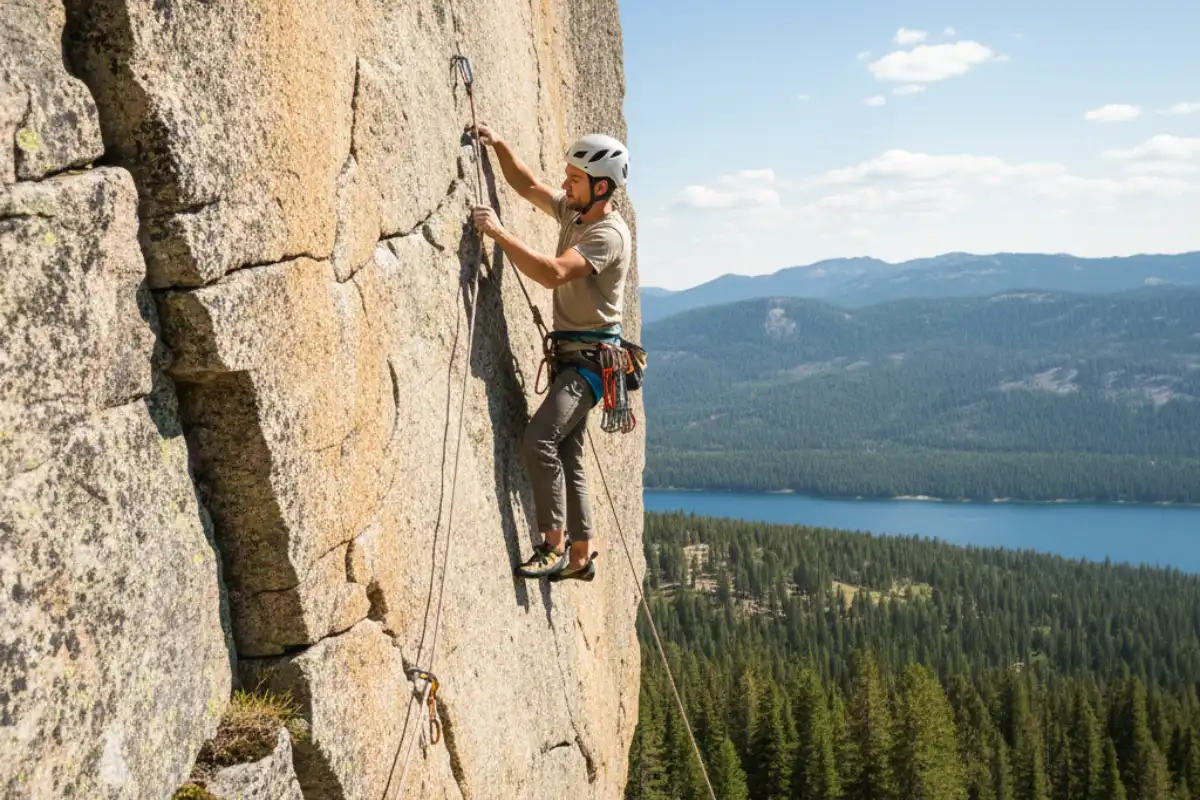
1. Start at the Gym: The Controlled Environment
Expert climbers universally recommend starting in a certified indoor climbing gym. Modern gyms in 2026 offer highly maintained autobelays, thick safety mats, and professional staff who can provide immediate feedback on your technique.
- The “Double Check” Culture: Always perform a “Partner Check.” Even if you are an expert, check your harness buckle and your partner’s knot. In a gym setting, never clip into an autobelay without confirming the carabiner is locked.
- Bouldering Safety: Bouldering (climbing without ropes) carries its own risks. The most common gym injuries happen during falls. Learn to roll onto your back rather than landing stiff-legged to protect your ankles and knees.
“The biggest mistake beginners make is over-gripping the holds. It’s not just about arm strength; it’s about footwork. Use your legs they are much stronger than your arms. If your arms feel like lead after five minutes, you’re not trusting your feet enough.” — Insights from a veteran instructor on the UK Climbing forums.
2. Essential Gear and Common Pitfalls
While most gyms allow you to rent gear, knowing what keeps you safe is part of the learning curve. Don’t rush into buying advanced “aggressive” shoes; start with neutral, comfortable footwear that lets you focus on your movement.
Safety Checklist for Beginners:
- The Harness: Ensure it sits above your iliac crest (waist bones) and is tight enough that you can only fit two fingers between the belt and your body.
- The Helmet: Mandatory for outdoor climbing. It protects you not just from falls, but from debris or dropped gear from climbers above you.
- The Belay Device: Learn to use an assisted-braking device (like a Petzl Grigri) which provides an extra layer of security during a fall.
Avoid the “Too Much, Too Soon” trap. Many beginners try to climb 4-5 times a week immediately. Your muscles grow faster than your tendons and ligaments, and overtraining is the fastest route to a finger or elbow injury that can sidelong you for months.
3. Transitioning Outdoors: The Real Deal
Outdoor climbing is a different beast entirely. There are no color-coded routes or soft mats. If you are moving to the “crag,” hiring a certified guide is non-negotiable for your first few trips.
- Loose Rock Awareness: Natural rock can break. Always wear a helmet and be mindful of the “fall zone” the area directly beneath a climber where falling rocks might land.
- Communication: Establish clear verbal signals with your belayer before you leave the ground. Wind or distance can make it hard to hear, so signals like “On Belay” and “Climbing” must be distinct.
Climbing Safety: Frequently Asked Questions
Is rock climbing dangerous for beginners?
Statistically, indoor climbing is very safe when protocols are followed. Most injuries are minor (scrapes or strained fingers). Danger levels increase significantly outdoors without proper training, which is why a certified instructor is essential for the transition.
What is the best way to avoid finger injuries?
Warm up properly! Spend at least 15-20 minutes on easy “traversing” (moving sideways low to the ground) and dynamic stretching. Avoid “crimping” (small, sharp holds) until your fingers have had a few months to adapt to the stress of climbing.
Do I need a partner to start climbing?
No. You can start with bouldering or using autobelays in a gym. Most gyms also have “partner boards” or social nights where you can meet other beginners and learn belaying together under staff supervision.
What should I wear for my first time climbing?
Wear flexible, breathable athletic clothing. Avoid very baggy clothes that could get caught in gear. Long pants are often better than shorts to protect your knees from being scraped against the textured walls.
How do I know if my belayer is reliable?
A good belayer is attentive, keeps their “brake hand” on the rope at all times, and isn’t distracted by their phone or others in the gym. If you aren’t comfortable with someone’s technique, don’t climb with them. Your life is literally in their hands.
Conclusion: Rise Higher, Stay Safer 🧗♂️
Rock climbing is more than just a workout; it’s a community and a skill that can last a lifetime. By prioritizing technique over ego and safety protocols over speed, you ensure that every climb is a step toward mastery. Respect the wall, trust your gear, and never stop learning.