How to travel with chronic illness safely
Living with a chronic illness whether it's an autoimmune disorder, diabetes, heart condition, or chronic pain doesn't mean you have to sacrifice your wanderlust. However, successful international travel requires heightened preparation, careful planning, and a deep understanding of your medical needs in various environments. The biggest hurdle is transforming the fear of a flare-up or medical emergency into **proactive management and contingency planning**.
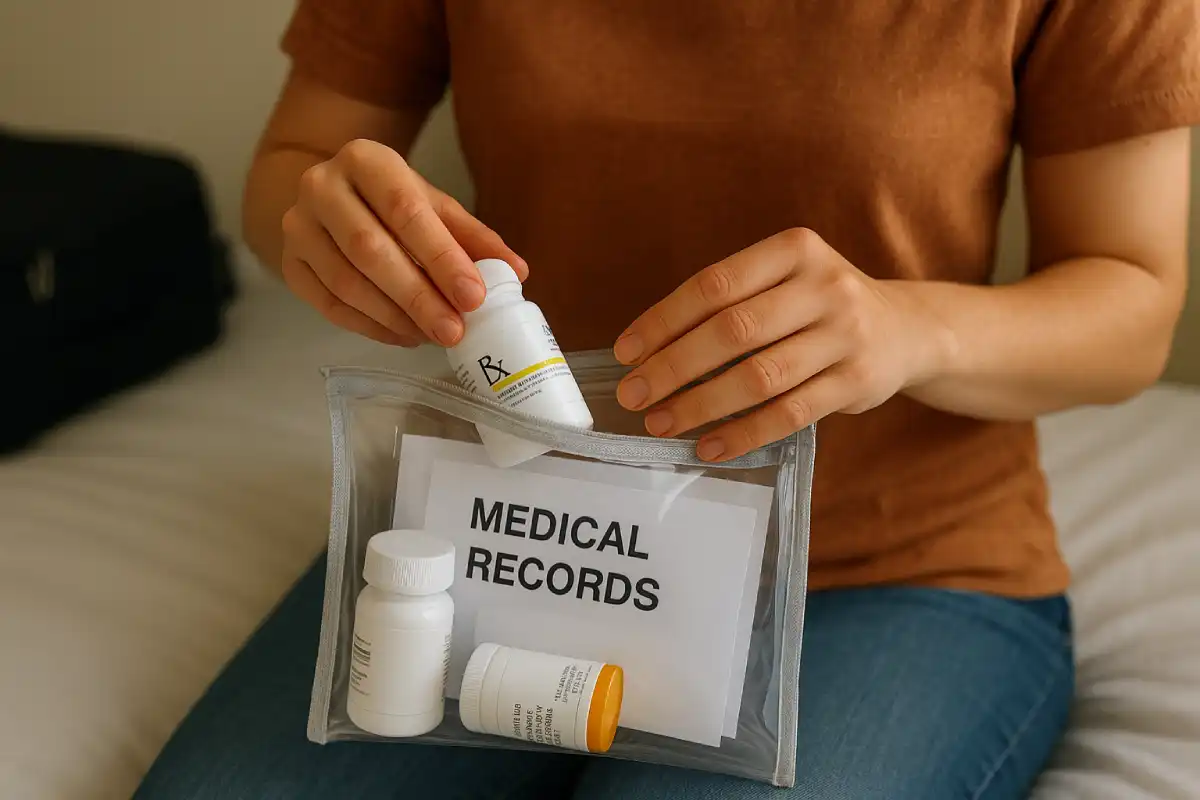
Medical Documentation and Insurance Essentials 📋
In a foreign medical setting, clear, accessible documentation is your voice.
1. The Traveler’s Medical Packet
Create a physical packet that travels with you at all times, separate from your main passport:
- **Doctor’s Letter:** Obtain a signed letter from your physician explaining your condition, detailing all medications (by both **generic and brand names**), and confirming the need for syringes or medical devices (if applicable). Have this translated into the primary language of your destination.
- **EHR Access:** Know how to quickly access your Electronic Health Records (EHR) digitally, or carry printouts of recent tests and diagnoses.
- **Emergency Contacts:** List your primary doctor, a family member, and their phone numbers and emails.
2. Specialized Travel Insurance
Standard travel insurance often excludes pre-existing or chronic conditions:
- **Declare Everything:** Be completely transparent about your chronic illness when purchasing insurance. Failure to disclose can void your policy during an emergency claim.
- **Pre-existing Condition Coverage:** Purchase a policy that explicitly includes coverage for pre-existing conditions. This is often an add-on, but it is essential for covering flare-ups or complications.
- **Emergency Evacuation:** Ensure your policy includes high-limit **Emergency Medical Evacuation** coverage, as transporting you from a remote area to a major medical hub can cost tens of thousands of dollars.
Chronic Traveler’s Hack: Sarah M., Disability Advocacy Forum
“I wear a brightly colored, stylish **medical alert bracelet or necklace** that clearly states my primary condition (e.g., ‘Type 1 Diabetes’ or ‘Severe Penicillin Allergy’) and my main medication. In a situation where I am unable to communicate, this speaks for me and prevents critical, potentially dangerous delays in receiving appropriate care.”
Medication Management and Logistics ✈️
Medication security and adherence are the most common points of failure for chronic travelers.
1. The Carry-On Rule and Dosage
Never check essential medication in your checked luggage, as bags can be lost, delayed, or subject to temperature extremes:
- **In Original Containers:** All prescription medication must remain in its original pharmacy-labeled container. This is crucial for clearing security and customs.
- **The 50% Buffer:** Pack at least 50% more medication than you need for the planned duration of your trip. Delays are inevitable, and scrambling for a foreign pharmacy is stressful.
- **Temperature Control:** If your medication requires refrigeration (e.g., insulin, biologics), invest in a high-quality, long-lasting **medical cool bag or insulated pouch**. Do not rely on flight attendants for fridge space.
2. Navigating Airports and Time Zones
Plan for the physical and logistical stresses of travel days:
- **Time Zone Strategy:** Discuss complex dosing schedules (e.g., medications taken every 12 hours) with your doctor before you leave. Create a clear, written time-zone adjustment plan for your medications.
- **Pre-Check-in Support:** If you require mobility assistance or need to carry medical supplies (like extra liquids or needles), contact the airline 48-72 hours in advance to arrange pre-boarding and clear the process with TSA/security staff.
Long-Term Traveler’s Must-Do: Ben W., Health and Travel Magazine
“Before an extended trip, I contact the manufacturer of my primary medication and ask them for a list of authorized distributors or affiliated pharmacies in my destination country. This saves me hours of panic-searching if I run out or lose my supply, ensuring I don’t get stuck buying potentially counterfeit medication.”
Frequently Asked Questions About Traveling with Illness
How do I find a reputable doctor abroad if I have a flare-up?
Start by calling your **travel insurance provider’s 24/7 hotline**. They have lists of trusted, often English-speaking, doctors and hospitals within their network. Alternatively, contact your **country’s embassy or consulate**; they maintain lists of recommended local medical providers.
What is the safest way to carry syringes or needles through airport security?
Keep all supplies in their original, sealed containers. Carry them with your **doctor’s letter** and the medication they are intended for. Inform the security agent *before* screening begins that you have medical supplies, and they will typically screen them visually rather than physically handle them.
Can I drink the local water if I have a chronic gut or autoimmune condition?
When in doubt, always assume the answer is **no**. Even in places where the water is generally “safe,” a traveler with a compromised immune system can react poorly. Stick to bottled water, use a high-quality filter bottle (like Grayl), and remember to use bottled water for brushing your teeth and rinsing produce.
How should I approach a multi-day hike or strenuous activity?
Discuss the specific itinerary with your doctor and get their clearance. Plan for **lower energy levels** and schedule more rest days than you typically would. Carry an **emergency stash of rapid-acting medication** and simple, accessible energy sources (like glucose tabs or high-protein snacks).
Is it advisable to disclose my illness to hotel staff?
Yes, especially if your condition is severe or requires immediate intervention (e.g., severe allergies, a heart condition). Inform the front desk upon check-in. This allows them to know which number to call for local emergency services and to direct help to your room quickly if requested by a companion.
Conclusion: Prioritize Health, Maximize Experience
Traveling with a chronic illness is an act of empowerment. By accepting the need for meticulous preparation, you gain control over potential risks, transforming uncertainty into confidence. The process is demanding: it involves organizing complex documents, securing specialized insurance, and building flexibility into your schedule. But by prioritizing your health by treating every aspect of your travel logistics as part of your treatment plan you ensure that your chronic condition becomes a managed element of your adventure, not a barrier to experiencing the world.