How to travel safely in the United States
This comprehensive guide details **how to travel safely and confidently in the United States**, providing essential advice from seasoned travelers and specialized safety agencies. We cover critical areas like road trip preparedness, city public transport security, health insurance, and handling the unexpected challenges presented by the sheer scale of the American landscape. By adopting these proactive measures, international visitors can minimize risk and fully enjoy their American adventure.
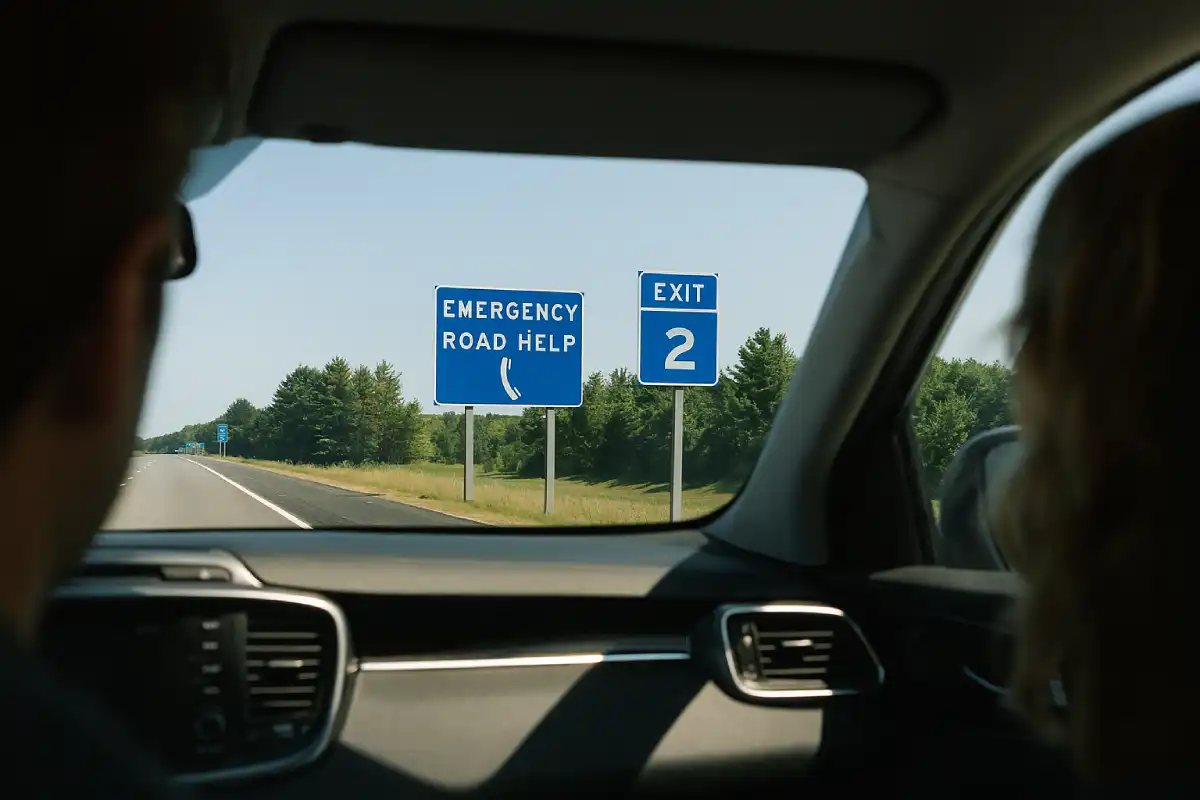
Safety on the Move: Driving and Public Transit 🚗
The US relies heavily on personal vehicles, making road safety and awareness paramount.
1. Road Trip Safety: The American Way
Driving in the US can be challenging due to high speeds and vast distances.
- **Right-Hand Turn on Red:** In most states, turning right on a red light (after a full stop) is legal unless otherwise marked. Be aware of this rule and local variation.
- **Keep Doors Locked:** For security in unfamiliar areas, always keep your car doors locked, even while driving. This is a common local practice.
- **Fuel Up Early:** When traveling cross-country or through remote states (like the Mountain West), never let your fuel tank drop below half. Gas stations can be dozens of miles apart.
- **Respect Traffic Stops:** If pulled over by police, remain in your vehicle, keep your hands visible on the steering wheel, and wait for the officer to instruct you to move or reach for documents. This is standard US protocol.
2. Navigating Urban Public Transport
In major cities, public transit is efficient but requires vigilance.
- **Nighttime Awareness:** While using subways and buses at night, stick to crowded, well-lit areas near the driver or conductor.
- **Valuables:** Keep your phone and wallet secure and out of sight. Avoid flashing expensive jewelry or electronics.
- **Ride-Share Confirmation:** If using a service like Uber or Lyft, always confirm the driver’s name and the license plate number before getting into the car.
Solo Traveler’s Advice: Ben C., Travel Journalist
“If you are embarking on a cross-country road trip, download **offline maps** (like Google Maps or a dedicated GPS app) for the states you’ll be passing through. Cellular service is surprisingly spotty in many rural and national park areas, and relying solely on a live signal for navigation is a dangerous mistake.”
Health, Financial, and Situational Awareness 🚨
Preparation in these areas can prevent minor issues from becoming major crises.
1. Mandatory Health Insurance
The US healthcare system is excellent but extremely expensive for non-residents.
- **Travel Health Insurance:** It is **absolutely essential** to purchase comprehensive travel health insurance that covers medical emergencies and, ideally, medical evacuation. A simple overnight hospital stay can cost tens of thousands of dollars.
- **Emergency Number:** Know that the universal emergency number in the United States is **911** for police, fire, or medical assistance.
2. Common Scams and Financial Security
Scams often target tourists in high-traffic areas.
- **The “Spill” Scam:** A person may “accidentally” spill a drink or food on you. While you are distracted cleaning up, their accomplice attempts to pickpocket you. Immediately distance yourself from the person and secure your belongings.
- **ATM Awareness:** Use ATMs located inside banks or major stores, not isolated street machines, to reduce the risk of skimming or robbery.
- **Official Look-Alikes:** Be wary of unsolicited contacts demanding immediate payment (e.g., claiming to be immigration officials or utility workers). Legitimate authorities will almost never demand payment by gift card or cash on the spot.
3. Respecting Natural Hazards
The US has extreme climate diversity.
- **Hydration and Sun:** In the Southwestern deserts (Arizona, Nevada) and throughout the summer, dehydration and sunstroke are serious risks. Carry more water than you think you need.
- **Wildlife in National Parks:** Observe all warnings regarding bears, bison, and other wildlife. Maintain recommended distances and store food properly to avoid dangerous encounters.
Insurance Analyst Tip: Maria L., International Expat Magazine
“Prior to your trip, use your phone to **take clear pictures of the parking spot number** or level when parking in a large airport or shopping center garage. It sounds simple, but the sheer size of American infrastructure means it’s incredibly easy to lose your car and waste hours trying to find it.”
Frequently Asked Questions About US Travel Safety
Is it generally safe to walk alone at night in large US cities?
It depends heavily on the specific city and neighborhood. In general, **stick to well-lit, heavily trafficked main streets** in tourist areas (like Times Square or downtown Chicago). Avoid shortcuts through deserted side streets, parks, or industrial zones, especially after 10 PM. Always be aware of your surroundings and avoid looking distracted by your phone.
What should I do if I get lost while driving on a US highway?
If you miss an exit, **do not stop or slow down in the travel lane.** Continue driving to the next exit and safely turn around there. Pull over to a well-lit rest area or a gas station to check your maps rather than stopping on the side of a busy interstate highway.
How should I handle panhandlers or aggressive solicitors in urban areas?
The safest approach is to give a polite but firm **”No, thank you”** and keep walking. Avoid making eye contact and never engage in lengthy conversations. If they persist, immediately walk into a nearby open business or crowded public area.
Are there special rules for hiking in US National Parks?
Yes. **Never feed wildlife** and stay on marked trails to avoid erosion and getting lost. Always tell someone your specific hiking plan (trail name, start time, expected return) before heading out. Check the park’s visitor center for current fire risks, trail closures, and water availability.
What is the best way to carry my passport and other documents?
Carry your **passport securely on your body** using a money belt, hidden pouch, or deep inner pocket. Carry a **photocopy** of your passport and visa separately in your day pack. When possible, leave your original passport locked in your hotel safe and only carry a high-quality copy for day-to-day ID.
Conclusion: Informed Travel is Safe Travel
Traveling safely in the United States requires awareness of its specific cultural and logistical nuances, particularly around driving, healthcare costs, and the scale of its geography. By planning your routes carefully, securing comprehensive health insurance, and maintaining a high degree of situational awareness in urban areas, you build a reliable safety framework. Approach the US with respect for its diversity and its vastness, and you’ll be well-prepared for a memorable and safe journey.