How to Travel During Off-Peak Seasons
Peak season travel characterized by sweltering weather, astronomical prices, and elbow-to-elbow crowds at every landmark often delivers more stress than serenity. The savvy traveler knows that the true magic lies in the **off-peak seasons**, often referred to as the "shoulder seasons" (spring and autumn) or the true low season (winter, in many destinations). Traveling outside the main rush unlocks a triple-threat advantage: significantly lower costs, fewer crowds, and a more authentic cultural experience.
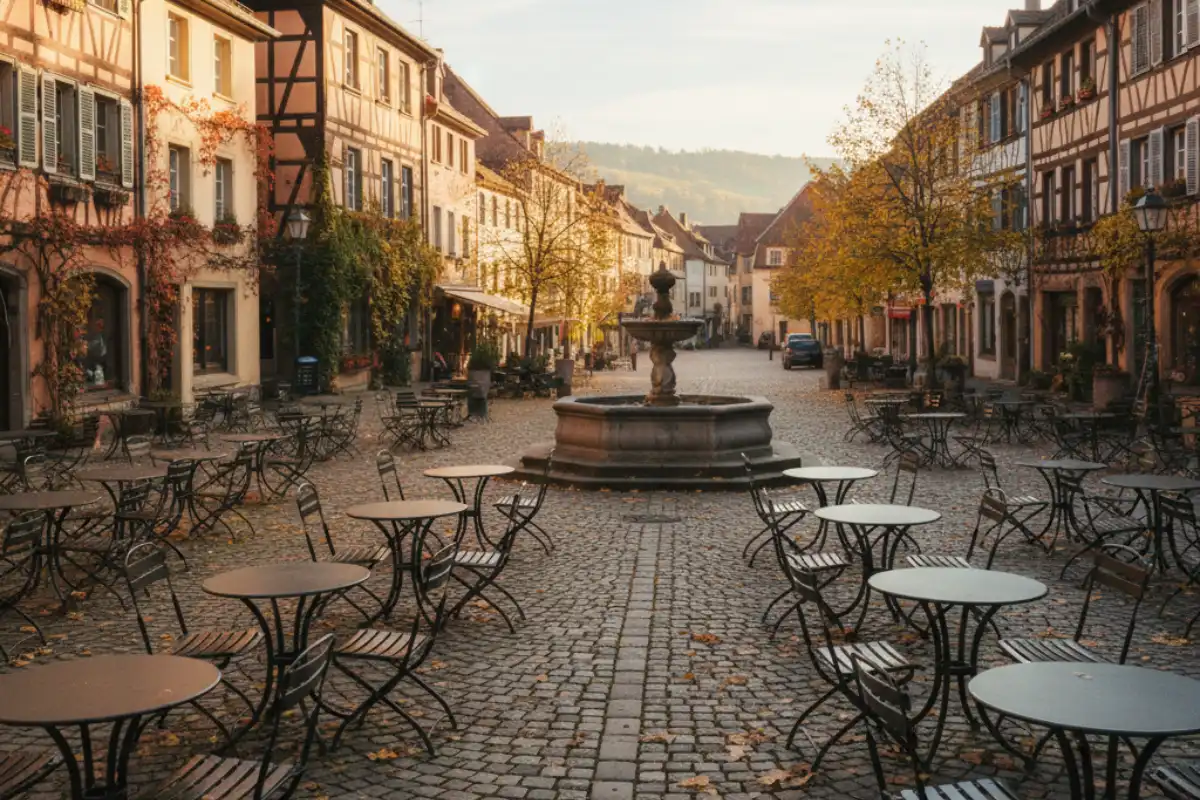
The Financial and Crowd Benefits: Why Off-Peak Wins 💰
The primary motivations for low-season travel are cost reduction and enhanced experience quality.
1. The Accommodation and Flight Dive 📉
Airlines and hotels rely on peak season demand to offset quieter periods. Outside of school holidays (mid-June to August, and end of December), prices typically drop dramatically:
- **Flights:** Travel mid-week (Tuesday or Wednesday) during the shoulder season (e.g., late April or early November) to find the absolute lowest fares.
- **Hotels & Rentals:** Hotel rates can fall by **30% to 50%** in the low season. You also gain leverage to negotiate upgrades or secure flexible booking terms simply because properties have high vacancy rates.
- **Attractions:** Many tours and activities offer discounted rates or special packages to encourage bookings during slow months.
2. Serenity and Local Connection 🧘
The absence of crowds changes the entire dynamic of a destination:
- **Better Photos:** You can capture iconic landmarks without hundreds of strangers in the frame.
- **Deeper Immersion:** Local restaurant owners, shopkeepers, and guides are less harried and have more time to interact with you, leading to richer conversations and better insider recommendations.
- **Less Waiting:** Forget two-hour lines for museums or famous temples. Your time is spent exploring, not queuing.
Budget Traveler’s Insight: Jen, from a Popular Travel Finance Blog
“My biggest hack is traveling the first two weeks of December or the last two weeks of January. Everyone thinks about Christmas travel, but the quiet period immediately before and after the holidays offers unbelievable deals. In many parts of Europe, you get the charm of winter lights without the crushing crowds and inflated prices.”
Managing the Off-Peak Trade-Offs: Weather and Closures 🌦️
Traveling off-peak requires careful planning around the lower season’s downsides.
1. Embrace and Prepare for Variable Weather ☔
The weather is the main gamble of the shoulder and low seasons.
- **Layering is Key:** Pack adaptable clothing waterproof jackets, warm sweaters, and thermal layers. Rain is manageable; freezing cold is not if you’re unprepared.
- **Flexibility in Itinerary:** Have indoor activity backups (museums, cooking classes, local markets) ready for unexpected downpours.
- **Seek the Silver Lining:** Bad weather can create beautiful photographic opportunities, like misty mountains or dramatic skies, offering a unique perspective you won’t get in sunny August.
2. Dealing with Reduced Services 🚧
In many coastal or seasonal resort towns, local businesses shut down during the low season.
- **Research Closures:** Always verify the operating hours of small restaurants, remote ferries, or specialized tours. Don’t rely on peak-season hours listed online.
- **Embrace Simplicity:** Be prepared to rely on self-catering or central, year-round establishments. The trade-off is often better authenticity and lower costs, even if options are fewer.
Seasoned Explorer’s Strategy: David, Adventure Travel Journalist
“Never assume the ferries or mountain trains run as frequently outside of summer. I once got stranded for an extra day because the last boat of the day left five hours earlier in October. The fix is simple: **call or email local transport providers directly** to confirm their exact off-season schedule rather than relying on outdated websites.”
Frequently Asked Questions About Off-Peak Travel
What is generally considered ‘shoulder season’ in most of the Northern Hemisphere?
The shoulder season typically falls during **April to May** (late Spring) and **September to early November** (early Autumn). These periods offer a great balance: weather is usually mild, major crowds are gone, and most tourist infrastructure (hotels, main attractions) is still operating fully.
Does ‘off-peak’ apply the same way to tropical destinations?
Not always. In tropical areas, the low season often coincides with the **rainy or hurricane season** (e.g., June through October in the Caribbean or Southeast Asia). While prices are lowest, you face a higher risk of heavy storms or travel disruption. The shoulder season here is often just before or after the rainy period.
Will I be lonely if I travel in the low season?
You won’t be lonely, but you will find fewer tourists and backpackers. Instead, you’ll meet more **locals** and other dedicated, independent travelers. This often leads to deeper, more meaningful social connections than surface-level interactions in crowded hostels during peak summer.
Is it worth visiting major attractions if scaffolding or maintenance is happening?
Maintenance often happens during the low season because the sites are closed or less busy. It’s a risk you take. However, the price reduction and lack of crowds often make up for it. Check recent visitor photos on social media or official websites before booking if a specific landmark is your main reason for visiting.
How far in advance should I book flights for off-peak travel?
The standard 2-to-3-month window still applies, but you can sometimes find excellent last-minute deals (3-4 weeks out) because airlines are trying to fill seats. If you are extremely flexible, setting up price alerts for two or three off-peak months gives you the best chance to snag a steep discount.
Conclusion: The Smart Path to Deeper Travel
Traveling during off-peak seasons is a deliberate choice for the discerning adventurer. It means trading guaranteed sunshine for authentic local warmth and trading inflated prices for genuine serenity. By strategically planning your bookings, embracing flexible weather, and verifying local service availability, you unlock a superior travel experience. You save significant money, avoid the stressful crush of crowds, and gain the priceless reward of seeing a destination through the quiet, unvarnished lens of its everyday life.