How to Spot and Identify Birds While Traveling
In 2026, "Avitourism" (birdwatching travel) has soared in popularity. Traveling offers a unique chance to see species that don't exist in your backyard, transforming a standard vacation into a high-stakes scavenger hunt. But spotting a rare bird in a foreign jungle or a busy European park isn't just about luck it’s about trained observation and the right digital toolkit. Whether you're exploring the cloud forests of Ecuador or the coastal cliffs of Portugal, this guide combines the wisdom of Audubon Society experts with real-world "field hacks" from the Birding Subreddit and professional wildlife photographers.
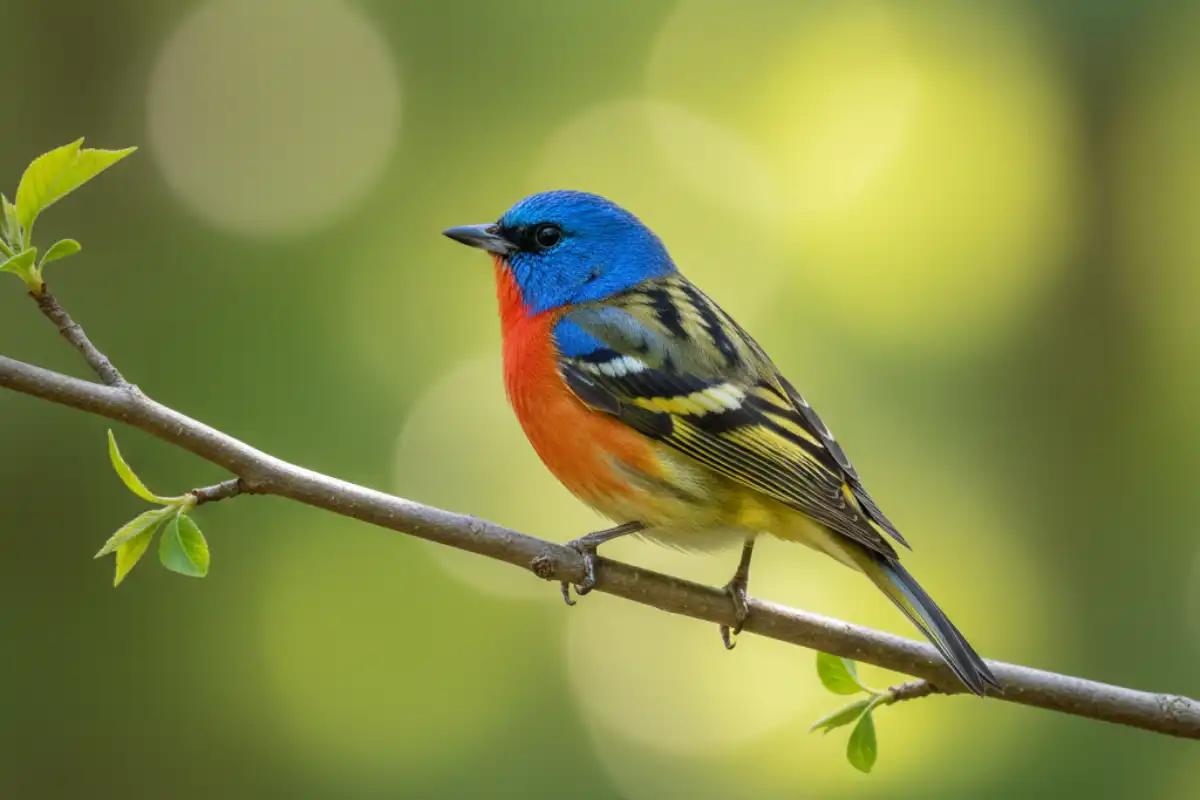
1. The Modern Birder’s Digital Arsenal
Gone are the days of lugging around three-pound encyclopedias. In 2026, your smartphone is your most powerful identification tool, provided you have the right apps installed before you lose cell service.
- Merlin Bird ID: Developed by the Cornell Lab of Ornithology, this is the gold standard. Use the “Sound ID” feature to identify birds by their songs in real-time a game changer for spotting birds hidden in thick foliage.
- eBird: Use this to find “hotspots” near your hotel. It shows you exactly what other travelers have spotted in the last 24 hours.
- Inaturalist: Great for broader wildlife identification, connecting you with a community of scientists who can confirm your sightings.
“Don’t just look for movement; look for ‘shapes that don’t belong.’ A perfect oval in a mess of jagged branches is often an owl or a raptor. Also, keep the sun at your back whenever possible, or you’ll only see black silhouettes.” — Expert tip from a veteran birding guide on a specialized travel forum.
2. Field Skills: How to Actually “See”
Spotting birds is a mental exercise in pattern recognition. Most beginners look directly at the trees, but experts scan the edges of habitats.
| Where to Look | Why it Works |
|---|---|
| The “Edge” Zone | Where forest meets meadow; birds love the diversity of food and cover. |
| Skyline Silhouettes | Many raptors and vultures use thermals along ridges to hunt. |
| Water Sources | Every bird needs to drink; early morning at a lake is prime time. |
| Utility Lines | Perfect vantage points for kingfishers, shrikes, and swallows. |
3. Choosing Travel-Friendly Optics
You don’t need a $2,000 telescope to enjoy birding while traveling. For 2026, the trend is toward compact “ED” (Extra-low Dispersion) glass that fits in a jacket pocket.
- 8×32 or 8×42: These are the “sweet spot” for travel. The 8x magnification is easy to hold steady, and the 32mm or 42mm lens lets in enough light for dawn/dusk viewing.
- Monoculars: If you’re an ultralight backpacker, a high-quality monocular offers half the weight of binoculars with surprising clarity.
- Phone Scoping: Buy a cheap adapter that clips your phone to your binoculars. It allows you to take high-quality “telephoto” photos without a massive camera lens.
Birding While Traveling: Frequently Asked Questions
What is the best time of day to see birds?
The “Dawn Chorus” (sunrise to about 10:00 AM) is when birds are most active and vocal. If you aren’t an early riser, the “Golden Hour” before sunset is the second-best window as birds forage before roosting.
How do I identify a bird I only caught a glimpse of?
Focus on four things: Size (compared to a crow or sparrow), Main Colors, Beak Shape (thin for bugs, thick for seeds), and Behavior (was it soaring, hopping, or trunk-climbing?). Note these in your phone immediately.
Is “pishing” (making bird-like noises) ethical?
Pishing can draw birds out of cover, but use it sparingly. In high-traffic tourist areas or during nesting season, it can stress the birds. Never use recorded bird calls in National Parks as it can disrupt territorial behaviors.
What are the best “Birder Destinations” for 2026?
Costa Rica and Colombia remain the leaders for sheer numbers, but for 2026, Georgia (the country) and the Japanese Alps are trending for their unique migratory “bottlenecks.”
How can I birdwatch in a busy city?
Look for botanical gardens, old cemeteries, or large central parks. These act as “islands” for migratory birds. Even a hotel balcony with a view of some trees can surprise you with urban-adapted species.
Conclusion: Every Trip is a Safari 🌲🦉
Learning how to spot birds changes the way you see the world. Suddenly, a layover in a foreign airport or a walk to a cafe becomes an opportunity for discovery. By using modern apps and sharpening your observation skills, you add a layer of depth to your travels that most tourists completely overlook. Keep your eyes up and your binoculars ready.