How to share your travel plans with family
Sharing your travel plans isn't just a courtesy; it's a vital component of **personal safety and family reassurance**. Whether you're embarking on a solo backpacking adventure or taking a complex international trip, your family needs clear, actionable information to know you're safe and to act quickly in an emergency. The key is establishing a system that is both **comprehensive** for them and **low-effort** for you.
The Essential Information Packet 📁
Before you leave, prepare a single, secure digital folder accessible to one or two trusted family members (your primary contacts).
1. The Detailed Itinerary Document
This document should include all confirmed reservations and contact details:
- **Accommodation List:** Full name, address, and phone number for every hotel, hostel, or rental. Include booking confirmation numbers.
- **Flight/Transport Details:** All flight numbers, departure/arrival times, and confirmation codes. For long train/bus journeys, list the company name and approximate schedules.
- **Emergency Finance Info:** Note which credit cards you are carrying and their corresponding emergency *cancellation* phone numbers. Do **not** include the card numbers themselves.
- **Insurance Policy:** A digital copy of your **Travel Insurance Policy** details, including the policy number and the 24/7 emergency assistance phone number.
2. Critical Document Copies
While you carry the originals, your family should have secure copies:
- **Passport and Visa:** A clear photo or scan of your passport’s photo page and any necessary entry visas.
- **Prescription List:** A list of all prescription medications you carry (generic and brand names) and your doctor’s contact information.
Digital Nomad’s Security Rule: Alex J., Tech Travel Magazine
“I use a password-protected document shared via a secure cloud service (like Google Drive or Dropbox) for my emergency packet. I only share the password verbally with my primary contact. This prevents sensitive information from being emailed or passed around insecurely, ensuring my financial and medical details stay confidential unless absolutely needed.”
Real-Time Communication and Expectations 📲
The biggest cause of family worry is silence. Set a clear communication rhythm.
1. The Digital Check-In Routine
Establish a low-effort system for daily or weekly updates:
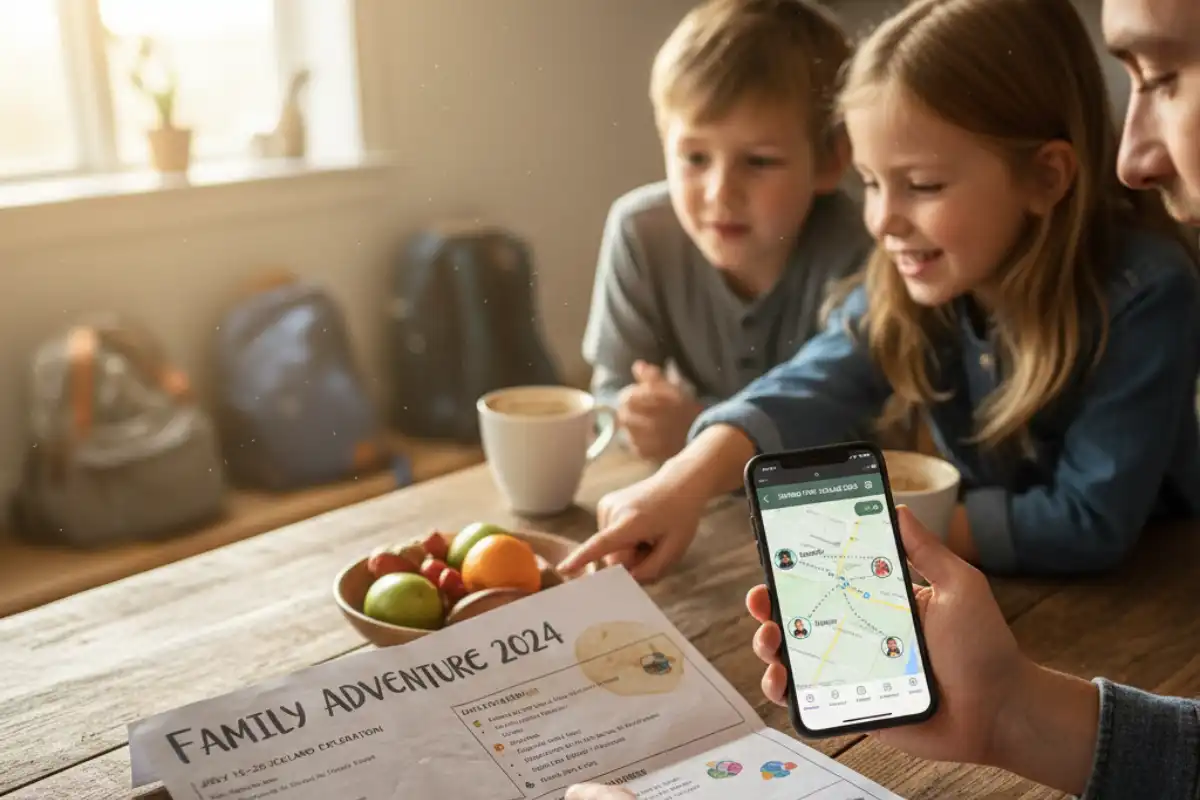
- **Live Location Sharing:** Set up a permanent location share via an app like **WhatsApp Live Location** or **Google Maps’ Location Sharing** with your primary contact. This is the single best way to ensure peace of mind, as they can see where you last were without constant texts.
- **Scheduled Check-Ins:** Agree on a specific frequency (e.g., “I’ll text every morning when I have coffee” or “I’ll call every Sunday”). Stick to this schedule, even if the communication is brief (“I’m safe, arrived at the hostel!”).
- **Time Zone Buffer:** Clearly communicate the local time zone and how it differs from home. Missed check-ins are often just a time zone misunderstanding.
2. Setting Communication Boundaries
Managing expectations prevents unnecessary stress for both parties:
- **”No News Is Good News” Policy:** Clearly state that if they don’t hear from you exactly on time, it likely means you have no Wi-Fi or have been delayed, not that you are in danger. Emphasize that you will contact them immediately if a problem occurs.
- **Emergency Contact Protocol:** Designate one family member as the **Primary Contact** (the recipient of all documents and live location). If other family members get worried, they should be directed to contact this primary person, not you, to avoid a flood of stressful messages.
Long-Term Backpacker’s Strategy: Anna R., Travel Forum Post
“I use an email trick for my safety. I book all my hostels and flights using my primary contact’s email address in the booking system, so they automatically receive the confirmation emails. It gives them real-time, third-party verification of my accommodation and movements, and I don’t have to manually update them every single time I book something.”
Frequently Asked Questions About Sharing Travel Plans
What is the absolute minimum information I must share with family?
The absolute minimum you must share is the **first night’s accommodation details (address, phone)**, the **flight number and arrival time**, and the **24/7 travel insurance emergency number**. This information allows them to trace you or start contacting authorities if you miss your scheduled arrival.
Should I leave a house key with my family?
Yes. Leave a key and a list of utility shut-off locations (water, gas, electricity). This ensures they can access your home to deal with emergencies like bursts pipes, forgotten stove burners, or mail collection, without needing to contact you while you’re traveling.
Is it safe to share copies of my passport/credit cards with someone?
It is safe **only** if shared digitally in a **password-protected file** or on a highly encrypted, private drive (like a secure vault app) with one, fully trusted contact. This is essential for replacing documents if they are lost or stolen, but must be done with caution to maintain digital security.
What is the best way to contact family if I have no Wi-Fi or data?
The most reliable method is still a **local pay phone or a friend’s phone** for a quick international call, or sending an SMS/text message. If you are desperate, most airports and large train stations still have free, limited-time public Wi-Fi access that can be used for a quick email or WhatsApp text.
How often should I call versus text/message?
For routine check-ins, **text or message** is best, as it respects time zones and local circumstances. Reserve **phone calls** for the initial departure, major transitions (e.g., arrival at a new country), or scheduled weekly updates. Calls are higher effort and more intrusive than a quick text.
Conclusion: Travel Freely, Communicate Clearly
The freedom of travel is amplified when your support network at home feels secure. By systematically preparing and sharing a detailed emergency information packet and establishing clear, consistent communication protocols especially utilizing passive tools like live location sharing you manage worry and minimize the need for reactive contact. This discipline ensures that your focus remains on the adventure, knowing that in the unlikely event of an emergency, your family has all the information required to assist you immediately.