How to Practice Mindful Walking in Natural Settings
In a world obsessed with speed and screens, mindful walking offers a profound antidote. It is the simple yet powerful practice of bringing your full, non-judgmental attention to the act of walking itself and the environment you are in. When practiced in nature, this technique often related to the Japanese concept of **Shinrin-Yoku (Forest Bathing)** becomes a highly effective tool for stress reduction, cognitive restoration, and emotional well-being.
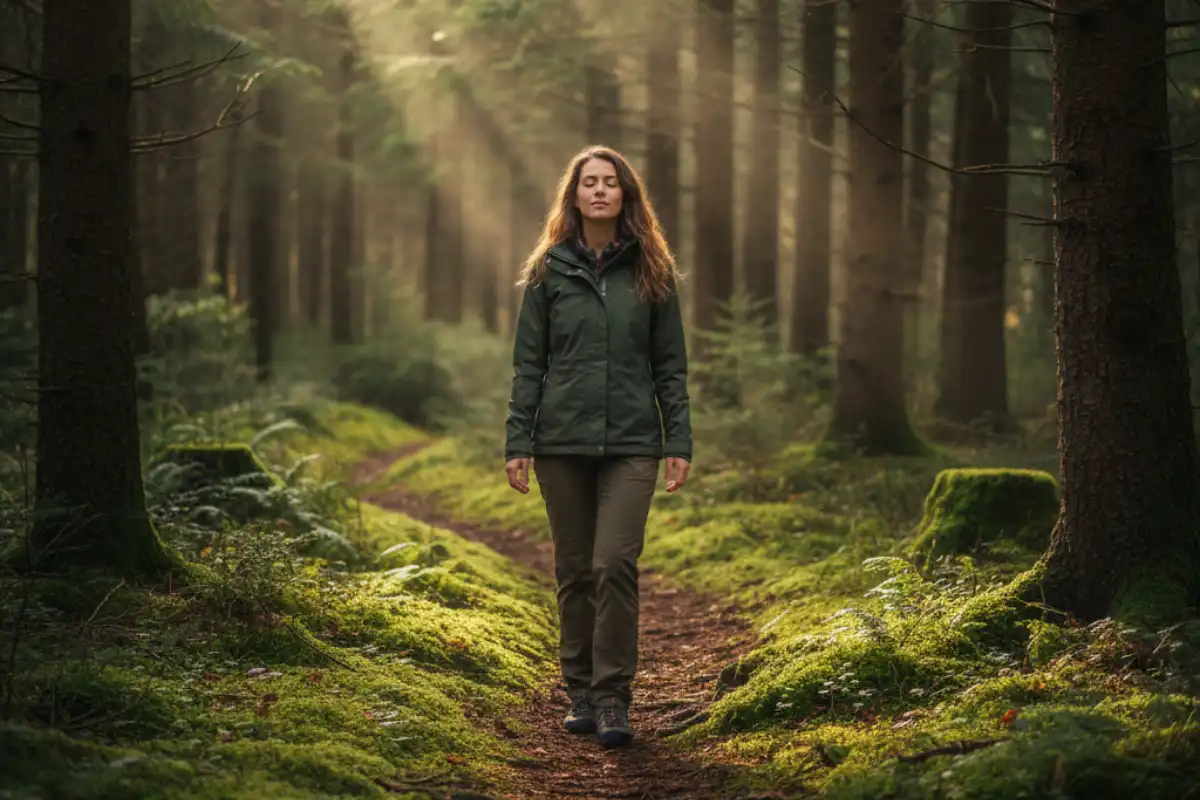
Setting the Intention and Pace 🧘♀️
Before you even take your first step, establish the right mindset and physical approach.
1. Disconnect and Declutter
The first rule of mindful walking is to remove all distractions:
- **Leave the Device Behind:** Put your phone on silent or, ideally, leave it in your bag only to be used for emergencies or photos *after* the walk. Do not listen to music or podcasts.
- **No Destination Pressure:** Select a route that is easy and familiar. The goal is not mileage; it’s presence. Plan to walk slowly, roughly half the speed of your normal pace.
- **Set a Timeframe:** Commit to a specific duration (e.g., 20 or 40 minutes) rather than a distance. This removes the urge to rush or check progress.
2. The Anchor: Breath and Feet
Use your body as the primary focus to keep your mind from drifting:
- **Synchronize Movement and Breath:** Inhale slowly over two steps, and exhale slowly over the next two or three steps. This creates a rhythm that grounds the mind.
- **Feel the Earth:** Pay meticulous attention to the sensation of your feet: the lift of the heel, the slight swing of the leg, the placement of the foot, the roll from heel to toe, and the contact with the ground. This specific focus keeps you tethered to the present moment.
Mindfulness Teacher’s Note: Dr. Ellen Wu, Journal of Applied Psychology
“Many people find it difficult to start slowly. Try taking your first five minutes to walk at a **snail’s pace**, focusing only on the slow, deliberate lift and placement of each foot. This intense focus acts as a powerful transition from your busy thoughts into the meditative state, setting the tone for the rest of your walk.”
Engaging the Five Senses in Nature 🌲👂
Nature provides countless anchors; use them sequentially to deepen your experience.
1. Sequential Sensory Focus
Dedicate a few minutes to each sense before moving to the next:
- **Sight (3 Minutes):** Soften your gaze. Look for colors you might usually miss (the moss green, the bark texture). Focus on the way light hits the leaves. Avoid labeling or judging what you see.
- **Hearing (3 Minutes):** Close your eyes briefly, or look down. Tune in to the farthest sound (wind in the trees, distant stream), then the nearest sound (footsteps, insects).
- **Smell (3 Minutes):** Take deep, slow breaths. Focus on the scent of damp earth, pine needles, or fresh air. This is where the therapeutic benefits of **phytocides** (natural oils from plants) are often accessed.
- **Touch (3 Minutes):** Stop and touch something: the cool bark of a tree, a smooth stone, the texture of a leaf. Notice the temperature and texture without hurrying.
2. Managing the Wandering Mind
The mind will inevitably wander this is not a failure, but an opportunity:
- **The Gentle Return:** When you notice your mind planning dinner, worrying about work, or running through a to-do list, gently acknowledge the thought without judgment (“Ah, thinking about tomorrow”) and deliberately redirect your attention back to your breath or the feeling of your feet.
- **Open Awareness:** After practicing the sequential focus, let your awareness open to all senses simultaneously, allowing the forest to simply wash over you as you maintain your slow, deliberate pace.
Nature Walker’s Personal Account: Lisa R., Wellness Forum
“I struggled with the ‘no goal’ aspect at first. I started bringing a tiny notebook and pen. Every time my mind started racing, I would stop and write down one word to describe my environment ‘Cool,’ ‘Bark,’ ‘Chirp.’ This gave my analytical mind a small task, which surprisingly helped me settle back into the present moment without feeling restless.”
Frequently Asked Questions About Mindful Walking
Do I have to walk in a dense forest to practice mindful walking?
No. While forests offer the greatest sensory input (Shinrin-Yoku), mindful walking can be practiced anywhere in nature a city park, a beach, or even a backyard garden. The key is the **intentional presence** you bring to the walk, not the specific location. Choose a place where you feel relatively safe and calm.
What if my mind keeps wandering? Am I doing it wrong?
Absolutely not. Mind wandering is a normal function of the human brain. The *practice* of mindfulness is not about achieving a blank mind, but about noticing when the mind has wandered and gently bringing your attention back to your anchor (the feet, the breath, a sound). This act of returning is the central exercise.
Is it better to walk alone or with a partner for this practice?
While you can practice with a partner in silence, **walking alone is strongly recommended** for beginners. Conversation or even the feeling of being observed can break the concentration and shift your focus outward. Alone, you can fully embrace the slow pace and internal focus required for deep mindfulness.
Should I use any specific breathing technique while walking?
A simple **ratio breathing** technique is often used: Inhale for 2 steps, exhale for 3 or 4 steps. The longer, slower exhale activates the parasympathetic nervous system (the ‘rest and digest’ system), which helps calm the body and mind, maximizing the stress-reduction benefits of the practice.
How does mindful walking differ from regular exercise walking?
Regular exercise walking is focused on cardiovascular health, distance, and burning calories (a future-oriented goal). Mindful walking is focused on **awareness, presence, and sensory engagement** (a present-oriented goal). The speed is often much slower, and the purpose is psychological and emotional well-being, not physical exertion.
Conclusion: Finding Peace in Every Step
Mindful walking is an accessible, profound form of meditation that costs nothing and requires only intentionality. By slowing your pace, engaging your senses with the natural world, and practicing the gentle art of returning to the present moment, you leverage the restorative power of nature. Make time for this practice, and you will find that the paths you walk will not only lead you through beautiful landscapes but also lead you toward a greater sense of calm and presence in your daily life.