How to Explore New York City Without Going Broke: A 2025 Budget Guide
Dreaming of the Big Apple but worried about the cost? This essential guide, updated for August 2025, shows you how to navigate New York City on a budget, from finding cheap places to stay and eat to using public transit and staying safe. Your adventure awaits, wallet intact!

Unlocking the Big Apple on a Budget
New York City is often seen as an expensive destination, a place where a single cup of coffee can feel like a small investment. While it’s true that the city can drain your funds quickly, a visit to the Big Apple doesn’t have to break the bank. With some smart planning and local knowledge, you can experience the energy, culture, and iconic sights of NYC for a fraction of the cost. This guide is your key to a fantastic and affordable trip, helping you save money on everything from sleeping to eating and getting around.
1. The Cost of a Bed: Budget-Friendly Accommodation
Your biggest expense in NYC will likely be accommodation. The key is to find a balance between location and price. Staying in Manhattan will always be the most expensive option, but venturing to the outer boroughs can provide significant savings without sacrificing accessibility.
Hostel & Budget Accommodation Prices by Area (Average per night for a dorm bed, August 2025)
| Area | Description | Average Price (USD/night) | Pros for Budget Travelers |
|---|---|---|---|
| Midtown Manhattan | Heart of the city, close to major sights (Times Square, Central Park). | $65 – $120+ | Central location, walkable to many attractions. |
| Lower East Side / East Village | Trendy, artistic, and vibrant nightlife. | $55 – $100 | Great vibe, excellent food scene, more local feel than Midtown. |
| Brooklyn (Williamsburg) | Hipster hub, great cafes, vintage shops, and Manhattan views. | $50 – $90 | Trendy and lively, easy access to Manhattan via the L train. |
| Queens (Long Island City) | Residential and industrial, incredible skyline views. | $45 – $80 | Extremely close to Manhattan (just one subway stop away), great value. |
| Harlem | Historic, rich culture, and more space. | $40 – $75 | Affordable, culturally rich, less touristy. Well-connected by subway. |
Note: Prices are estimates for a dorm bed in a hostel and are subject to significant fluctuation based on demand and season. Private rooms or budget hotels will be 2-3x more expensive.
Tips for Saving on Accommodation:
- Book Early: The best deals are found months in advance, especially for popular seasons.
- Consider Hostels: Hostels in NYC have improved greatly. They offer a social atmosphere and communal kitchens, which are a huge money-saver.
- Stay in the Boroughs: Areas like Long Island City, Queens, and Williamsburg, Brooklyn, offer a great mix of affordability, local culture, and quick subway access to Manhattan.
- Look for “Off-Season” Deals: The coldest months (January-February) and late summer (August-September) often have lower prices due to fewer tourists.
2. Eating on a Dime: NYC’s Budget Food Scene
Forget fancy restaurants. The real culinary soul of New York City lies in its cheap, delicious, and diverse street food and local eateries. You can eat like a king for under $30 a day if you know where to look.

Estimated Budget Food Costs (August 2025):
- Breakfast: $5 – $10 (Coffee and a bagel from a local deli or a bodega).
- Lunch: $8 – $15 (Pizza slice, halal cart meal, or a deli sandwich).
- Dinner: $10 – $20 (Noodle soup in Chinatown, a gyro from a food truck, or a taco from a taqueria).
- Daily Budget for Food: $25 – $45 if you stick to street food and local spots.
Budget Eating Tips:
- Pizza by the Slice: A classic New York slice can be found for as little as $3-$5. It’s a cheap, filling, and essential NYC experience.
- Halal Carts & Food Trucks: These are everywhere and offer large, delicious portions for under $10. Look for the lines of locals that’s how you know it’s good.
- Bodegas & Delis: These small corner shops are a New York staple. You can grab a breakfast sandwich, a coffee, or a pre-made sandwich for a fraction of restaurant prices.
- Chinatown & Flushing, Queens: These neighborhoods offer some of the city’s most affordable and authentic Asian cuisine, from dumplings to noodle soups.
- Supermarkets: Stock up on snacks, water, and picnic supplies at a supermarket to save on daily costs.
3. Getting Around: The Cost of Public Transit
New York City’s public transport system, primarily the subway and buses, is the most efficient and affordable way to explore. A car is an unnecessary expense and a logistical nightmare in the city. The subway system runs 24/7 and will be your best friend.
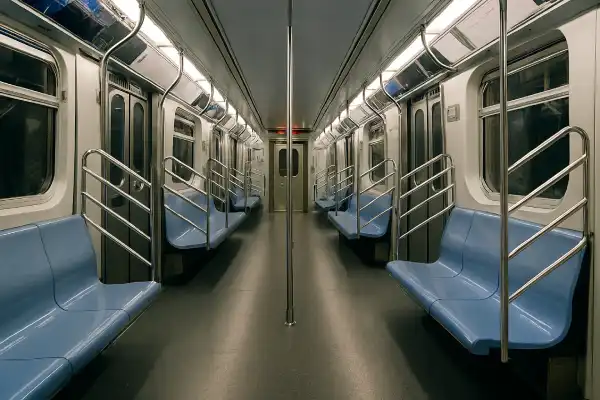
Fares (As of August 2025, subject to minor changes):
- Single Subway/Bus Fare: A single ride costs $2.90. You can pay with a contactless credit card, debit card, or phone’s digital wallet directly at the turnstile using the new OMNY system.
- Unlimited Ride MetroCard: For longer stays, a 7-day unlimited pass costs $34. This is a fantastic deal if you plan to use the subway more than 12 times a week.
- Fares with OMNY: The OMNY system has a “fare capping” feature. Once you’ve paid for 12 rides in a week (totaling $34.80), any additional rides for that week are free. This means you don’t even need to buy the unlimited pass anymore you just tap and go.
Tips for Transportation:
- Use OMNY: Ditch the old MetroCard. Use your contactless payment method (phone, credit card) for a smoother and more convenient experience. The fare capping will automatically kick in.
- Walk, Walk, Walk: The best way to see the city is on foot. Many neighborhoods, like Greenwich Village and the Upper West Side, are best explored by walking.
- Avoid Taxis: Taxis and ride-hailing services like Uber are very expensive, especially during peak hours. Save them for late nights or when carrying heavy luggage.
- Know Your Routes: Familiarize yourself with the subway map before you go. Google Maps is your best tool for real-time subway and bus directions.
4. Staying Safe: Dangers, Scams, and Areas to Be Cautious
New York City is a very safe city for tourists, but like any major metropolis, it requires common sense and vigilance. The main risks are petty theft and scams, which can be easily avoided with a few simple precautions.
Common Dangers & Scams:
- Pickpocketing: Crowded subway cars, Times Square, and major tourist attractions are hotbeds for pickpockets. Keep your wallet, phone, and passport in a secure, front pocket or a cross-body bag.
- “CD & Street Performance” Scams: In tourist-heavy areas, particularly around Times Square and Central Park, people may try to give you a “free” CD or engage you in a street performance. They will then aggressively demand payment. Simply say “no, thank you” and keep walking. Do not engage.
- Overcharging Scams: Be wary of unofficial vendors selling tickets or souvenirs. Always buy from official booths or websites.
- The “Shell Game”: This is a classic scam where a person plays a three-card monte or shell game on the street. It’s rigged, and you will lose your money. Just walk by and do not get involved.
Areas Where Caution is Advised:
- The Subway (Late at Night): While the subway runs 24/7, it’s best to be aware of your surroundings, especially if you’re traveling alone late at night. Stick to the middle cars where the conductor is and avoid empty cars.
- Tourist Hotspots: Places like Times Square and the area around the Empire State Building are generally safe but are prime locations for scams and pickpockets. Stay alert.
- Avoid “The Hoods”: It’s best to stick to well-known tourist areas, especially if you’re unfamiliar with the city. Unofficial, unguided visits to some neighborhoods in the outer boroughs can be risky.
General Safety Advice:
- Dress Down: Avoid wearing flashy jewelry or expensive clothing that makes you stand out as a tourist.
- Be Aware of Your Surroundings: Don’t walk around with your head buried in your phone, especially in crowded areas.
- Trust Your Gut: If a situation feels wrong, it probably is.
- Emergency Numbers: In case of an emergency, call 911.
5. Ensuring a Positive & Unforgettable NYC Trip
With a little planning, you can fill your trip with positive experiences and lasting memories without the stress of overspending.

- Take Advantage of Free Attractions: Some of the best things in NYC are free. Walk the Brooklyn Bridge, explore Central Park, visit the Staten Island Ferry for a free view of the Statue of Liberty, or see the free-admission days at museums.
- Explore a Neighborhood: Go beyond the tourist traps. Spend a day wandering through the unique shops and cafes of Greenwich Village, the historic streets of SoHo, or the vibrant culture of Flushing.
- Pack Comfortable Shoes: You’ll be doing a lot of walking. Trust us on this one.
- Get a CityPASS: If you plan to visit multiple major attractions, a CityPASS can save you up to 40-50% on admission fees.
- Embrace the Energy: New York City is a city of constant motion. Don’t be afraid to get lost, try new things, and talk to locals. The city’s energy is its greatest asset.
6. New York City Travel FAQs (August 2025)
Is it better to stay in Manhattan or a different borough to save money?
To save money, it is almost always better to stay in a different borough like Brooklyn or Queens. These areas offer more affordable lodging and a more local experience while still providing easy and quick subway access to Manhattan’s attractions.
How much money do I need per day for a budget trip to NYC?
A daily budget of around $80 – $150 USD per person is a reasonable estimate for a budget traveler, covering a dorm bed, cheap meals, and unlimited public transit. This does not include major paid attractions or nightlife.
What is the best way to get from JFK Airport to Manhattan on a budget?
The cheapest way is to take the AirTrain JFK to the subway ($8.50) and then transfer to a subway line (single fare $2.90) that goes to your destination. The total cost is approximately $11.40 and takes about an hour.
Should I use a MetroCard or OMNY for public transit?
As of August 2025, OMNY is the better option. You simply tap your contactless credit card, debit card, or smartphone at the turnstile. OMNY has a fare-capping feature, so after your 12th ride in a week, all subsequent rides are free. It’s convenient and automatically gives you the best deal.
Are there any free museums or attractions in NYC?
Yes, many. The Staten Island Ferry (for Statue of Liberty views), the High Line, Brooklyn Bridge, and Central Park are all free. Additionally, many museums like the Museum of Modern Art (MoMA) and the Guggenheim have free admission days or hours. Check their websites in advance.
Is it safe to walk around New York City at night?
In most major areas like Midtown, Greenwich Village, and Brooklyn neighborhoods like Williamsburg, it is very safe to walk at night. Always stay on well-lit, populated streets and avoid walking alone in poorly lit or deserted areas, especially if you are unsure of the neighborhood.
What is the best time of year to visit NYC on a budget?
The shoulder seasons (April-May and September-October) offer pleasant weather with fewer crowds and slightly lower prices than the peak summer and holiday seasons. The coldest months of January and February often have the best deals on flights and hotels.
Your NYC Adventure Awaits!
A trip to New York City is an experience like no other. By following these tips and embracing the city’s incredible public spaces and affordable food, you’re all set to have an unforgettable adventure without emptying your bank account. Enjoy every moment in the city that never sleeps!
Start Planning Your NYC Trip