How to Eat Well While Traveling on a Budget: A Foodie’s Guide
For many of us, food is an essential part of the travel experience a window into a country’s culture, history, and community. But when you’re on a tight budget, balancing delicious meals with a limited daily spend can feel like a challenge. The good news is that you don’t have to survive on instant noodles and granola bars. With a few smart strategies, you can enjoy incredible, authentic food everywhere you go without emptying your wallet. This guide will show you **how to eat well while traveling on a budget**, proving that a memorable culinary journey is accessible to everyone.
The Golden Rule: Eat Like a Local 🍜
The single most effective way to save money on food is to avoid tourist traps and eat where the locals eat. This isn’t just about saving money; it’s about having a more authentic and delicious experience. The best food is often found far from the main plazas and monuments.
1. Embrace Street Food and Food Stalls 🥟
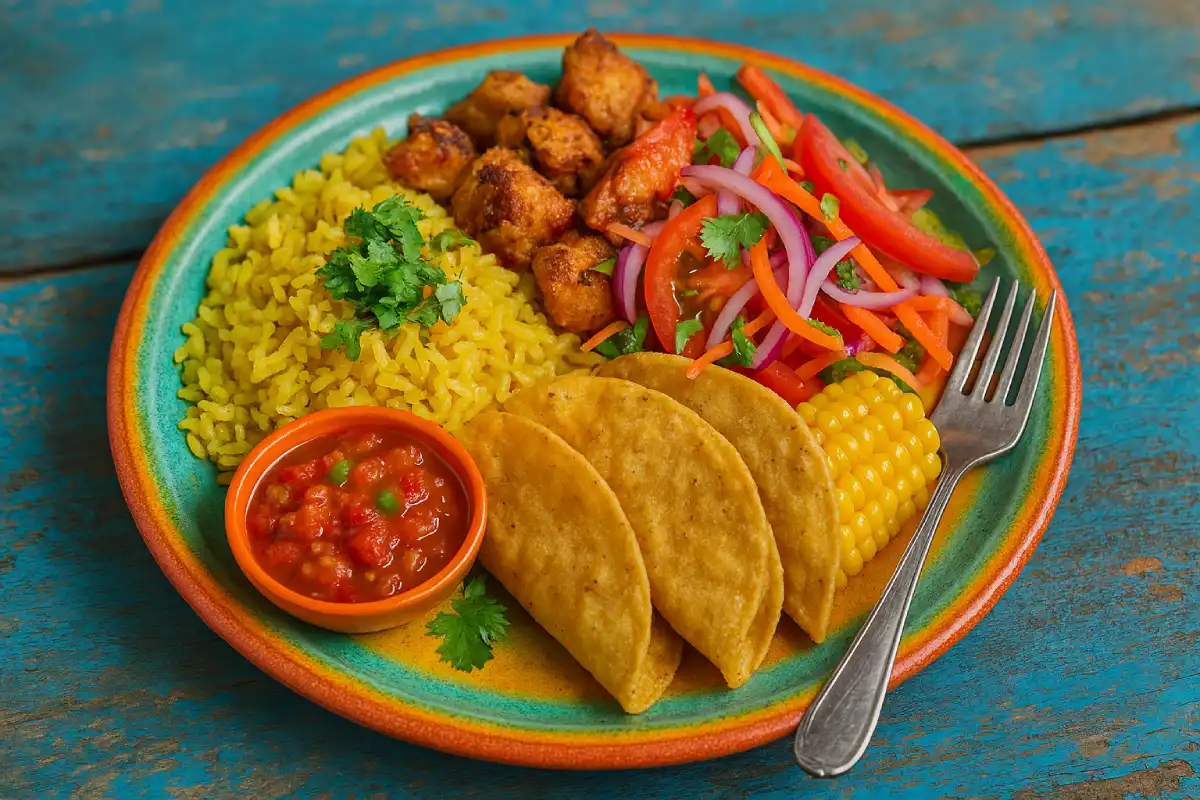
From the night markets of Bangkok to the taco stands of Mexico City, street food is the ultimate budget traveler’s delight. It’s cheap, fast, and often the most authentic food you’ll find. Just a few dollars can buy you a full, satisfying meal. A key tip: look for stalls with a long line of locals—that’s a surefire sign of quality and freshness.
2. Seek Out Local Markets and Supermarkets 🛒
Wander through local markets to find fresh, affordable produce, baked goods, and prepared snacks. Not only is it a fascinating cultural experience, but it’s also the cheapest way to stock up on food. Visiting a supermarket can be a great way to buy ingredients for a packed lunch or dinner, saving you a fortune compared to restaurants.
3. Look for “Menu del Día” or “Plat du Jour” 🍽️
In many countries, especially in Europe and Latin America, restaurants offer a fixed-price menu for lunch. This “Menu of the Day” or “Dish of the Day” is a multi-course meal that’s a fraction of the cost of ordering à la carte. It’s an excellent way to experience a sit-down meal without the high price tag.
Experienced Traveler Insight: Maria, Food & Travel Blogger
“I always ask my hostel staff or guesthouse owner for their favorite cheap eats. They know the best hidden gems the hole-in-the-wall places with the most amazing food that tourists would never find on their own. It’s the best way to get a truly local recommendation.”
Smart Strategies for Every Meal of the Day
A little planning for each meal can keep your food budget on track throughout the day.
Breakfast: A Quick and Cheap Start ☀️
Instead of paying for expensive hotel breakfasts, grab a coffee and a pastry from a local bakery. In many places, a delicious and filling breakfast can cost as little as $2-3. If you’re staying in a hostel with a kitchen, buy some eggs, bread, and fruit from a market to make your own breakfast for even less.
Lunch: The Budget Power Meal 🥪
Lunch is often the best time to eat out. Use the “Menu of the Day” strategy, or grab a sandwich, kebab, or a slice of pizza from a street vendor. Pack leftovers from a previous meal. A simple, packed lunch saves you from overspending on a sit-down meal during the busiest part of the day.
Dinner: A Mix of Convenience and Savings 🌙
For dinner, you have a few options. Street food is always a winner. You can also cook a meal in your hostel kitchen with friends you’ve met. This is a great social activity and a fun way to share recipes and culture. If you do go out, venture a few blocks away from the main tourist areas for cheaper, better-quality restaurants.
Travel Food Hacks to Save You Even More
These small habits can lead to big savings over the course of your trip.
1. Carry a Reusable Water Bottle 💧
Buying bottled water daily adds up. Carry a reusable bottle and refill it whenever possible. In many countries, you can buy a water filter bottle to purify tap water safely, saving you hundreds of dollars over a long trip.
2. Pack Non-Perishable Snacks 🍫
Bring a few of your favorite non-perishable snacks from home. This can be a lifesaver on long journeys or when you get an unexpected craving. It also prevents you from buying overpriced snacks at airports or convenience stores.
3. Avoid Alcohol 🍺
Alcohol is often the most expensive part of a meal or night out. Limiting your consumption or sticking to local, cheaper options can significantly reduce your daily food and drink budget.
Frequently Asked Questions About Budget Eating
Is street food safe to eat?
Most of the time, yes. A good rule of thumb is to look for stalls with a high turnover of customers especially locals. This means the food is fresh. Watch how the vendor prepares the food. If they’re cooking it fresh in front of you and practicing good hygiene, it’s likely safe.
What’s the best way to find a grocery store abroad?
Use Google Maps. Simply search for “supermarket” or “grocery store.” In many cities, you can also ask at your hostel or guesthouse. The best prices are often found at larger supermarkets slightly outside the city center, but even small local markets can offer great deals.
Should I eat a big meal once a day to save money?
This is a common strategy. Many travelers find that having one substantial, inexpensive meal a day (like a large street food plate or a “Menu del Día”) and supplementing with snacks is a great way to save money and stay full. However, listen to your body and don’t let yourself get too hungry, which can lead to expensive, impulsive purchases.
Is it okay to bring food from home in my luggage?
This depends on your destination’s customs regulations. Many countries have strict rules about bringing in fresh produce, meat, or dairy. However, sealed, packaged snacks are usually fine. Always check the customs rules of the country you’re visiting to avoid any issues.
Conclusion: A Taste of the World on a Budget
Eating well while traveling on a budget is all about resourcefulness and a willingness to step outside your comfort zone. By embracing street food, cooking your own meals, and dining where the locals do, you’ll not only save a significant amount of money but also have a more authentic and memorable culinary adventure. So, ditch the expensive restaurants, grab a fork, and get ready to taste the world without the hefty price tag.