How to Eat Well in Countries with High Food Prices
Countries like Switzerland, Norway, Australia, and Iceland offer incredible landscapes and cultural experiences, but their high cost of living often makes dining a severe budget strain. A single restaurant meal can easily cost $30-$50 USD, quickly draining savings. For travelers who prioritize both a tight budget and quality, nutritious food, the solution isn't to starve or rely on junk food it's to adopt **smart self-catering and local shopping strategies**.
The Self-Catering Mandate: Accommodation is Key 🔑
Your accommodation choice is the most powerful tool in reducing your food costs.
1. Prioritize Kitchen Access
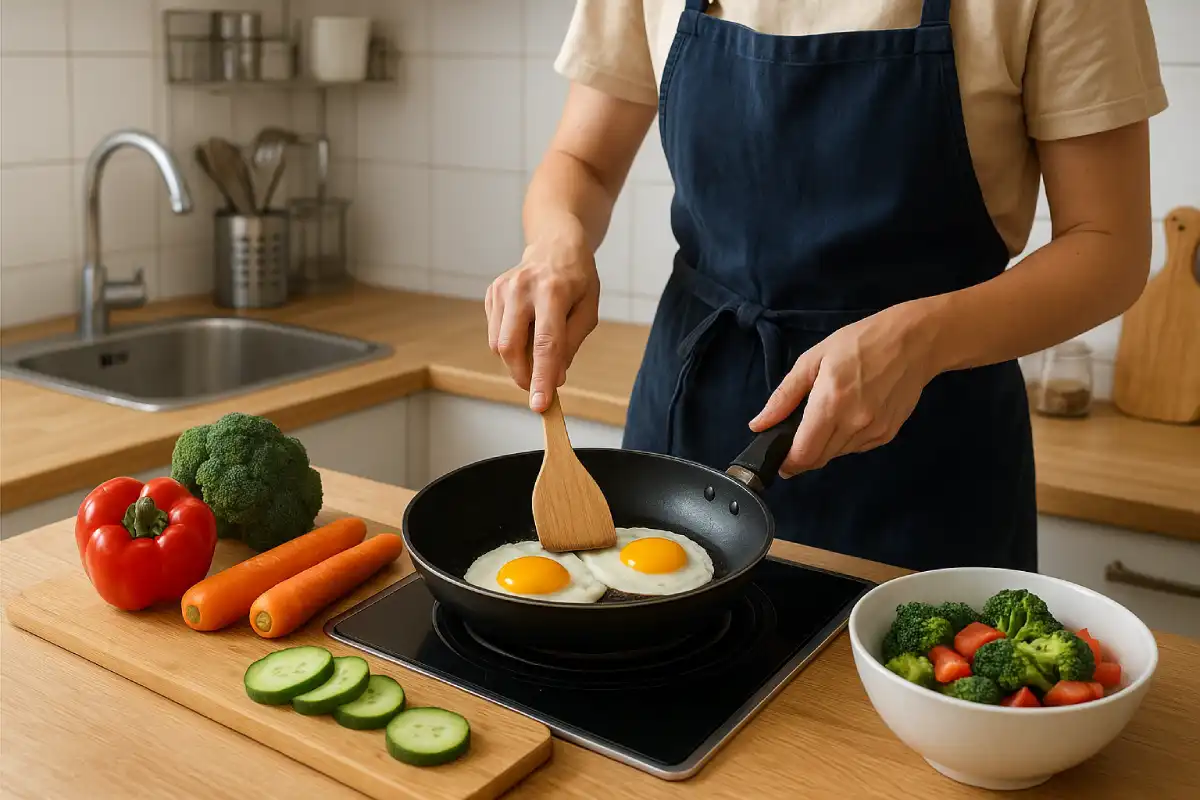
A functional kitchen turns a high-cost country into a manageable one.
- **Hostels and Airbnbs:** Always choose accommodations that feature a **fully equipped communal kitchen**. The savings from cooking just two meals a day will often negate the slightly higher cost of a kitchen-equipped stay.
- **Campgrounds/Vans:** If backpacking or road-tripping, ensure your accommodation permits simple cooking (e.g., a portable stove or fire pit). Relying on takeout from remote locations is not only expensive but often impossible.
- **Check the Tools:** Before booking, check reviews specifically for kitchen quality. You need working burners, a clean fridge, and basic pots/pans to make the effort worthwhile.
2. Pack Smart Essentials
A few small items packed from home can save significant money on high-priced staples:
- **Basic Spices:** Carry a small, secure pouch of essential spices (salt, pepper, garlic powder, chili flakes). Buying a whole jar of spices in expensive countries can cost $5-$10, only to be used once.
- **Travel Utensils:** A small cutting board, sharp knife, and reusable container are invaluable for preparing simple meals anywhere (e.g., preparing a sandwich lunch on the go).
Experienced Backpacker’s Wisdom: Mia R., Budget Travel Forum
“The single best financial decision I make in expensive cities is securing a spot at a well-rated **hostel with a massive kitchen**. I save on rent by staying in a dorm, and I save on food by leveraging the kitchen. Plus, you can often find free ‘leftover’ food from departing travelers, a great way to snag free pasta, oil, or spices.”
Market Hacks: Where and When to Buy Food 🛒
Not all grocery stores are created equal. Knowing the local budget brands and timing your shopping can save you 30-50%.
1. Focus on Budget Supermarket Chains
In expensive regions, specific chains are reliably cheaper than others:
- **Scandinavia:** Look for **Rema 1000, Kiwi, or LIDL/Aldi** where available. Avoid high-end chains like Meny or ICA Maxi.
- **Switzerland:** Seek out **Aldi and LIDL**. Avoid Coop or Migros for major weekly shops, as they cater to a higher price point.
- **Australia/New Zealand:** Stick to **Aldi** (if available) or focus on sales at Coles and Woolworths.
2. The Power of Discount and Timing
Take advantage of clearance sales and local customs:
- **The “Yellow Sticker” Hunt:** Many stores apply discounts (often a bright yellow sticker) to perishable items nearing their expiration date (meat, bakery goods, prepared salads). Ask staff when they typically apply these stickers, usually an hour or two before closing.
- **Daily Staples:** In many European countries, milk, bread, and some cheeses are often regulated or subsidized and are relatively inexpensive compared to imported goods or fresh produce. Base your meals on these staples.
- **Avoid Convenience Stores:** The corner store or 7-Eleven is a budget killer. Only buy food there in an absolute emergency.
Long-Term Traveler’s Rule: Ben S., Globe-Trotter Magazine
“When traveling to a high-cost country, I implement the **’Picnic Lunch Only’ rule**. I cook a simple, high-protein breakfast and dinner, but lunch is always a self-made picnic sandwiches, cheese, fruit, and trail mix. It’s impossible to find a cheap, nutritious sit-down lunch, but a bag of budget bread and local cheese is always affordable.”
Frequently Asked Questions About Budget Eating Abroad
Are street food and fast food cheaper than cooking in high-cost countries?
Not always. In cities like Oslo or Zurich, a basic takeaway burger or hot dog can still cost $10-$15. While faster than a sit-down restaurant, cooking a simple pasta or rice dish in a hostel kitchen will almost always be the cheapest and most nutritious option, often costing only $3-$5 per serving.
What are the most consistently cheap foods to buy globally?
Focus on **the big five**: **rice, eggs, pasta, oats, and dried legumes (beans/lentils)**. These foods are produced in massive quantities globally, are nutritionally dense, and their prices are generally less volatile than meat or fresh imported produce, making them excellent, reliable staples.
Should I carry food from my home country to save money?
Only carry high-value, small-volume, non-perishable items that are disproportionately expensive abroad, such as certain spices, special instant coffee/tea bags, or particular protein powders. Do not try to carry bulky, heavy items like canned goods or large amounts of pasta, as this is inefficient and may violate customs rules.
Is it worth shopping at local farmer’s markets in expensive countries?
It depends. In many high-cost Western nations, farmer’s markets often cater to a premium, organic clientele, meaning prices can be **higher** than budget supermarkets. They are great for fresh quality, but for true budget savings, stick to discount grocery chains.
How can I ensure my food stays fresh when I move locations frequently?
Shop often and lightly. Only buy what you need for the next 24-48 hours. Focus on non-refrigerated produce (apples, carrots, potatoes) that travels well, and dry goods. If you buy meat or dairy, plan to cook and consume it within the first meal at your new location.
Conclusion: Cook More, Spend Less
The secret to eating well on a budget in high-cost countries is a proactive, kitchen-first approach. By consistently choosing accommodation that facilitates cooking, researching the most affordable local supermarkets, and shopping strategically for high-value staples, you can bypass the exorbitant restaurant prices. This method not only preserves your travel funds but also allows you to maintain a healthier, more consistent diet, enabling you to fully enjoy the expensive but beautiful destinations the world has to offer.