How to Create a Travel Budget That Actually Works: The Practical Guide
Creating a travel budget can feel like a daunting task, but it’s the most critical step toward making your travel dreams a reality. Without a clear plan, you risk running out of money, missing out on experiences, or coming home with debt. The key is to create a budget that is not only realistic but also flexible enough to handle the unexpected. This guide will walk you through a step-by-step process on **how to create a travel budget that actually works**, from the initial savings phase to managing your money on the road, using advice from seasoned travelers who have mastered the art of budget planning.
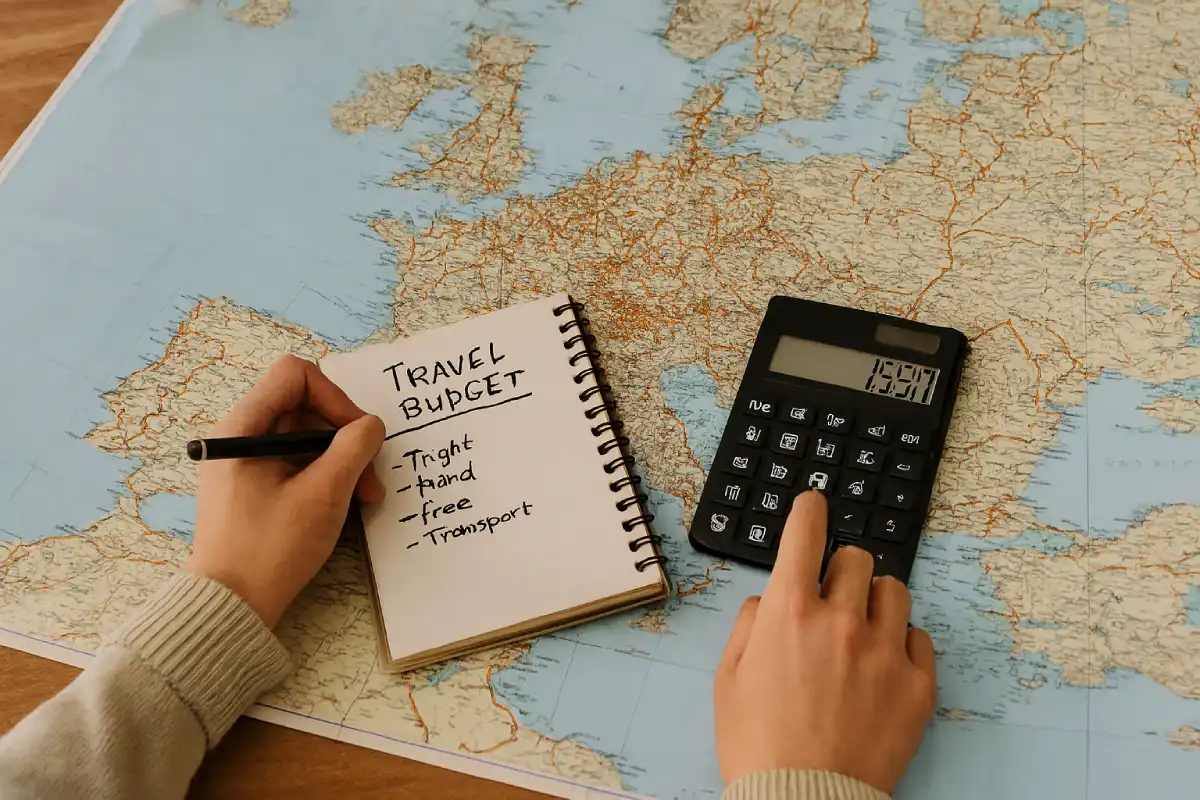
Step 1: The Big Picture – Research and Saving
Before you even think about booking, you need to understand the financial landscape of your trip.
1. Pick Your Destination and Trip Style 🗺️
Your destination is the single biggest factor in your budget. Are you planning to backpack Southeast Asia for a month or spend a week in Paris? Researching the average daily cost for your chosen destination and travel style is the best place to start. Websites like Numbeo or articles from travel blogs can provide a good baseline for what other travelers spend on a daily basis.
2. Set a Realistic Savings Goal and Timeline 💰
Based on your research, calculate your total projected cost. Then, work backward. For example, if you need $3,000 for a trip in six months, you need to save $500 per month. Automate your savings by setting up a recurring transfer to a separate savings account. This makes saving a habit rather than a chore.
Experienced Traveler Insight: Jess, on a Travel Forum
“I made a spreadsheet with every potential cost: flights, accommodation, visas, etc. But my most important column was for ‘buffer.’ I always budget for at least 15% more than I think I’ll need. That extra money saved me when a last-minute flight got canceled or I wanted to do a splurge activity I hadn’t planned for.”
Step 2: Breaking Down the Costs
A good budget isn’t just one big number. It’s a detailed breakdown of where every dollar is going.
1. Flights (The Big One) ✈️
This is often the most expensive part of your trip. Use flight comparison sites like Skyscanner or Google Flights to get a realistic estimate. Be flexible with your dates to find the cheapest time to fly and consider flying in and out of different airports to save money.
2. Accommodation 🛌
Will you be staying in hostels, guesthouses, or Airbnbs? Find out the average price per night for your chosen style. Remember that a hostel dorm bed in Vietnam might cost $10, while a similar bed in a major city in Europe could be $40. Also, factor in any acommadation fees like taxes.
3. Food 🍜
This is where your daily budget comes in handy. Estimate your daily food cost based on your travel style (e.g., street food vs. restaurants). A good rule of thumb is to budget for one cheap meal a day, one mid-range, and one very cheap meal (e.g., groceries).
4. Transport (Local & Long-Distance) 🚌
Budget for a combination of local buses, subways, and long-distance trains or buses. Research the cost of multi-day transport passes if you’ll be in one city for a while. Always factor in the cost of a taxi or shuttle from the airport to your accommodation on arrival.
5. Activities & Fun 🎟️
List out the major activities you know you want to do. Is there a specific museum, tour, or adventure activity you can’t miss? Look up the prices and include them in your budget. Also, add a small daily budget for spontaneous fun or free activities.
6. The “Other Stuff” (Miscellaneous) 💸
Don’t forget about travel insurance, visas, vaccinations, a SIM card, laundry, and souvenirs. These small costs can add up quickly. Allocate a buffer of at least 10-15% of your total budget for these miscellaneous expenses and unforeseen costs.
Step 3: Managing Your Money on the Road
Your budget doesn’t end when you start traveling. Consistent tracking is key to staying on track.
1. Track Your Spending Daily 📝
Use a simple notebook or a budgeting app (like Trail Wallet or Splitwise) to track every single expense. This will keep you accountable and help you adjust your spending if you realize you’re over budget in one area. If you go over on food one day, you might need to have a cheaper day tomorrow.
2. Use the Right Bank Cards 💳
Open a checking account with a bank that has no foreign transaction fees and offers free ATM withdrawals abroad. This can save you hundreds of dollars in fees over the course of a long trip. Always have a backup credit card in case of emergencies, and keep it separate from your main card.
Experienced Traveler Insight: David, from a Travel Blog
“I learned the hard way about not tracking. Now, I have a simple rule: at the end of every day, I write down everything I spent. It only takes five minutes, and it keeps me from having that awful moment of realizing I’ve overspent halfway through my trip. It’s a great habit.”
Frequently Asked Questions About Travel Budgeting
What’s the best app for travel budgeting?
Popular choices include Trail Wallet, which is great for tracking daily spending and visualizing your budget, and Splitwise, which is excellent for group travel expenses. For a simple approach, a note-taking app on your phone or a small notebook works perfectly well.
How do I budget for spontaneous purchases?
This is where your “Miscellaneous” or “Buffer” budget comes in. It’s a fund for unexpected costs and spontaneous decisions. By having this money set aside, you can say “yes” to a last-minute cooking class or a special night out without derailing your entire trip budget.
Should I book everything in advance to save money?
Not always. While booking flights and your first night of accommodation in advance is wise, over-planning can limit your flexibility. In many budget-friendly countries, accommodation and transport are cheaper to book on the ground. A flexible plan allows you to stay longer in places you love and leave places you don’t. The key is to strike a balance between planning and spontaneity.
What if I go over my budget?
Don’t panic! A budget is a guideline, not a strict set of rules. If you find yourself over budget for a day, look for ways to cut back in the next few days. This might mean cooking more meals, using free activities, or choosing cheaper transport. The goal is to average out your spending over the course of the trip.
Conclusion: Control Your Money, Control Your Adventure
Creating and sticking to a travel budget gives you freedom, not limitations. It allows you to travel longer, experience more, and return home with incredible memories instead of financial stress. By following these three simple steps research and save, break down your costs, and track your spending you’ll have a budget that not only works but also empowers you to explore the world on your terms. So grab that notebook, open that spreadsheet, and start planning your next great adventure!