How to avoid fake listings on travel platforms
The convenience of booking accommodation online through platforms like Airbnb, Booking.com, and VRBO has revolutionized travel. However, the rise of these platforms has also created opportunities for sophisticated scammers who post **fake listings** often using stolen photos, non-existent addresses, or ridiculously low prices to defraud unsuspecting travelers. Arriving at your destination only to find your rental doesn't exist is a nightmare that can derail your entire trip.
Red Flags in the Listing Details: The Price and Pictures 🚩
Fake listings often fail a simple “smell test,” exhibiting signs of haste, contradiction, or unrealistic appeal.
1. Analyzing the Images and Price
The visual quality and cost of the listing are your first clues:
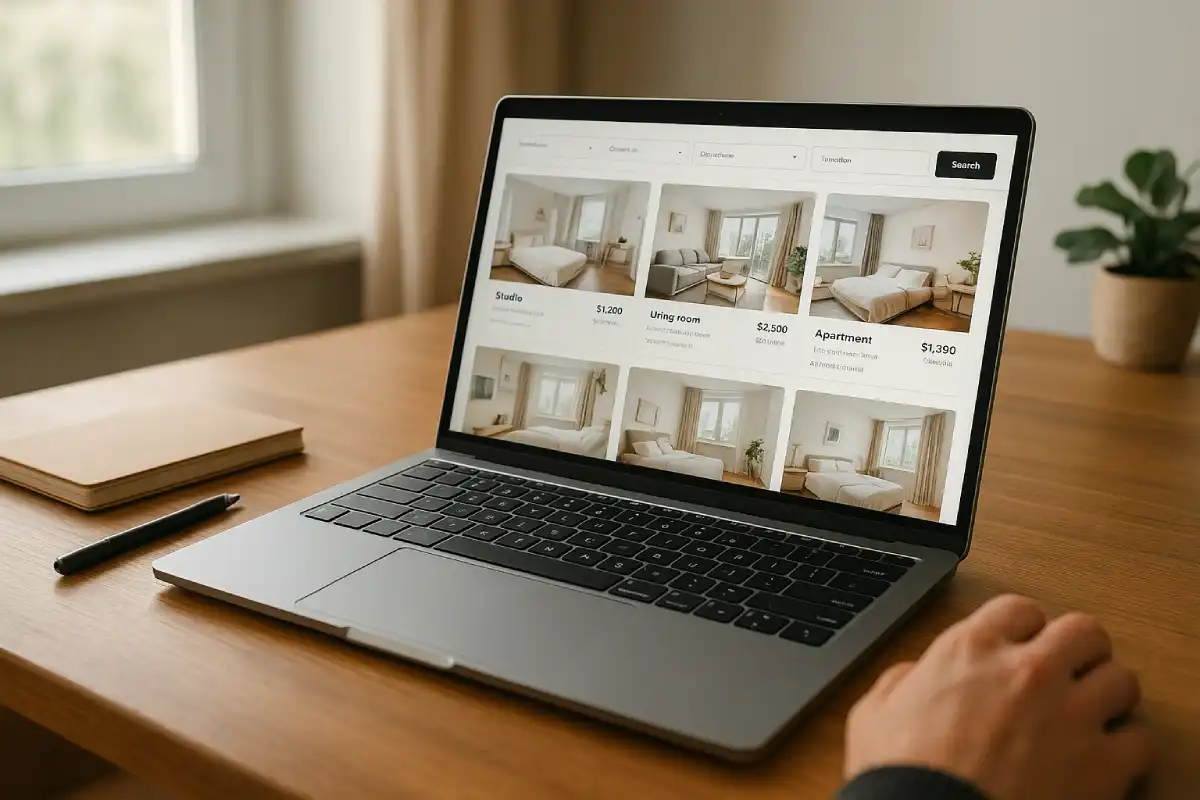
- **Too Good to Be True Price:** If the nightly rate is significantly lower than similar, comparable properties nearby, be highly skeptical. Scammers use rock-bottom prices to rush bookings.
- **Inconsistent Photos:** Look closely at the photos. Do the furniture, lighting, and décor styles change drastically between rooms? Do the windows show views that contradict the geographical location? Scammers often pull images from multiple unrelated sources.
- **Reverse Image Search:** **This is the most critical step.** Download one or two key photos and perform a reverse image search (using Google Images or TinEye). If the image appears on multiple sites with different addresses, names, or contexts (e.g., an interior design blog), the listing is almost certainly fake.
2. Scrutinizing the Host and Reviews
A legitimate listing will have a history; a scam listing will not:
- **Zero History:** The listing or the host profile was created very recently and has zero reviews. Even if the listing is new, the host should have some history, perhaps from other properties.
- **Vague Profile:** The host has a generic name, a low-quality profile picture, or an empty bio. Legitimate hosts rely on reputation.
- **Generic Reviews:** Be suspicious of profiles with a sudden influx of short, overly positive, and generic reviews posted all at once (e.g., “Amazing stay! Highly recommended!”). These are often paid or fake.
Veteran Traveler’s Hack: Mark D., Global Travel Security Consultant
“If the photos look professionally staged like they belong in an architectural magazine I use the **Google Street View trick**. I ask the host for the street number (or cross-reference a feature in the listing photos, like a unique building across the street) and check if the building actually matches the exterior photo on Street View. If they refuse to provide a specific address or the exterior doesn’t match, I walk away.”
Communication and Payment Red Flags 💳
Scammers primarily attempt to move the conversation and transaction off the secure platform.
1. Moving Off-Platform Communication
A legitimate host will conduct all initial communication through the platform’s messaging system.
- **External Contact Request:** The host immediately asks you to contact them via a personal email, WhatsApp, or text message to “finalize the booking” or “discuss a discount.” **Red Flag:** Platform messaging keeps a record of communication, which is crucial for dispute resolution. Scammers want to break that chain.
- **Pressure Tactics:** The host insists you need to book immediately because the property is “very popular” or the “discount ends in an hour.” This is designed to prevent you from conducting verification checks.
2. Unsafe Payment Demands
Payment security is the platform’s primary function; do not bypass it.
- **Non-Platform Payments:** The host requests payment via untraceable methods like Western Union, PayPal Friends & Family, bank wire transfer, or cryptocurrency. **Absolute Rule:** Never pay for the booking outside of the official travel platform’s secure payment system.
- **External Fee Requests:** You’ve paid on the platform, but the host contacts you later asking for a separate “security deposit,” “key fee,” or “local tax” to be wired directly. Confirm any such fees with the platform’s customer service before paying externally.
Digital Security Expert’s Caution: Jessica L., Financial Travel Forum
“Before confirming any booking, even on a legitimate site, check the host’s cancellation policy carefully. Scammers often use a ‘no refund’ or ‘strict’ policy to lock in their fraudulent payments. A legitimate, high-quality listing usually offers a reasonable refund window.”
Frequently Asked Questions About Online Booking Safety
What should I do if I suspect a listing is fake after I’ve booked?
Immediately **contact the platform’s customer support** through their official channels (not the host). Provide them with all the evidence (reverse image search results, suspicious messages). Do this **before** your trip. Do not wait until you arrive, and do not confront the host yourself.
Is it safe to book a listing without any reviews?
It carries higher risk. If the property is new, check if the **host has reviews from other properties**. If the host is also new, look for a ‘verified’ badge from the platform, read the description meticulously, and ensure the price isn’t suspiciously low. Consider sending a specific question about the property to test the host’s responsiveness and detail.
Why do platforms allow fake listings to be posted?
Scammers are constantly adapting, using AI to generate sophisticated photos and quickly creating new accounts before platform verification teams catch up. While platforms use automated filters, manual review takes time. They rely heavily on **user reports** to identify and remove fraudulent accounts quickly.
Should I use a credit card or a debit card for booking?
Always use a **credit card**. Credit cards offer greater **fraud protection** because they use the bank’s money, not your own. If you are scammed, the bank can typically reverse the charge quickly without impacting your daily funds, unlike a debit card linked directly to your checking account.
What if the listing uses a generic map location (pin is placed in the center of the city)?
This is a major red flag, common with scams and sometimes with hosts trying to hide the exact address until booking. If the host refuses to give you at least a cross-street or nearby landmark after booking (stating security reasons), it suggests they are hiding a property that is either non-existent or located in a undesirable, misrepresented area.
Conclusion: Verification is the Best Policy
In the world of online travel booking, confidence should be earned, not assumed. The most effective way to avoid fraudulent listings is to become a meticulous detective: **reverse image search every suspicious photo**, **insist on communication through the platform**, and **never agree to external payments**. By embracing healthy skepticism and following these verification steps, you turn booking into a secure process, ensuring the accommodation you pay for is exactly the home you arrive at.