How to Avoid Dangerous Areas When Traveling
The world is full of incredible places to explore, but not all of them are safe at all times. From petty theft in crowded tourist areas to more serious risks in certain neighborhoods, a traveler's safety is always a top concern. While you can’t eliminate all risks, you can significantly reduce them with a little research and a lot of awareness. Being prepared and knowing how to identify and avoid dangerous situations is the most powerful tool in your travel arsenal. This guide will walk you through **how to avoid dangerous areas when traveling**, sharing practical advice from seasoned travelers and security experts to help you navigate your journey with confidence and peace of mind.
The Pre-Trip Checklist: Research Is Your Best Friend 🕵️
Your journey to safety starts long before you board a plane. Knowledge is your most powerful defense.
1. Check Official Government Travel Advisories 🌐
Before you book, check the official travel advisories for your destination. Most countries have a dedicated website (e.g., the U.S. State Department or the UK’s Foreign, Commonwealth & Development Office) that provides up-to-date information on security risks, political unrest, and local crime hotspots. These resources are a great starting point for understanding the general safety level of a country or region.
2. Use Forums and Blogs for Local Insights 🗣️
Official advisories can be broad. For more granular, street-level advice, turn to travel forums like Reddit (e.g., r/travel, r/solotravel) and travel blogs. Search for phrases like “safe neighborhoods [city name]” or “areas to avoid [destination].” Travelers on these platforms often share specific and recent experiences, which can give you a better feel for a city than a map alone. They might warn you about a particular street or a specific scam that is common in the area.
Experienced Traveler’s Insight: Lisa, from a Travel Blog
“Before I go to any new city, I spend a few hours on Reddit. I’ll search for ‘safety’ and ‘[city name]’ and read through the comments. I’ve learned that a neighborhood might be safe during the day but not at night, or that a certain street is known for pickpockets. This kind of local knowledge is invaluable.”
Staying Safe on the Ground: Awareness and Instinct 🚦
Once you are at your destination, your behavior and awareness are the keys to staying safe.
1. Trust Your Instincts 🧠
This is arguably the most important rule of all. If an area, person, or situation feels off, it probably is. If a street seems too quiet, or you get a strange feeling about a person, simply walk away. Your instincts are your body’s way of telling you that something is wrong. Listen to them.
2. Blend In and Don’t Draw Attention to Yourself 🕶️
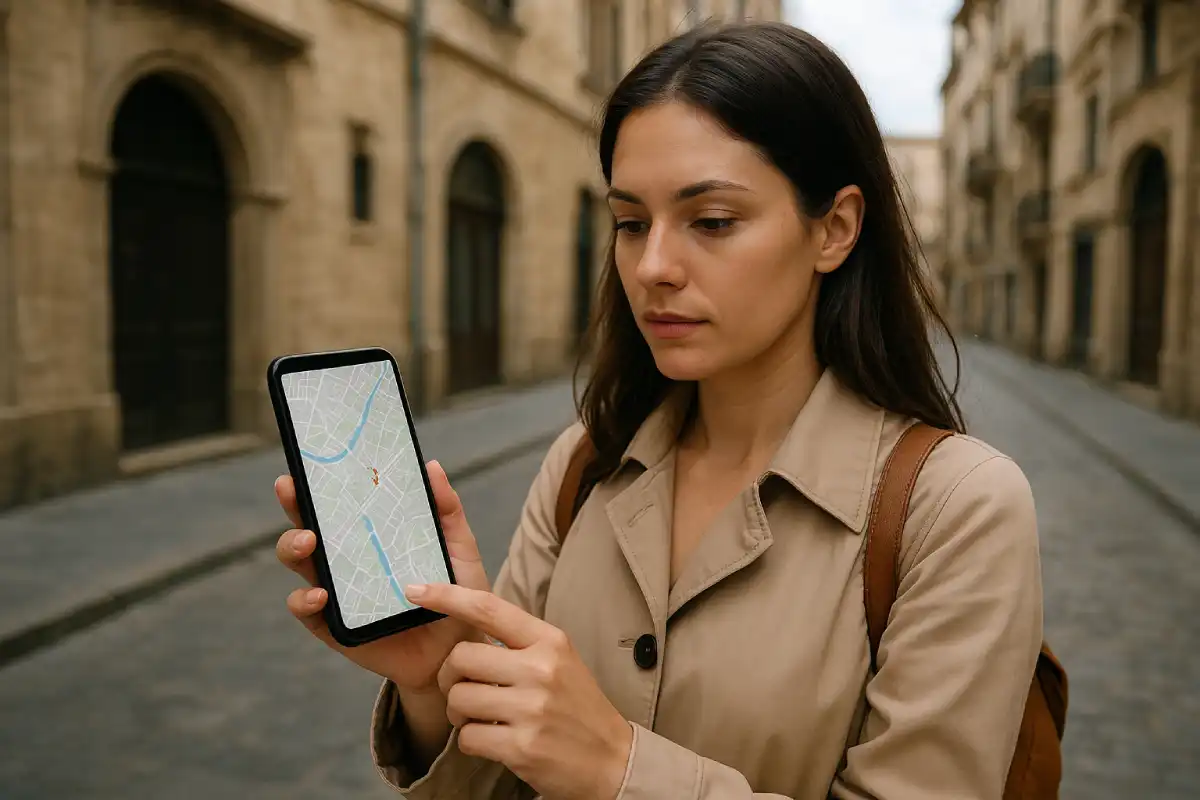
Avoid looking like a stereotypical tourist. Don’t walk around with a map in your hand or wear flashy, expensive jewelry. Dress like the locals and try to walk with a purpose. Pickpockets and scammers target people who look lost, distracted, and wealthy. By blending in, you become less of a target.
3. Be Wary of Your Surroundings, Especially at Night 🌃
The safety of a neighborhood can change dramatically after dark. Avoid walking alone at night in poorly lit or deserted areas. Take a taxi or a ride-share service if you are unsure. Always be aware of who is around you, and avoid having your phone or valuables out in the open. It’s a simple rule: if it looks like a bad neighborhood, it probably is.
Security Expert’s Advice: Chris, a Former Law Enforcement Officer
“Criminals look for the easiest target. The person who is distracted on their phone, walking alone, and looks lost is the perfect mark. The best defense is to look confident, walk with purpose, and be aware of everyone around you. You don’t have to be a superhero; you just have to look like you know what you’re doing.”
Frequently Asked Questions About Travel Safety
Is it safe to use public transport in an unfamiliar city?
Yes, public transport is generally safe, but you should still be cautious. Be aware of your surroundings, and keep your bag in front of you. Pickpockets are common on crowded subways and buses. Avoid traveling during peak hours if you can, and always plan your route in advance.
Should I share my location on social media while traveling?
It’s best to wait until you have left a location before posting about it. Sharing your live location can make you a target. It’s a good idea to post a “throwback” photo or wait until you get home to share all the details of your trip. This helps keep you and your belongings safe.
What is the “distraction scam” and how do I avoid it?
The distraction scam is a common trick where one person creates a distraction (like dropping something or asking for directions) while their partner steals your wallet or bag. The best way to avoid it is to be vigilant. Keep a firm grip on your belongings, and if someone tries to distract you, politely say no and walk away.
Is it safe to carry cash while traveling?
Yes, but you should not carry all your cash in one place. Carry a small amount for daily expenses and keep the rest in a secure place, like a money belt or a hidden pocket. Use a credit card for larger purchases, as they offer more protection in case of theft.
How can I protect my personal information?
Make copies of your passport, visa, and other important documents and store them in a secure, separate location. You can also take photos of the documents and save them in a password-protected cloud account. This will make it much easier to replace them if they are lost or stolen.
Conclusion: Travel Smart, Travel Safe
Exploring new places is an incredible experience, and you shouldn’t let fear hold you back. By doing your research, staying aware of your surroundings, and trusting your instincts, you can significantly reduce your risk of a negative experience. A safe traveler is a savvy traveler. So, be prepared, be aware, and get ready to enjoy your journey with confidence.