Heated igloo stays: Where to find them
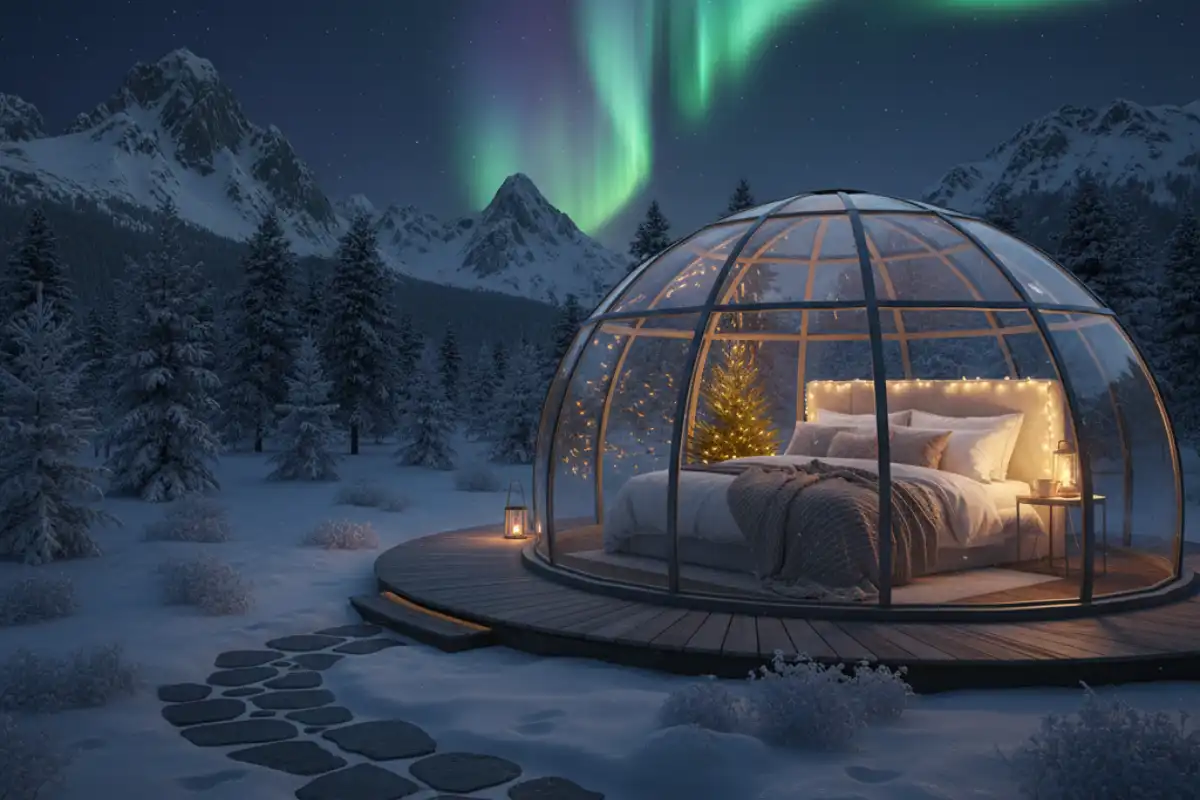
The dream of sleeping under the stars, or better yet, under the ethereal glow of the **Aurora Borealis**, has driven the immense popularity of heated igloo stays. These aren't the traditional snow structures; they are luxurious, thermally insulated glass or polycarbonate domes, combining the thrill of winter camping with the comfort of a five-star hotel.
The Original Home: Finnish Lapland 🇫🇮
Finland’s northern region remains the epicenter of the heated glass igloo phenomenon, offering the highest concentration and arguably the most established experiences.
1. Kakslauttanen and Beyond
The resort near Saariselkä, often credited with popularizing the concept, uses special thermal glass that prevents the igloo roof from frosting over, even in sub-zero temperatures. However, dozens of other high-quality resorts have sprung up across the region, including areas like Levi, Rovaniemi (home of Santa Claus), and Inari.
- **The Selling Point:** Prime location within the **Aurora Zone** (above the Arctic Circle), offering the best chance to see the Northern Lights.
- **Traveler Insight:** “Don’t just stick to the most famous name. I found a smaller, family-run resort near Inari and the quiet solitude was incredible. The glass was immaculate, and the price was slightly better. Always check booking sites for lesser-known, newly built resorts; they often offer amazing quality and fewer crowds.” (Source: Luxury Travel Forum)
Global Destinations for Dome Stays 🌐
Beyond the Arctic, the geodesic dome concept has been adapted to unique cold-weather environments globally.
1. Iceland: The Bubble Hotels
Iceland offers “bubble” hotels transparent domes in remote locations designed for 360-degree viewing of the landscape and the night sky. While generally less luxurious than the Finnish igloos, they offer unmatched seclusion.
- **Focus:** Seclusion and immersion in Iceland’s unique volcanic landscapes.
2. Canada and the US: Glamping Domes
In regions with intense snow and clear skies, such as the **Canadian Rockies (Alberta/BC)** or the **US Mountain West (Montana/Colorado)**, you can find high-end glamping companies offering heated geodesic domes.
- **The Experience:** These are often standalone, private units focusing on connecting with rugged nature, sometimes featuring private outdoor hot tubs.
3. Chile: The Patagonian Experience
For Southern Hemisphere travelers, heated domes in the remote wilderness of **Patagonia (Chile and Argentina)** offer unique views of the Southern Cross and the towering Andes mountains, particularly during the region’s cooler months (May-September).
Luxury Travel Specialist Advice: Booking and Price
“Heated igloo and dome stays are almost always a premium luxury experience and are highly seasonal. **Book 9–12 months in advance** for prime viewing dates (November to March). Be aware that peak Northern Lights viewing periods (around the new moon) and holidays will carry the highest price tags. Always look for packages that include half-board, as remote locations offer limited dining options.” (Source: Luxury Travel Agent Newsletter)
What to Look for When Booking 🔎
Ensure your chosen igloo meets your expectations for comfort and viewing.
- **Thermal Glass Quality:** Ask about the glass quality thermal glass (often double- or triple-paned) prevents condensation and frosting, which is essential for stargazing.
- **Bathroom Facilities:** Check if the igloo includes a **private en-suite bathroom**. Many early versions only offered shared facilities or separate, simple outdoor toilets.
- **Aurora Alarm:** Some high-end resorts offer an **Aurora Alarm service**, which alerts you via a pager or phone when the Northern Lights appear, allowing you to sleep without constantly checking the sky.
Frequently Asked Questions About Heated Igloo Stays
How are these glass igloos heated? Are they truly warm inside?
Yes, they are generally very warm. They use central heating, underfloor heating, and high-tech thermal glass (sometimes electrically heated) to maintain a comfortable indoor temperature, often around 70°F, even when outside temperatures drop below zero.
Do I have privacy in a glass igloo?
Most resorts place igloos far enough apart to ensure privacy. They are often nestled among trees or on slopes facing away from neighbors. For modesty, some igloos have curtains or blinds on the lower half of the dome for use during the day, though these are typically kept open at night for viewing.
What is the best time of year to book for Northern Lights viewing?
The optimal season is from **late September to late March**. This period offers the long, dark nights necessary for viewing. January and February often have the coldest, clearest skies, increasing visibility, but December is popular due to holiday travel.
Are these accommodations suitable for families with young children?
While possible, most igloos are designed as romantic, intimate spaces and only sleep two people. Larger resorts may offer “Kelo-Glass Igloos” or hybrid structures that combine a traditional wooden cabin (Kelo) with a glass roof, offering more space and separate sleeping quarters for families.
Is light pollution a problem for seeing the Aurora from the igloo?
The highest quality igloo resorts are specifically situated in remote, low-light pollution areas far from major towns. Many resorts enforce a **”dark zone” policy** after a certain hour, minimizing exterior light to maximize the guests’ chances of seeing the Aurora.
Conclusion: Sleep Under the Galaxy 🌠
Heated igloo stays are the ultimate blend of extreme environment immersion and luxury comfort. While Finnish Lapland holds the crown for Northern Lights certainty, the rise of quality dome accommodations in Iceland, North America, and Patagonia offers travelers worldwide the chance to fulfill the magical dream of sleeping under a vast, unhindered sky. Plan ahead, prioritize thermal quality and location, and prepare for an unforgettable celestial experience.