Health & Medical Precautions
From packing a first-aid kit to understanding local medical services and vaccinations.
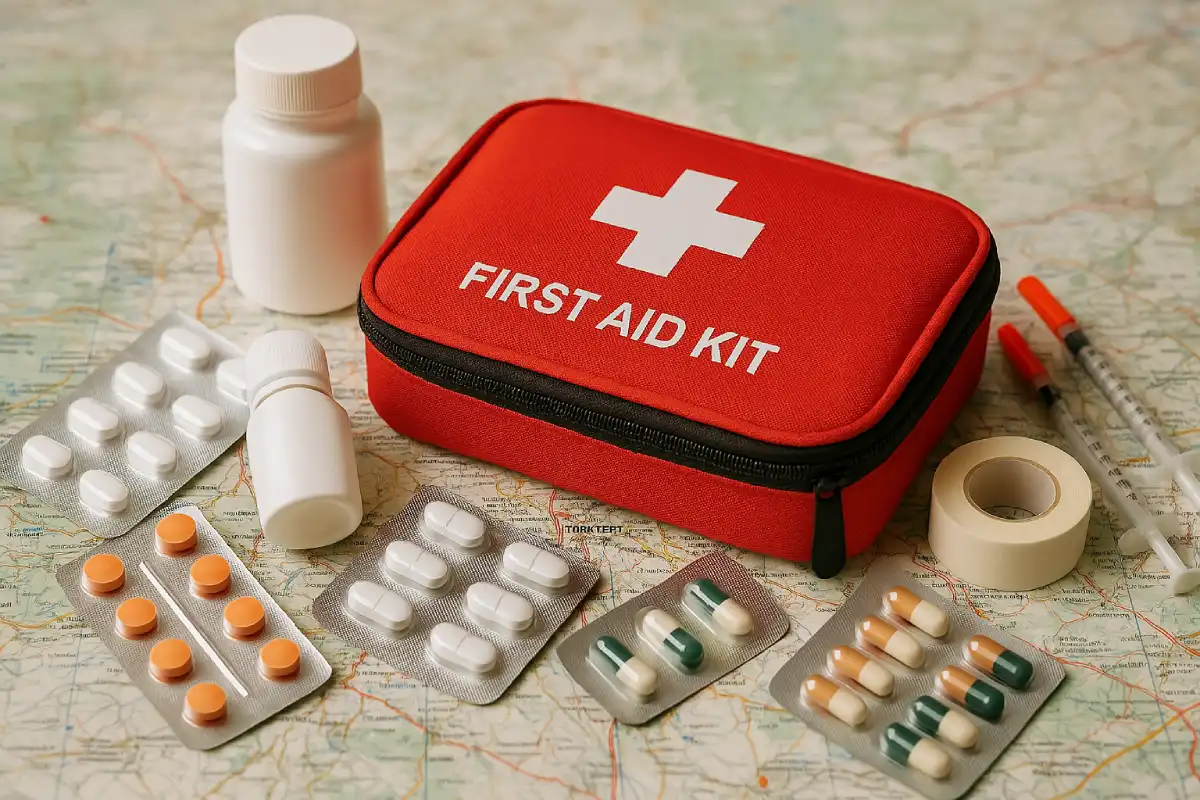
The allure of new experiences often pushes health considerations to the back of a traveler’s mind. Yet, overlooking essential health and medical precautions can quickly turn a dream trip into a nightmare. From unexpected cuts and scrapes to more serious illnesses or the need for specific medications, being prepared for potential health challenges is as crucial as booking your flights.
This guide delves into vital health and medical precautions for every traveler. We’ll cover everything from assembling a personalized first-aid kit and understanding necessary vaccinations to navigating local medical services and ensuring you have access to your critical medications. Get ready to prioritize your well-being so you can truly enjoy every moment of your journey, worry-free.
Before You Go: Proactive Health Planning
Preparation is key to preventing medical emergencies on the road:
1. Consult Your Doctor 🩺
Schedule a visit with your doctor or a travel clinic at least **4-6 weeks before your trip** (earlier for complex itineraries or long-term travel). Discuss your itinerary, planned activities, and any pre-existing conditions. They can advise on:
- Routine Vaccinations: Ensure you’re up-to-date on standard immunizations (e.g., MMR, Tdap, Flu).
- Travel-Specific Vaccinations: Depending on your destination, you might need shots for Yellow Fever, Typhoid, Hepatitis A & B, Rabies, Japanese Encephalitis, or Meningitis.
- Prescription Medications: Discuss how to manage existing prescriptions, potential side effects, and getting sufficient refills.
- Preventive Medications: For areas with malaria risk, your doctor can prescribe antimalarial drugs. They might also recommend medication for traveler’s diarrhea.
2. Research Your Destination’s Health Risks 🗺️
Consult reliable sources like the World Health Organization (WHO), your country’s travel advisories (e.g., CDC for the US, NHS for UK), or local embassy websites. Look for information on:
- Common illnesses or outbreaks.
- Water and food safety.
- Insect-borne diseases (e.g., dengue, Zika).
- Availability and quality of local medical facilities.
Experienced Traveler Insight: Dr. Elena Petrova, Emergency Physician & Avid Traveler (Ukraine)
“As a doctor, I can’t stress this enough: see a travel doctor! Especially if you’re venturing beyond common tourist paths. For my last trip to rural Southeast Asia, I got Hep A, Typhoid, and prescribed medication for traveler’s diarrhea and malaria prophylaxis. It’s better to be over-prepared than to spend your vacation (or worse, end up in a local hospital) battling a preventable illness. Don’t forget your routine immunizations, as well, which are vital for travel anywhere.”
3. Secure Travel Health Insurance 📋
Your regular health insurance likely won’t cover you adequately internationally. Invest in comprehensive travel health insurance that covers:
- Emergency medical treatment.
- Medical evacuation (crucial for remote areas).
- Repatriation of remains.
- Coverage for pre-existing conditions (if applicable).
Carry your insurance card/policy number and the emergency contact number with you at all times, digitally and a physical copy.
Your Personal Travel First-Aid Kit: Be Prepared for Minor Mishaps
A well-stocked first-aid kit can handle common travel ailments, preventing minor issues from escalating. Tailor it to your destination and activities, but here are the essentials:
- Pain Relievers: Ibuprofen (e.g., Advil) or Acetaminophen (e.g., Tylenol) for headaches, muscle aches.
- Antihistamines: For allergies, insect bites (e.g., Benadryl, Zyrtec).
- Stomach Relief:
- Anti-diarrhea medication: Loperamide (Imodium).
- Antacid: For indigestion/heartburn.
- Laxative: For constipation.
- Oral Rehydration Salts (ORS): Crucial for dehydration from diarrhea or heat.
- Wound Care:
- Assorted bandages/plasters.
- Antiseptic wipes or small bottle of hand sanitizer.
- Antibiotic ointment (e.g., Neosporin).
- Sterile gauze pads and adhesive tape.
- Moleskin or blister pads.
- Topical Treatments:
- Hydrocortisone cream for skin irritations, insect bites.
- Sunscreen (high SPF).
- Insect repellent (look for DEET or Picaridin for effective protection).
- Basic Tools: Small scissors, tweezers, thermometer.
- Prescription Medications:
- Carry enough for your entire trip, plus a few extra days.
- Keep them in their **original labeled containers** to avoid issues at customs.
- Carry a **copy of your prescription** and a **doctor’s note** explaining your need for the medication, especially for controlled substances or syringes (e.g., insulin).
- Divide critical medications between your carry-on and checked luggage (if applicable) in case one bag is lost. Always have essential meds in your carry-on.
Experienced Traveler Insight: Maria, Long-Term Digital Nomad
“My travel first-aid kit is small but mighty. I have a tiny roll of medical tape, a few sterile wipes, blister pads (a lifesaver!), and always, always Imodium. My worst travel experience was getting food poisoning in rural Peru. Having ORS and Imodium on hand was literally the only thing that got me through before I could find proper help. Don’t leave home without them!”
On The Ground: Staying Healthy & Accessing Care
1. Practice Food & Water Safety 🍲💧
- “Boil it, cook it, peel it, or forget it”: The golden rule for food safety in many regions.
- Bottled or Filtered Water: Stick to sealed bottled water or use a reliable filter/purifier bottle (like Grayl) if tap water quality is questionable. Avoid ice cubes or drinks diluted with tap water.
- Wash Your Hands: Frequently and thoroughly, especially before eating. Carry hand sanitizer.
2. Protect Yourself from Insects 🦟
- Use effective insect repellent.
- Wear long sleeves and pants during peak mosquito hours (dawn/dusk).
- Sleep under a mosquito net if provided and necessary.
3. Be Mindful of the Sun ☀️
- Apply high-SPF sunscreen regularly.
- Wear a hat and sunglasses.
- Seek shade during peak sun hours.
- Stay hydrated.
4. Know How to Access Local Medical Services 🚨
- Before an Emergency: Locate the nearest hospital or clinic to your accommodation. Save their address and phone number.
- Emergency Numbers: Know the local equivalent of 911 (e.g., 112 in Europe, 199 in Thailand).
- Contact Your Insurance: In case of serious illness or injury, immediately contact your travel insurance provider. They can guide you to approved facilities and manage direct billing.
- Embassies/Consulates: Your country’s embassy or consulate can provide lists of local doctors and hospitals, or assist in emergencies.
Frequently Asked Questions About Travel Health & Medical Precautions
Do I really need travel insurance for health emergencies?
Absolutely, yes! Your domestic health insurance often has limited or no coverage overseas. Travel health insurance is vital because it covers emergency medical treatments, hospital stays, and crucially, medical evacuation. A medical evacuation can cost tens of thousands of dollars, far exceeding the cost of a policy. It’s a non-negotiable for serious international travel.
How far in advance should I get travel vaccinations?
Ideally, consult a travel clinic or your doctor 4-6 weeks before your trip. Some vaccines require multiple doses over several weeks or months to be fully effective (e.g., Hepatitis B). Others, like Yellow Fever, are immediate. Earlier is always better, especially for complex itineraries.
Can I take my prescription medications abroad?
Generally, yes, but with precautions. Always keep medications in their original, clearly labeled containers. Carry a copy of your prescription and a doctor’s note explaining the medical necessity (especially for controlled substances, injectables like insulin, or unusually large quantities). Research your destination’s specific regulations; some medications common in your home country might be restricted or illegal elsewhere.
What’s the best way to prevent traveler’s diarrhea?
Practice strict food and water safety: “Boil it, cook it, peel it, or forget it.” Avoid tap water, ice cubes, unpeeled fruits, raw vegetables, and street food unless you’re confident in its hygiene. Wash your hands frequently with soap and water or use an alcohol-based hand sanitizer. Consider taking probiotics before and during your trip.
Should I bring a separate first-aid kit for my checked luggage?
It’s always recommended to keep your most essential medications (prescriptions, anti-diarrhea meds, pain relievers) and a basic mini-first-aid kit in your carry-on bag. This ensures you have access to them even if your checked luggage is delayed or lost. You can pack larger or less critical items in your checked bag if needed.
What do I do if I need medical attention in a foreign country?
First, if it’s an emergency, use the local emergency number (research this before you go!). For non-emergencies, contact your travel insurance provider immediately — they can guide you to approved medical facilities and often arrange direct billing. If that’s not possible, ask your hotel reception or local tour guide for recommendations, or contact your country’s embassy/consulate for a list of trusted doctors or hospitals.
Conclusion: Travel Healthy, Travel Happily
Preparing for potential health challenges is an often-underestimated aspect of travel planning, but it’s one that can profoundly impact your experience. By taking proactive steps like consulting your doctor, securing comprehensive travel insurance, and assembling a smart first-aid kit, you empower yourself to face minor ailments with confidence and navigate serious situations effectively. Prioritize your health, and you’ll unlock the full joy of exploring the world, knowing you’re prepared for whatever comes your way. Happy and healthy travels!