Guatemala City Essentials: What to See, Eat, and Experience
Explore Guatemala City on a budget while staying safe and informed. This guide breaks down the city’s zone system, highlights the safest areas to stay, and shares tips on cheap eats, transport, and must-see sights. Learn how to navigate confidently, avoid common risks, and use the capital as a smart gateway to your Guatemala adventure.
The Heart of Central America
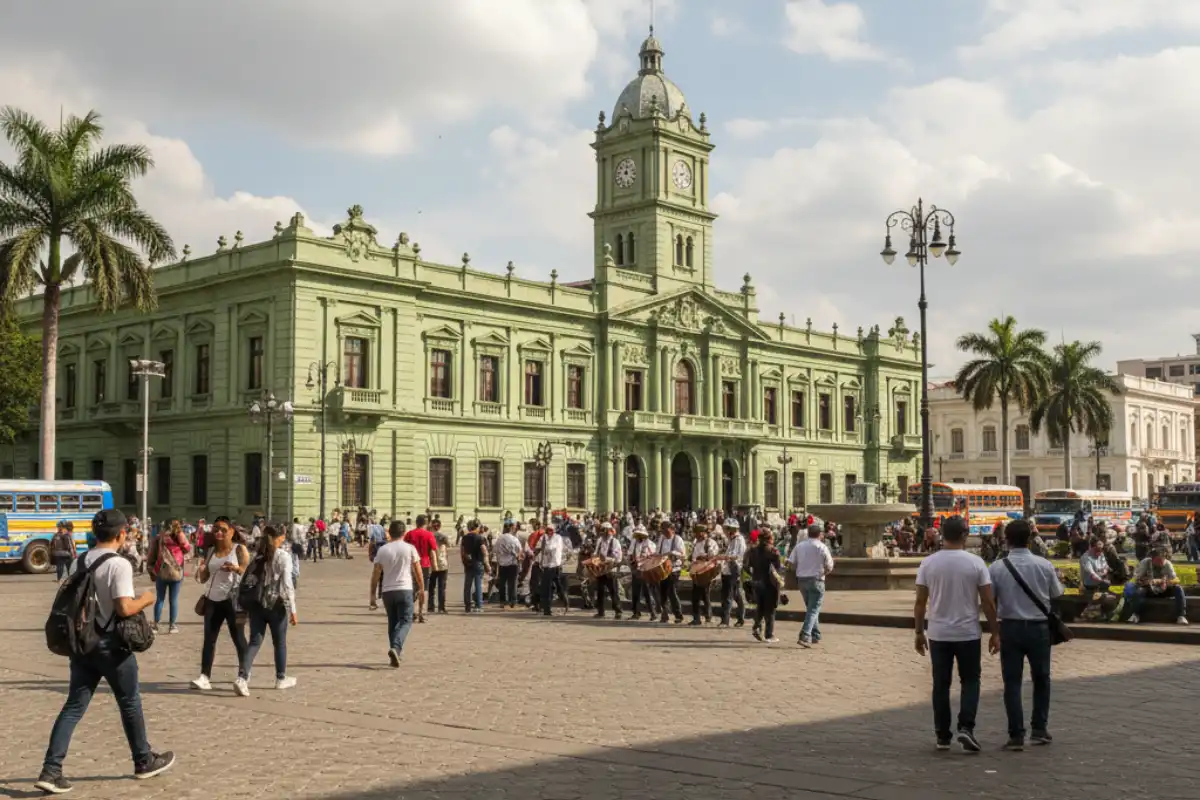
Guatemala City is organized into 22 distinct Zones, with safety and infrastructure varying drastically between them. For tourists, focus is usually on the well-patrolled, modern **Zona 10 (Zona Viva)**, the rapidly gentrifying **Zona 4 (Cuatro Grados Norte)**, and the historic **Zona 1 (Centro Histórico)** (during daytime only). The city is a hub of Maya culture, colonial history, and modern life all accessible on a highly affordable budget.
Guatemala City’s Essential Sights
Iconic Experiences:
- Historic Center (Zona 1): Visit the National Palace of Culture and the Metropolitan Cathedral. **Must be done during daylight hours.**
- Zona Viva (Zona 10): Explore the safest, most modern area, home to many hotels, shopping, and international dining.
- Cuatro Grados Norte (Zona 4): Wander this trendy district known for street art, cafes, and innovative restaurants. It’s an emerging cultural hub.
- Museums: Visit the Popol Vuh Museum or the Ixchel Museum of Indigenous Dress (both located near Zona 10) for deep dives into Mayan culture and history.
Budget-Friendly Tip: Visit the **Mapas en Relieve** (Relief Map) in Zona 2 a massive, detailed topographical map of the entire country, costing just a few Quetzales for entry.
1. The Cost of a Bed: Budget-Friendly Accommodation
Guatemala is one of the cheapest destinations in Central America. However, safety in Guatemala City means accommodation pricing is driven heavily by the Zone location. It is highly recommended to prioritize Zones 10, 4, or well-located parts of Zona 1.
Hostel & Budget Accommodation Prices by Area (Average per night for a dorm bed, October 2025)
| Area (Zone) | Description | Average Price (USD/night) | Pros for Budget Travelers |
|---|---|---|---|
| Zona 10 (Zona Viva) | Safest, most modern, best security, high amenities. | $15 – $25 | Highest security, safest night travel, close to airport. |
| Zona 4 (Cuatro Grados Norte) | Trendy, emerging arts and food scene, good transport. | $12 – $22 | Good atmosphere, growing number of budget hostels. |
| Zona 1 (Historic Center) | Closest to historic sights, cheapest options. | $10 – $18 | Lowest prices, but severely compromises safety after dark. |
Note: Prices are estimated for a standard dorm bed. Guatemala’s currency is the Quetzal (GTQ).
Tips for Saving on Accommodation:
- **Prioritize Zona 10 or 4:** While slightly more expensive, the cost of an Uber/taxi needed to safely get in and out of Zona 1 at night often cancels out the savings. Spend the extra $5 for peace of mind.
- **Book Transit Hostels:** If using the city purely as a transit stop, look for hostels near the airport or main bus hubs that offer cheap transfers.
2. Eating on a Dime: Guatemala’s Budget Food Scene
Eating cheaply in Guatemala City is effortless. The local *comedores* (eateries) and *mercados* (markets) offer filling, delicious meals for pocket change.

Estimated Budget Food Costs (October 2025):
- Comida Corriente (Set Lunch/Dinner): 15 – 30 GTQ ($1.90 – $3.80 USD). A generous plate of rice, beans, tortillas, and meat (chicken or beef).
- Street Food (*Tacos*, *Pupusas*): 3 – 8 GTQ ($0.40 – $1.00 USD) per item. Perfect for cheap, filling snacks.
- Breakfast (*Desayuno Típico*): 12 – 25 GTQ ($1.50 – $3.20 USD). Eggs, beans, plantains, and tortillas at a local *comedor*.
- Daily Budget for Food: 120 – 180 GTQ ($15 – $23 USD) is a generous budget, allowing for three good meals and snacks.
Budget Eating Tips:
- **Seek Comedores:** Look for small, unassuming eateries. They are family-run, highly affordable, and the best way to experience local flavors.
- **Local Markets:** The huge markets, while requiring extreme safety vigilance, offer the absolute cheapest meals and fresh produce.
- **Avoid Fast Food:** International fast food, though cheap by Western standards, is relatively expensive here and doesn’t offer the local taste of a *comedor*.
3. Getting Around: The Cost of Public Transit
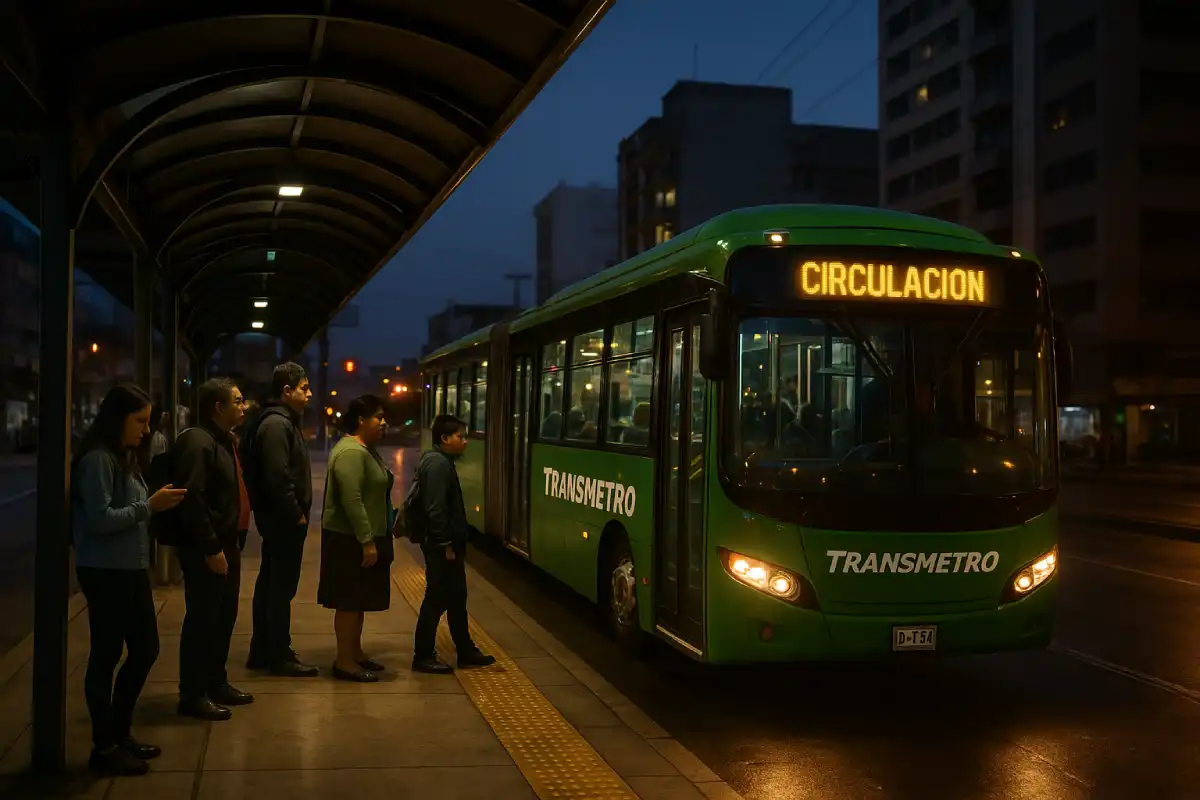
Guatemala City has extremely cheap public transport, but for safety reasons, tourists should primarily rely on the **Transmetro** (Bus Rapid Transit) and private options (Uber/Taxi).
Fares (As of October 2025, estimated):
- Single Transmetro Ride: **1.00 GTQ** ($0.13 USD). Requires a rechargeable **Transmetro card** (purchased at stations). Highly recommended for daytime travel.
- **Chicken Buses (Unsafe):** 1.00 – 5.00 GTQ. These are the colorful, crowded school buses; **tourists are strongly advised to avoid them due to high crime risk.**
- Taxis/Ride-Sharing: Essential for safety. **Uber** is the safest option. A ride between Zona 10 and Zona 1 is typically 30 – 50 GTQ ($3.80 – $6.40 USD).
Tips for Transportation:
- **Transmetro by Day, Uber/Taxi by Night:** Use the Transmetro for daytime inter-zone travel to save money, but switch to app-based services (Uber/Bolt/local apps) exclusively after dark.
- **Airport Transit:** Pre-book an official taxi or shuttle service from the airport, or use Uber. Do not hail unlicensed taxis outside the terminal.
4. Staying Safe: Dangers, Scams, and Avoiding High-Risk Zones
Safety is the single most important consideration when visiting Guatemala City. While specific areas are safe, the city has a high rate of violent and petty crime. Understanding the Zone system is not optional it is essential for personal security.
Common Tourist Dangers:
- **Armed Robbery:** Unfortunately, a risk in high-crime zones and desolate areas. **Never resist a robbery attempt.**
- **Cell Phone Snatching:** High risk, especially from motorcyclists. Never use your phone near a road or bus stop. Keep it hidden.
- **Unlicensed Taxi Scams/Kidnapping:** **ABSOLUTELY AVOID street taxis.** Only use Uber/Bolt or radio-dispatched taxis ordered by your hotel/hostel.
Areas to Be Cautious Of (and Zones to AVOID):
- **HIGH-RISK ZONES (AVOID COMPLETELY):** **Zones 3, 5, 6, 7, 18, 21.** These areas have virtually no tourist infrastructure and are dangerously high-crime.
- **Zona 1 (Historic Center):** Safe during peak business hours (approx. 9 AM – 5 PM), but **becomes very dangerous immediately after sunset**. Do not loiter or walk alone.
- **Bus Terminals (Treasure Cruces):** Extremely high risk for pickpocketing and distraction theft. Use only pre-booked transport to and from terminals.
5. Ensuring a Positive & Unforgettable Guatemala Trip
Use Guatemala City as a cultural springboard, but prioritize safety and efficiency to maximize your experience before heading out to the country’s world-famous destinations.
- **The Zone System is Key:** Treat your safety zones (10 and 4) as home bases. Know the Zone you are entering at all times.
- **Dress Down:** Avoid wearing flashy jewelry, watches, or expensive electronics in public. Look functional, not wealthy.
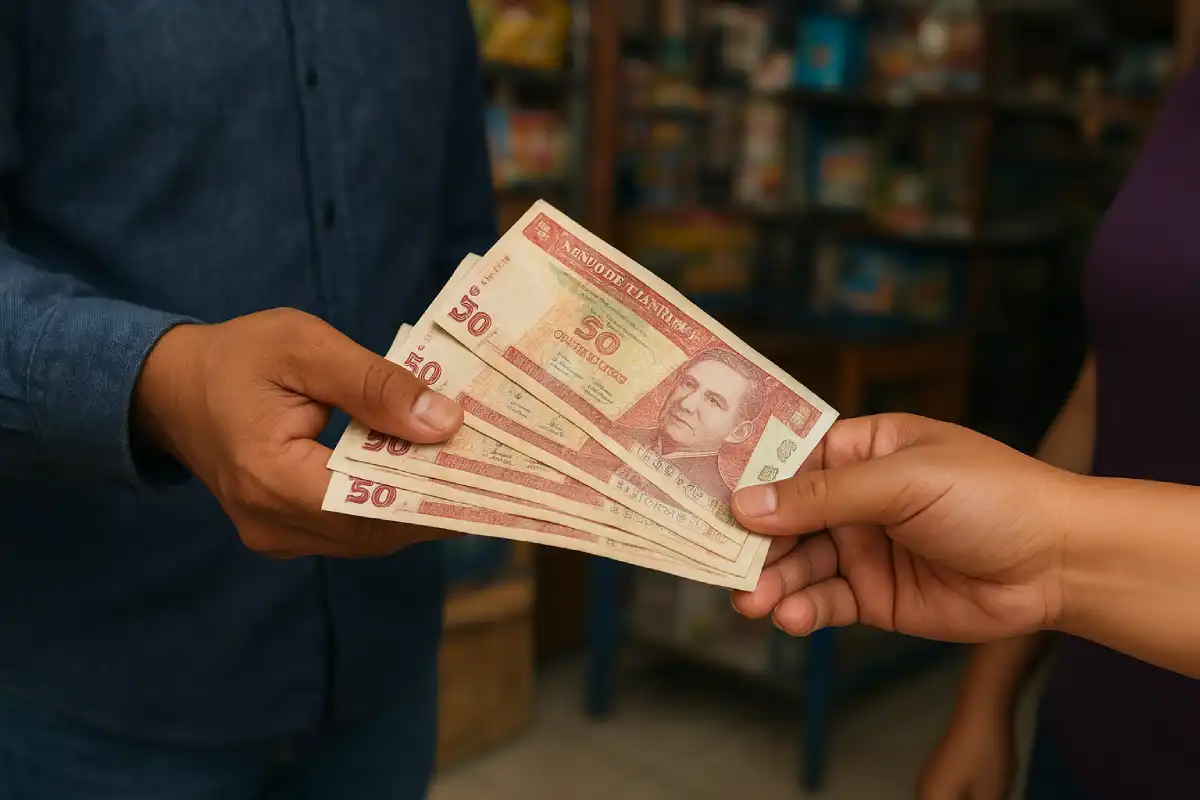
- **Carry Small Bills:** The Quetzal (GTQ) is the currency. Always carry small denominations (5, 10, 20 GTQ) for *comedores* and cheap purchases. Large bills are hard to change.
- **The Gateway to Antigua:** Take advantage of the easy transport to Antigua (a one-hour ride), which is significantly safer and has a higher tourist density.
6. Guatemala City Travel FAQs (October 2025)
What is the safest area to stay for a tourist?
**Zona 10 (Zona Viva)** is overwhelmingly the safest area for tourists, offering the best security, modern services, and relative ease of movement.
Is the tap water safe to drink in Guatemala City?
No, the tap water is **not safe** to drink. Use only bottled water, even for brushing your teeth, and be cautious of ice and unpeeled fruits at low-end vendors.
How much does a ride to Antigua cost?
A shared tourist shuttle costs approximately 70–120 GTQ ($9–$15 USD). This is the safest, most convenient option, far preferable to local public buses.
Is Uber safe to use in the city?
Yes, using Uber or a similar app-based service is highly recommended and is the safest way to travel between Zones, especially after dark, due to tracking and fixed prices.
What is the local word for a cheap eatery?
Look for **Comedores**. These small, local restaurants offer the cheapest and most authentic *Comida Corriente* (set meals).
Your Guatemalan Adventure Starts Here!
Use the capital as your affordable launchpad. Stay alert, respect the Zone system, and enjoy the rich culture before exploring the rest of this beautiful country!
Plan Your Guatemala Route Safely