Greek Mythology Tours in Athens: Are They Worth It?
Athens is the birthplace of democracy and the home of powerful myths and legends. Walking through its ancient sites, you can almost hear the stories of gods and heroes. A Greek mythology tour can bring these ruins to life, but is it the right choice for every traveler? This 2025 guide helps you decide and provides essential budget, safety, and travel tips for a perfect trip to the Greek capital.
Unlocking the Stories of the Gods
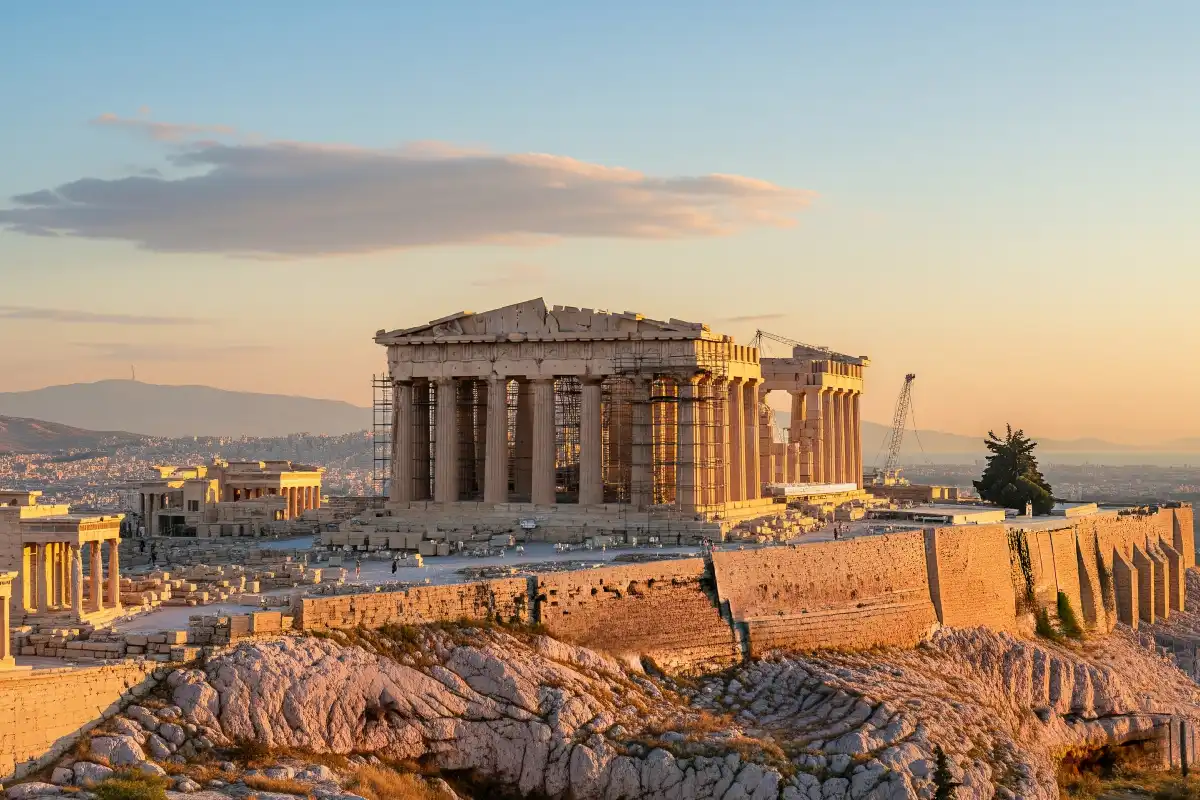
For many, a trip to Athens is a pilgrimage to the past. The city is a living museum, where ancient temples and theaters tell tales of a world ruled by powerful gods and epic heroes. While you can visit sites like the Parthenon and the Temple of Zeus on your own, a dedicated mythology tour can provide a layer of storytelling and context that a guidebook simply cannot. This guide will help you decide if a tour is worth your money, all while providing practical advice on how to enjoy Athens on a budget.
Are Greek Mythology Tours Worth the Cost?
The short answer is yes, for most people. Here’s why:
- Expert Storytelling: A good guide can connect the scattered ruins to a coherent narrative. They can tell you about the mythical battles of Athena and Poseidon or the tragic stories of Greek heroes, making the stones and columns feel alive.
- Context and Meaning: Without context, the sites can just look like piles of old rocks. A guide explains the significance of each temple, statue, and monument, enriching your understanding of a civilization that shaped the modern world.
- Insider Knowledge: Many guides are professional archaeologists or historians. They can provide unique insights and answer your questions in a way that a generic audio guide can’t.
Cost: Tours can range from €20 for a basic walking tour to €60+ for a small group or private tour with a licensed guide. For budget travelers, it’s a good idea to consider a free walking tour that operates on a tip-based model to see if you enjoy the format before paying for a full-price tour.
1. The Cost of a Bed: Budget-Friendly Accommodation
Athens has a great selection of hostels and budget hotels, especially in the central tourist areas. Staying in a well-located neighborhood will save you money on transport and allow you to walk to most of the main sites.
Hostel & Budget Accommodation Prices by Area (Average per night for a dorm bed, August 2025)
| Area | Description | Average Price (USD/night) | Pros for Budget Travelers |
|---|---|---|---|
| Plaka & Monastiraki | The historic tourist heart of Athens, right under the Acropolis. | $15 – $30 | Very central, walkable to almost all major sights, great atmosphere, but can be noisy. |
| Koukaki | A trendy, authentic neighborhood south of the Acropolis. | $12 – $25 | Quieter than Plaka, close to the Acropolis Museum, a local vibe with cafes and restaurants. |
| Exarcheia | A bohemian and alternative neighborhood known for its political history. | $10 – $20 | Cheapest options, vibrant street art scene, but requires extra caution, especially at night. |
Note: Prices are estimates for a dorm bed and are subject to significant fluctuation based on season. Private rooms or budget hotels will be 2-3x more expensive.
Tips for Saving on Accommodation:
- Book Early: Athens is incredibly popular in the summer. Booking your accommodation several months in advance is the best way to secure a good price.
- Consider Koukaki: It offers the best of both worlds it’s a short walk to the main attractions but is quieter and more affordable than Plaka.
2. Eating on a Dime: Athens’ Budget Food Scene
Eating in Athens can be very affordable. By avoiding tourist traps and eating where the locals do, you can enjoy delicious food for just a few euros.

Estimated Budget Food Costs (August 2025):
- Breakfast: €3 – €6 ($3.30 – $6.60 USD) for a pastry (“spanakopita” or “tyropita”) and coffee from a bakery.
- Lunch: €5 – €10 ($5.50 – $11 USD) for a “souvlaki” wrap or “gyros” from a street stall.
- Dinner: €10 – €18 ($11 – $20 USD) for a meal at a traditional “taverna” or a casual restaurant.
- Daily Budget for Food: €20 – €30 ($22 – $33 USD) if you stick to street food and local eateries.
Budget Eating Tips:
- Eat Gyros and Souvlaki: These are the most famous and affordable street foods. Look for stalls with a long line of locals for the best quality and prices.
- Visit a Bakery (“Fournos”): Bakeries are everywhere and offer a wide variety of fresh, cheap, and delicious savory and sweet pastries.
- Supermarkets are Your Friend: Buy groceries from a local supermarket to make your own breakfasts and snacks.
3. Getting Around: The Cost of Public Transit
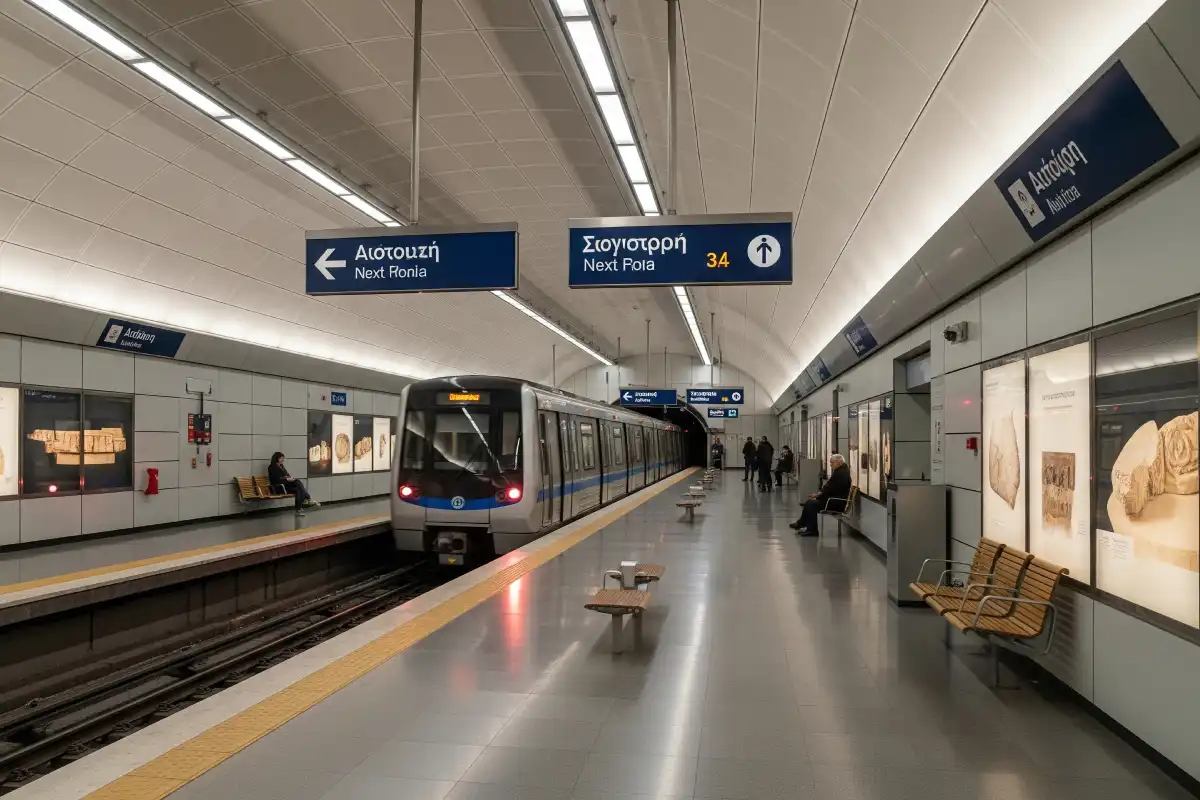
Athens has a clean, safe, and efficient public transport system, including a metro, trams, buses, and electric trolleybuses. The metro is the best way to get around the city.
Fares (As of August 2025, subject to minor changes):
- Single Ticket: A 90-minute ticket costs €1.20 ($1.30 USD) and allows you to transfer between modes of transport (except for the airport line).
- 24-Hour Pass: A day pass costs €4.10 ($4.50 USD) and is a great value if you plan to use public transport more than three times.
- 5-Day Pass: A 5-day pass costs €8.20 ($9 USD) and is perfect for a longer stay.
Tips for Transportation:
- Walk in the Center: The main tourist areas like Plaka, Monastiraki, and the Acropolis are best explored on foot.
- Buy a Multi-Day Pass: If you’re staying for more than a day, the 24-hour or 5-day passes are very economical.
- Be Aware of Strikes: Public transport strikes are not uncommon in Athens. Always check local news to see if there are any planned strikes.
4. Staying Safe: Dangers, Scams, and Areas to Avoid
Athens is a relatively safe city for tourists. The main concerns are petty crime, especially in crowded tourist areas. With a bit of common sense, you can easily avoid most issues.
Common Dangers & Scams:
- Pickpocketing: This is the most common crime. Be vigilant in crowded areas like the metro, particularly on the line to the airport, and at tourist sites like the Acropolis. Keep your valuables in a secure, zipped bag or a front pocket.
- The “Rose” Scam: A person, often a woman or child, will give you a rose and then demand payment. Politely decline and do not take the rose.
- Overpriced Food/Drinks: In the tourist areas, especially near Plaka and Monastiraki, some restaurants may overcharge for items not listed on the menu. Always check the prices before ordering.
Areas to Be Cautious Of:
- Omonia & Exarcheia (at night): While interesting and full of life, these areas can be less safe, especially after dark. Stick to well-lit main streets.
- Central Market Area (especially late at night): The area around the Central Market can be a bit sketchy after dark. It’s best to visit during the day.
General Safety Advice:
- Walk Confidently: Walk with a purpose and act like you know where you’re going, even if you don’t.
- Keep a Photocopy of Your Passport: Carry a photocopy of your passport’s information page and visa with you, leaving the original in a secure location at your accommodation.
- Be Mindful of Your Belongings: Don’t leave your phone on a table at a cafe or your bag unzipped.
- Emergency Numbers: Police 100, Tourist Police 1571.
5. Ensuring a Positive & Unforgettable Athens Trip
Embracing the culture and preparing for the heat will help you have a fantastic time in Athens.
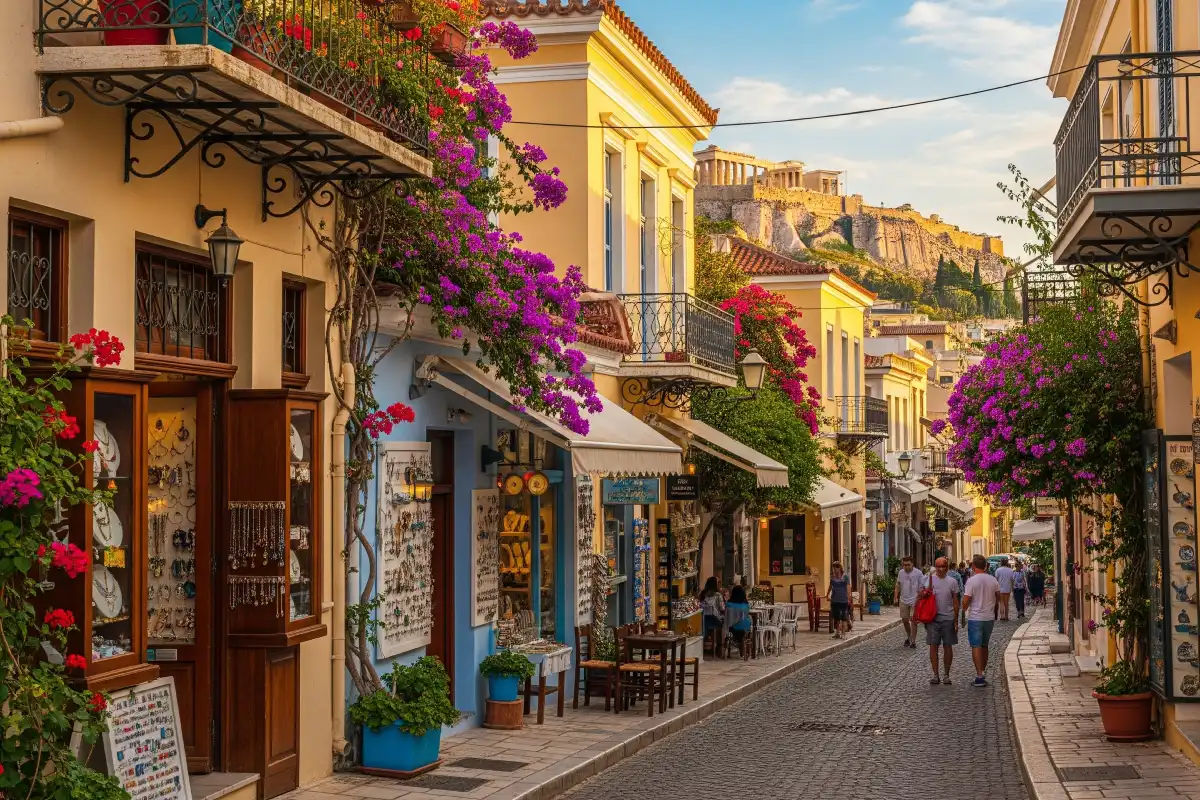
- Wear Comfortable Shoes: The streets of Athens, especially in the historic areas, are often cobblestone and uneven. Comfortable shoes are a must.
- Stay Hydrated and Take Breaks: Athens can be scorching hot in the summer. Drink lots of water and take breaks in the shade.
- Haggle in the Markets: While not a place for aggressive haggling, a friendly negotiation for souvenirs in the markets is expected.
- Visit the Acropolis Early or Late: To avoid the crowds and the intense heat, visit the Acropolis right when it opens or an hour or two before it closes.
- Embrace the “Siga Siga” (Slowly, Slowly) Culture: Greeks have a more relaxed pace of life. Be patient and enjoy the moment. Don’t rush.
6. Athens Travel FAQs (August 2025)
Is it safe to walk around Athens at night?
Major tourist areas like Plaka, Monastiraki, and Syntagma Square are well-lit and generally safe at night. Use caution in less-populated areas and near Omonia Square.
What is the local etiquette for tipping?
Tipping is not as ingrained in Greek culture as it is in the US, but it is appreciated. For a good service at a restaurant, rounding up the bill or leaving 5-10% is customary. For taxis, rounding up to the nearest euro is common.
What is the best way to get from the airport to downtown Athens?
The metro is the most convenient and cost-effective option. The Airport Line (Blue Line) runs directly to Syntagma and Monastiraki. The airport bus (X95) is also a good, cheaper alternative.
Can I use my credit card everywhere in Athens?
Credit cards are widely accepted at hotels, restaurants, and larger shops. However, for street food, small cafes, and souvenir stalls, cash is often preferred. Always carry some euros with you.
Is it safe to drink the tap water in Athens?
Yes, the tap water in Athens is safe to drink. This can save you a lot of money on bottled water and is better for the environment. You can fill up your water bottle from the taps at your accommodation or at public fountains.
Your Athens Adventure Awaits!
A Greek mythology tour can truly enhance your trip, bringing the ancient world to life. With these practical tips, you are ready to explore Athens confidently, on a budget, and with a deep appreciation for its rich history and culture. Enjoy your journey to the land of gods and heroes!
Start Planning Your Athens Trip