Gluten-Free Travel on a Budget: Where and How
Traveling with dietary restrictions, particularly **gluten-free (GF)** due to celiac disease or sensitivity, often comes with a financial penalty. Pre-packaged GF foods are expensive, and dining out at specialized restaurants quickly drains a budget. However, adhering to a gluten-free diet while traveling affordably is entirely possible. It requires a shift from relying on substitute products to embracing naturally GF cuisines, mastering self-catering, and knowing how to communicate effectively.
Where to Go: Naturally Gluten-Free Destinations 🌍
Choosing a destination with a cuisine built around rice, corn, and potatoes is the single most effective way to save money and stay safe.
1. The Budget-Friendly GF Champions
These regions typically offer naturally safe and delicious staple foods at a low cost:
- **Southeast Asia (Thailand, Vietnam, Laos):** Staple foods are **rice** (rice noodles, sticky rice, jasmine rice). Dishes are often thickened with cornstarch or rice flour. **Key:** Ask to substitute soy sauce (which contains wheat) with fish sauce.
- **Latin America (Mexico, Peru, Colombia):** Staple foods are **corn** (tortillas, arepas), **potatoes**, and **rice**. Fresh fruit, beans, and grilled meats (carne asada) are often naturally safe.
- **Sub-Saharan Africa:** Diets are usually based on cornmeal (sadza/ugali), yams, cassava, and millet. Seek out simple, traditional stews and grilled preparations.
2. Destinations Where Caution (and Cost) is Higher
Countries with a high prevalence of wheat-based staples (bread, pasta, pastries) often force budget travelers into expensive, specialized GF shops. This includes most of Western Europe (outside of Italy’s certified GF scene) and Central Europe.
Celiac Traveler’s Strategy: Lisa M., Gluten-Free Backpacking Forum
“Before I go anywhere, I research the top five **naturally gluten-free street foods**. For example, in Mexico, it’s tacos al pastor on corn tortillas; in Vietnam, it’s pho (rice noodle soup). Sticking to cheap, single-ingredient street foods that are naturally GF is my primary way to avoid the expensive GF tax in dedicated restaurants.”
How to Do It: Budget-Friendly Meal Hacks 🔪
Maximize the use of communal kitchens (if available) and local markets to slash your food expenses.
1. Embrace Self-Catering and Hostels
Accommodation with kitchen access is non-negotiable for GF budget travel.
- **The Big Three Staples:** Focus your grocery trips on cheap, naturally safe staples: **Rice/Quinoa, Eggs, and Potatoes**. These are universally available and inexpensive.
- **Safety First Prep:** If using a hostel kitchen, use your own foil or parchment paper on shared baking sheets and use the cleanest pan available. Wash your own utensils thoroughly to avoid cross-contamination (CC) from wheat residue.
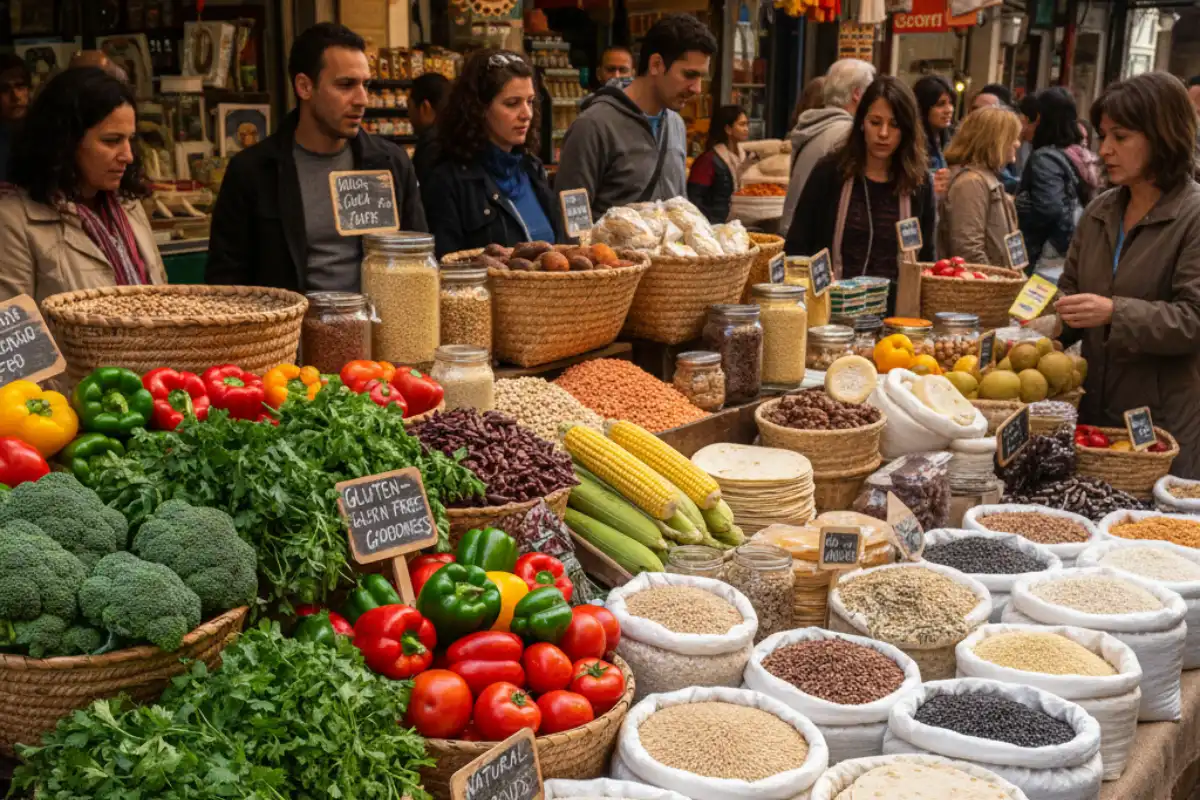
- **Market Power:** Buy fresh fruits, vegetables, and unprepared meat/fish directly from local open-air markets rather than chain supermarkets, as prices are usually lower and ingredients fresher.
2. Restaurant Communication and Safety
Dining out requires extreme vigilance, especially on a budget where cheap ingredients may harbor hidden gluten.
- **The Language Card:** Always carry a professional-quality, detailed **Gluten-Free Translation Card** in the local language. This card should explain Celiac Disease and the risks of cross-contamination (e.g., “Do not use the same oil or chopping board as bread.”).
- **Safe Choices:** Order simple, non-sauced dishes like grilled fish/chicken, simple rice plates, baked potatoes, or salads (with dressing on the side). Avoid anything deep-fried, as shared fryers are the most common source of CC.
- **Check, Check, Check:** Politely ask the staff to confirm twice. Your safety is more important than avoiding a few minutes of awkward conversation.
Global Celiac Advocate: Jeff K., Celiac Foundation Newsletter
“Before booking a flight, check if the local Celiac Association (e.g., Associazione Italiana Celiachia) has a smartphone app or a list of certified restaurants. While certified places are sometimes pricier, knowing one or two guaranteed safe spots for an occasional meal can save you from a reaction that ruins a whole day of travel.”
Frequently Asked Questions About Gluten-Free Budget Travel
Are pre-packaged gluten-free snacks worth the money while traveling?
Only for transit days. Pre-packaged GF snacks are typically much more expensive than local equivalents. Instead, pack naturally safe, cheap snacks like **nuts, seeds, hard-boiled eggs, or simple fresh fruit** purchased from a local market. Save the expensive GF bars for emergencies.
How do I safely handle airport food on a long layover?
The safest and most budget-friendly method is to pack your own food (sandwiches on GF bread, cut vegetables, etc.). If you must buy, stick to sealed packages of yogurt, pre-cut fruit, or known chain coffee shops that offer certified GF breakfast items, as their processes are usually standardized globally.
Which cooking oil is safest to use in a hostel to prevent cross-contamination?
Always buy your own small bottle of oil, as shared oils can become contaminated if someone dips a glutened utensil into them. **Olive oil or vegetable oil** is safest. Never use shared deep-fry oil, as it is almost guaranteed to be contaminated by breaded items.
Is it safe to drink alcohol abroad on a gluten-free diet?
Yes, but stick to safe sources. Most **wines and spirits (like rum, tequila, and brandy)** are naturally GF. Avoid beer unless it is clearly labeled as certified gluten-free. Be aware that mixed drinks can contain pre-made mixes that might harbor hidden gluten.
How do I find gluten-free food in local supermarkets abroad?
Don’t just look for the specialized GF aisle. Focus on the periphery: the produce section, the fresh meat counter, and the rice/legume bins. Look for simple, naturally GF ingredient lists. Many international brands use the **EU’s crossed grain symbol** to clearly mark certified safe products.
Conclusion: Empowerment Through Preparation
Gluten-free travel doesn’t have to be restrictive or expensive. By shifting your focus from purchasing costly substitutes to embracing the delicious, naturally GF foods of local cultures, you turn your dietary restriction into an opportunity for authentic, budget-friendly culinary exploration. Prioritize destinations known for rice and corn, master the art of hostel cooking, and always, always communicate your needs clearly. Armed with this knowledge, you can travel the world safely, affordably, and without compromising your health.