Furano: Quiet Slopes and Deep Snow
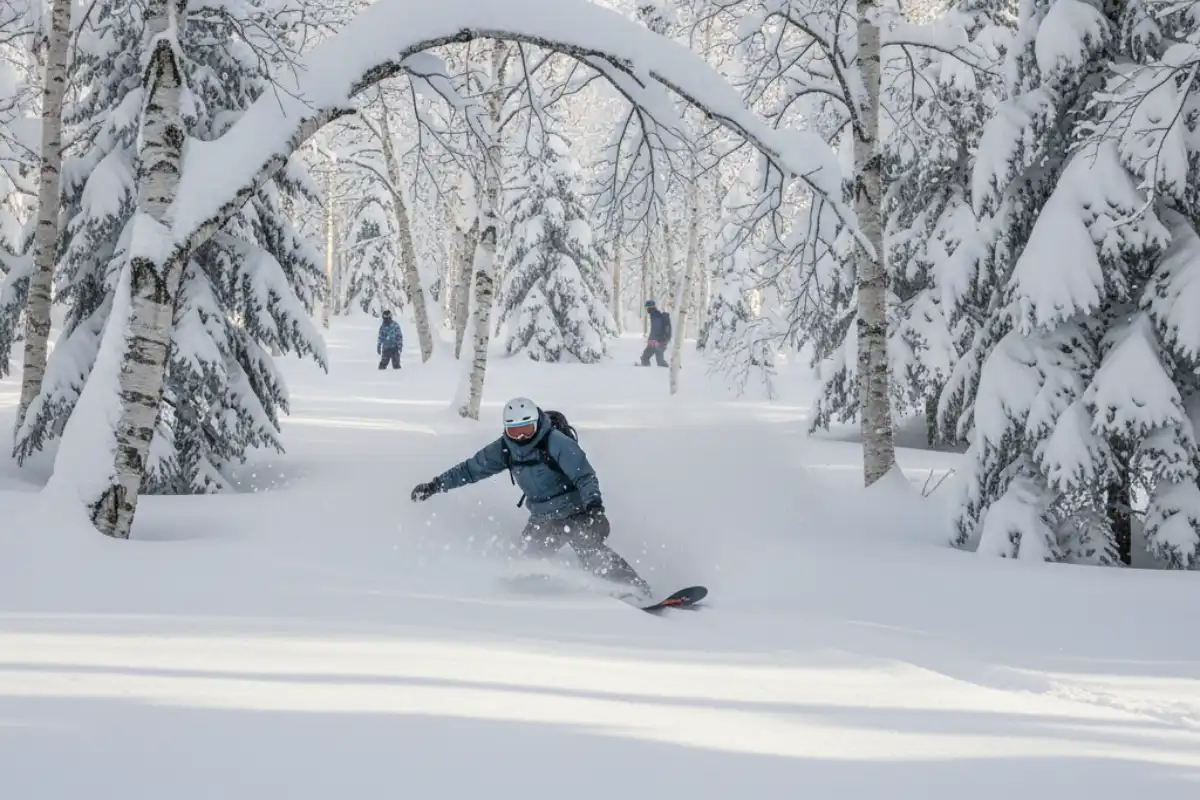
Furano, nestled in the heart of Hokkaido, is a world-class ski destination famous for its consistent supply of **"Japow"** (light, dry, deep powder) and significantly less crowded slopes compared to its neighbour, Niseko. Split into two main areas Kitanomine and Furano Zone it offers excellent groomers and rewarding off-piste tree skiing. As a non-major international hub, Furano provides a more authentic and affordable Japanese experience. This 2026 budget guide focuses on the key savings strategy: securing cheap hostel beds in the authentic **Furano Town**, leveraging Japan's highly affordable dining culture, and utilizing the local bus and train network to maximize your powder days.
1. Japanese Value: Budget Accommodation & Hostel Costs (2026)
The Furano ski area is divided into the Kitanomine side (closest to the main resort hotels) and the Furano Zone (closer to the town). Staying in Furano Town is the best budget option.
Hostel & Budget Accommodation Prices by Area (Average per night, January 2026) – All Prices in Japanese Yen (JPY)
| Area/Neighbourhood | Description | Average Price (JPY/night) | Budget Focus |
|---|---|---|---|
| **Kitanomine Base Area** | Closest to the Kitanomine gondola and resort hotels. Higher premium. | **¥5,000 – ¥8,000** (Simple Minshuku/Pension Private Room) | Convenient, but fewer dedicated hostels and higher prices. |
| **Furano Town (Downtown)** | Closest to the train station, supermarkets, and local dining. | ¥3,500 – ¥6,000 (Hostel Dorm Bed / Budget Minshuku) | **Ultimate Budget Hack:** Cheapest lodging, best access to budget food and authentic local life, relies on the cheap shuttle/local train. |
| **Furano Zone Base** | Near the New Furano Prince Hotel. Quiet, but isolated from the main town center. | ¥6,000 – ¥10,000 (Basic Hotel/Pension Split) | Good for early lift access; limited evening entertainment or budget food options nearby. |
2. Sustenance: Affordable Japanese Comfort Food
Japan offers some of the best value dining in the world. Utilizing local spots, quick lunch joints, and convenience stores (Konbini) is key to a low budget.
Estimated Budget Food Costs (January 2026)
- **Supermarket/Konbini Groceries (1-day self-catering):** ¥1,000 – ¥2,000 (Konbini meals, rice balls, instant ramen are cheap and good quality).
- **Budget Lunch (*Ramen/Udon*):** ¥800 – ¥1,500 (A hot bowl of ramen or udon is the perfect, cheap, and filling ski lunch; avoid slopeside cafes).
- **Cheap Dinner Option (*Izakaya/Curry*):** ¥2,000 – ¥3,500 (Local *Izakayas* (pubs) or a simple Japanese curry house offer excellent value and hearty meals).
- **Drinks/Alcohol:** Local beer and sake are moderately priced. Vending machine drinks are cheap.
- **Estimated Daily Budget for Food (Ramen/Konbini Mix):** ¥3,500 – ¥6,000 (€22 – €38).
3. Activities and Entertainment Costs (Skiing & Powder Fun)
Furano Ski Resort provides an excellent mix of long, perfectly groomed cruising runs and challenging tree skiing, benefiting from two large zones and consistent snowfall.
- **Furano Day Lift Pass (Peak Season):** Approx. **¥6,500 – ¥8,000** (€41 – €50). (Very competitive pricing for a resort of this quality).
- **Lift Pass Hack: Multi-Day Pass:** Buying a 3 or 5-day pass usually offers a slight discount, but Furano’s daily price is already low.
- **Ski/Snowboard Rental (Standard Kit, 1 Day):** Approx. **¥4,500 – ¥7,000** (Rent from a shop in Furano Town for savings over the resort base).
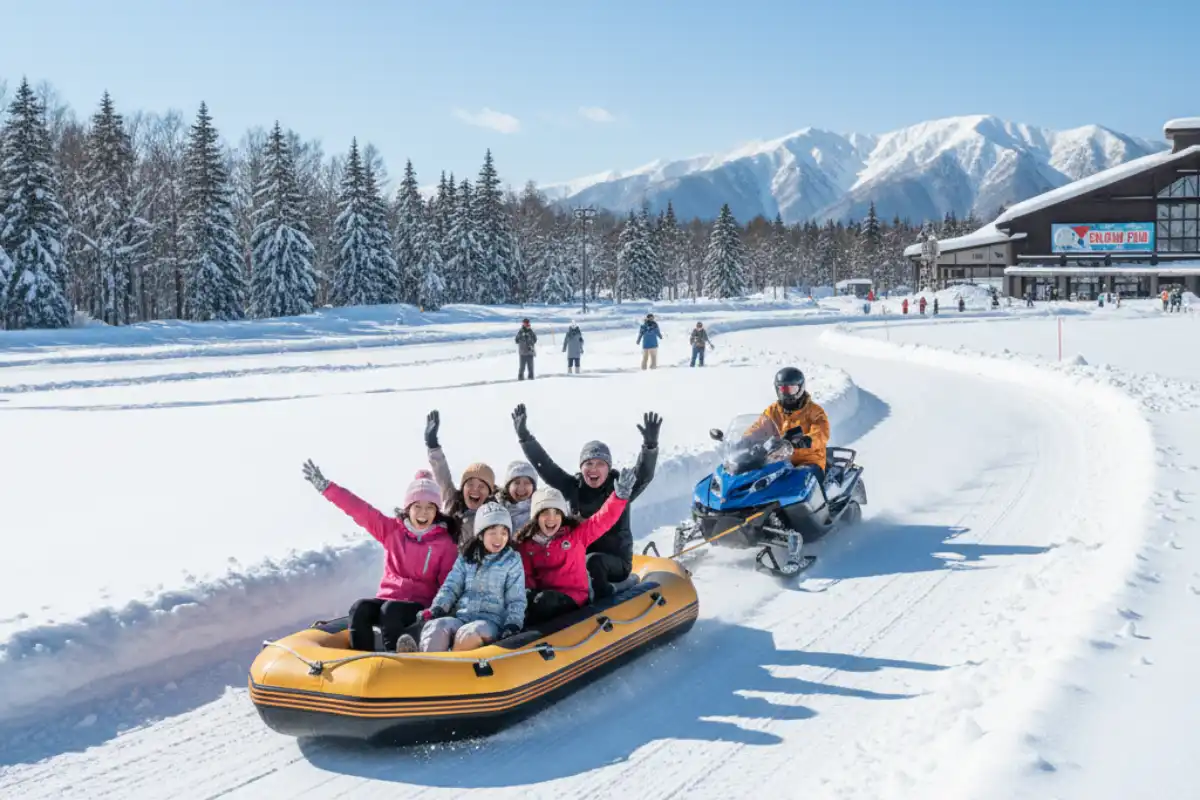
- **Snow Activities:** Activities like **Snow Rafting** (pulled by a snowmobile) or **Snowmobiling** are paid, but offer great fun (approx. ¥3,000 – ¥10,000 depending on duration).
- **Free Activities:** Exploring the local *shrine* in the town, enjoying the lively local bars in the evening, and taking advantage of deep powder days, which feel like a bonus activity!
4. Getting Around: Bus and Local Trains
Public transport is efficient, although connections can be slower than in larger cities. The key is relying on the local bus and the train for regional travel.
Essential Transport for Tourists:
- **Local Bus/Resort Shuttle:** A shuttle bus typically runs between Furano Town (station area) and the Kitanomine/Furano Zone bases. This service is often **FREE** for lift pass holders or is very low-cost (a few hundred Yen).
- **JR Furano Line (Train):** The local train line connects Furano Town to nearby destinations. Fares are low and reliable for regional travel (e.g., to Asahikawa or Biei).
- **Airport Access:** Arriving via New Chitose Airport (CTS) requires a longer train journey (via Sapporo) or a direct paid bus shuttle, which is generally faster and easier (approx. ¥4,000 – ¥5,500).
5. Safety in Furano: Dangers and Scams (2026)
Japan is one of the safest countries globally. Furano has an extremely low crime rate. The main concerns are environmental and related to Japanese cultural norms.
Key Dangers for Tourists:
- **Out-of-Bounds/Tree Wells:** The deep, dry powder creates significant **Tree Well** hazards, especially in unpatrolled tree areas. Unlike some resorts, Furano is strict about boundaries. **DO NOT duck ropes**, and always ski/ride with a partner when near trees.
- **Icy Roads:** The roads around Hokkaido are often ice-packed. If driving, ensure your rental car has proper winter tires, and drive slowly.
There are no ‘no-go’ areas; the entire town is safe.
- **Tipping Confusion:** Tipping is not expected in Japan and can sometimes be considered rude. Do not tip your server, driver, or hotel staff it is not a scam but a cultural faux pas that could lead to confusion.
- **Cash Reliance:** While major hotels and resort areas accept cards, many small, authentic local restaurants (*Izakayas*, *Ramen* shops) in Furano Town operate on a **cash-only basis** (JPY). Always carry sufficient cash for budget dining.
Respect local customs (especially around tipping) and the serious nature of the powder terrain for a flawless trip.
6. Insider Tips for an Epic, Positive Furano Trip
- **Go for the First Run:** Furano is famous for its lack of crowds. Get on the **Furano Zone Ropeway** (a high-speed gondola) right when the lifts open for almost guaranteed fresh tracks and pristine groomers on the steep upper slopes.
- **Eat Local:** Seek out tiny, cash-only *Izakayas* and *Ramen* shops in Furano Town. Ask your hostel or guesthouse host for their favourite local spot this is where you find the best value and most authentic experience (try the local Furano Omelet Rice).
- **Visit the Onsen:** Hokkaido is famous for its natural hot springs (*Onsen*). Dedicate an evening to visiting a local *onsen* (usually paid entry, but worth it) to relax your muscles. Note the strict Japanese *onsen* etiquette.
- **Explore Kitanomine:** If the Furano Zone is busy, take the lift over to the Kitanomine side. It often offers less-tracked snow and diverse terrain, and the two areas are easily connected.
7. Essential Furano Travel FAQs (January 2026)
How do I get from Furano Town to the ski slopes?
A reliable, often free, shuttle bus runs frequently between Furano Town (near the station) and the two ski base areas (Kitanomine and Furano Zone) during the winter season.
Is Furano less crowded than Niseko?
Significantly so. Furano attracts fewer international tourists than Niseko, resulting in much less competition for fresh powder and shorter lift lines, especially mid-week.
Do I need to carry cash (JPY)?
Yes. While large hotels accept cards, many small, budget-friendly local restaurants, *Izakayas*, and convenience stores (Konbini) in Furano Town operate strictly on a **cash-only basis**.
Is the snow quality good in Furano?
Yes. Furano is located inland, offering extremely light, dry, and cold powder snow, considered some of the best in the world (known as “Japow”).
Are there many English speakers in Furano?
Fewer than in Niseko, but staff at the resort base and major hotels speak English. Outside of the resort area, learning a few basic Japanese phrases will greatly enhance your experience.
Ready to discover the uncrowded slopes and legendary powder of Furano? Start planning your affordable Japanese ski adventure today!
Find Affordable Furano Hostels Now