Financial Security & Scams
Protecting your money, avoiding ATM fraud, and recognizing common travel scams.
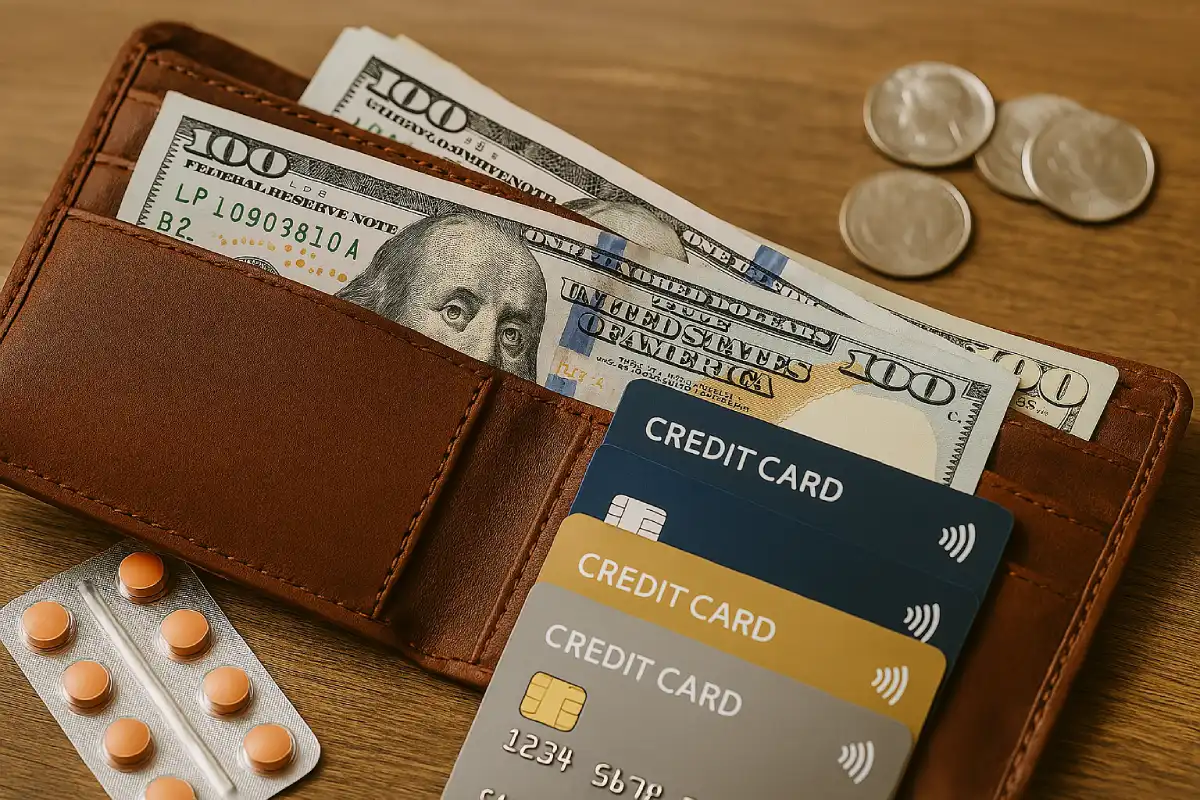
The freedom of travel is exhilarating, but navigating foreign financial landscapes can feel daunting. From managing currency exchange to safeguarding your funds and avoiding cunning scams, protecting your money is a critical aspect of a stress-free journey. A lost wallet or a successful scam can not only deplete your funds but also significantly dampen your travel spirits.
This guide empowers you with essential strategies for financial security while traveling. We’ll cover smart ways to carry cash and credit cards, how to spot and avoid ATM fraud, and how to recognize common travel scams that target unsuspecting tourists. By being prepared and vigilant, you can ensure your hard-earned money stays safe, allowing you to fully enjoy your adventures. (Updated for 2025).
Before You Go: Financial Preparedness is Key
A little planning can save you a lot of heartache (and money) on the road:
1. Notify Your Bank & Credit Card Companies 🏦
Before any international trip, inform your banks and credit card issuers of your travel dates and destinations. This prevents them from flagging your overseas transactions as suspicious and freezing your cards. Many banks allow you to do this online or through their app.
2. Diversify Your Funds 💳💵
Never rely on a single source of money. Carry a mix of:
- Two (or more) Debit Cards: For ATM withdrawals. Keep them in separate places.
- Two (or more) Credit Cards: For larger purchases and emergencies. Ensure at least one has no foreign transaction fees.
- Some Local Cash: For immediate needs upon arrival (taxis, small purchases). Don’t carry excessive amounts.
3. Know Your PINs & Emergency Numbers 📞
Memorize your card PINs. Store emergency contact numbers for your banks and credit card companies (international numbers!) in your phone and written down in a secure, separate place (e.g., wallet, digital cloud storage, email to yourself). Keep a photo or photocopy of the front and back of your cards (obscuring the security code) in a secure cloud folder.
4. Understand Foreign Transaction Fees & Exchange Rates 💲
Research exchange rates and look for credit cards or debit cards that waive foreign transaction fees. These fees, typically 1-3% per transaction, can add up quickly.
Experienced Traveler Insight: Liam, Long-Term Budget Traveler
“My biggest financial hack is having multiple cards from different banks, all with no foreign transaction fees. I keep my primary debit card and a credit card in my main wallet. My backup debit and credit cards are hidden in a separate bag or a secure pocket in my backpack. This way, if my wallet is stolen, I’m not stranded without access to money. I’ve only needed the backups once, but it was a lifesaver!”
On the Go: Cash & Credit Card Security
1. Secure Your Wallet & Belongings 💼
- Front Pocket Rule: Always keep your wallet in your front pocket, not a back pocket.
- Anti-Theft Bags: Use bags with slash-proof straps, lockable zippers, and internal security pockets.
- Money Belt/Neck Pouch: For larger sums of cash, backup cards, or your passport, wear a money belt or neck pouch *under* your clothing. This is not for daily access.
- Don’t Display Wealth: Avoid flashing large sums of cash, expensive jewelry, or high-end electronics.
2. Smart ATM Usage 🏧
ATMs are convenient, but also a target for fraudsters:
- Use Bank-Affiliated ATMs: Prefer ATMs located inside or directly outside banks during business hours. These are generally safer and better monitored than standalone ATMs in secluded areas.
- Inspect the Machine: Before inserting your card, check for any suspicious devices on the card reader (skimmers) or pin pad (false keypads). Tug lightly on the card slot to see if anything comes loose.
- Cover Your PIN: Always cover your hand when entering your PIN, even if no one seems to be around.
- Be Aware of Your Surroundings: Don’t use an ATM if anyone suspicious is loitering nearby. If possible, have someone watch your back.
- Limit Withdrawals: Take out only what you need for a few days to avoid carrying excessive cash.
Experienced Traveler Insight: Ben, Adventure Traveler
“I had my card skimmed at a non-bank ATM in a busy square once. Now, I only use ATMs attached to established banks, and I always give the card reader a good wiggle and cover my hand when I type my PIN. It takes an extra five seconds, but it’s worth the peace of mind to avoid a fraudulent charge nightmare later.”
3. Credit Card Usage: Vigilance at POS 🛒
- Keep Your Card in Sight: When paying, ensure your card is processed in front of you. Never let it disappear into a back room.
- Check the Amount: Verify the total amount before swiping, tapping, or signing.
- Use Contactless Payment (where available): This reduces the risk of skimming.
- Review Statements: Monitor your bank and credit card statements frequently, ideally daily via mobile banking apps, to spot any unauthorized transactions immediately.
Recognizing Common Travel Scams: Don’t Be a Target!
Scammers are cunning and target unsuspecting tourists. Be aware of these common cons:
- The “Friendly Local” Who Steers You to an Expensive Shop/Tour: Often starts with a friendly chat, then insists on showing you something “special,” leading you to a place where they get a commission for your purchases. Politely decline and move on.
- Fake Petition/Charity: Someone approaches you with a clipboard, asking you to sign a petition or donate to a fake charity. While you’re distracted, an accomplice picks your pocket.
- The “Spill” or “Bird Poop” Diversion: Someone “accidentally” spills something on you. While they profusely apologize and “help” clean it, an accomplice steals your wallet or bag. Immediately move away and clean yourself.
- Broken Taxi Meter / Inflated Fares: Always confirm the price *before* getting into a taxi, or insist on the meter (and ensure it’s running correctly).
- “Free” Bracelet/Rose Scam: Someone hands you a “gift” (bracelet, flower) and then aggressively demands payment. Don’t take anything offered to you by strangers. If they force it, drop it and walk away.
- “Found” Ring/Wallet Scam: A person “finds” a valuable item near you and tries to share the “find,” often leading to a distraction or a demand for money.
- Currency Exchange Scams: Offering to exchange money on the street at a “better rate” than official kiosks. This often involves sleight of hand or counterfeit currency. Only use official banks or exchange offices.
Experienced Traveler Insight: Jessica, Family Traveler
“We almost fell for the ‘broken taxi meter’ scam in Rome. The driver suddenly declared a ridiculously high flat rate. I remembered advice to always confirm first, so we got out and found another taxi immediately. It might feel awkward, but standing your ground saves you money and stress.”
Frequently Asked Questions About Travel Financial Security
How much cash should I carry when traveling?
It depends on your destination. In some places (e.g., rural areas, street markets), cash is king. In others, credit cards are widely accepted. A good rule of thumb is to carry enough cash for a day or two’s small expenses (food, local transport) and emergencies, but avoid carrying large sums. Keep the bulk of your funds in diversified, securely stored cards.
What’s the safest way to store my backup credit cards/cash?
Never keep all your money/cards in one place. Store backups in a separate, secure location. Options include: a money belt worn under your clothes, a hidden pocket in your luggage (not your main wallet), or a locked section of your backpack. Some travelers even divide cash among different family members or travel companions.
What should I do if my credit card is lost or stolen abroad?
Immediately call your bank/credit card company using their international emergency number (which you should have stored). Report the card lost/stolen and have it canceled. Ask them about emergency card replacement options. If possible, file a police report for insurance purposes.
Are RFID-blocking wallets/bags necessary?
While the risk of RFID skimming (wirelessly stealing card data) is relatively low, an RFID-blocking wallet or bag offers an inexpensive layer of protection and peace of mind. It’s not strictly necessary for everyone, but it certainly doesn’t hurt, especially if you carry cards with contactless payment features.
Is it better to exchange currency at the airport or locally?
Airport exchange kiosks often have the worst exchange rates. It’s usually better to exchange a small amount of money before you leave home for immediate needs, then withdraw local currency from an ATM once you arrive. ATMs typically offer the best exchange rates, especially if you use a debit card with no foreign transaction fees. Avoid exchanging money with individuals on the street.
How can I protect myself from online financial scams while traveling?
Be extremely cautious with public Wi-Fi; avoid online banking or sensitive transactions unless you are using a Virtual Private Network (VPN). Use strong, unique passwords for all online accounts. Be wary of phishing emails or texts pretending to be from airlines, hotels, or banks. Only use secure, reputable websites for bookings and payments.
Conclusion: Travel Smart, Spend Securely
Financial security is a cornerstone of worry-free travel. By taking proactive steps before you leave, practicing vigilance with your cash and cards on the go, and familiarizing yourself with common scams, you significantly reduce your vulnerability. Remember, a savvy traveler isn’t just one who explores widely but one who does so intelligently, protecting their resources and ensuring their focus remains on the incredible experiences of their journey. Stay smart, stay safe, and enjoy your travels!