Exploring Morocco Without Breaking the Bank
Morocco is a country of vibrant colors, rich history, and stunning landscapes, from the bustling medinas of Marrakech to the peaceful Sahara Desert. While it can feel like a budget destination, a traveler who isn’t careful can still overspend. This 2025 guide provides the ultimate tips for a budget-friendly Moroccan adventure. We cover everything from affordable accommodation and delicious street food to navigating public transport and staying safe, ensuring your trip is as authentic as it is economical.
The Gateway to Africa on a Shoestring
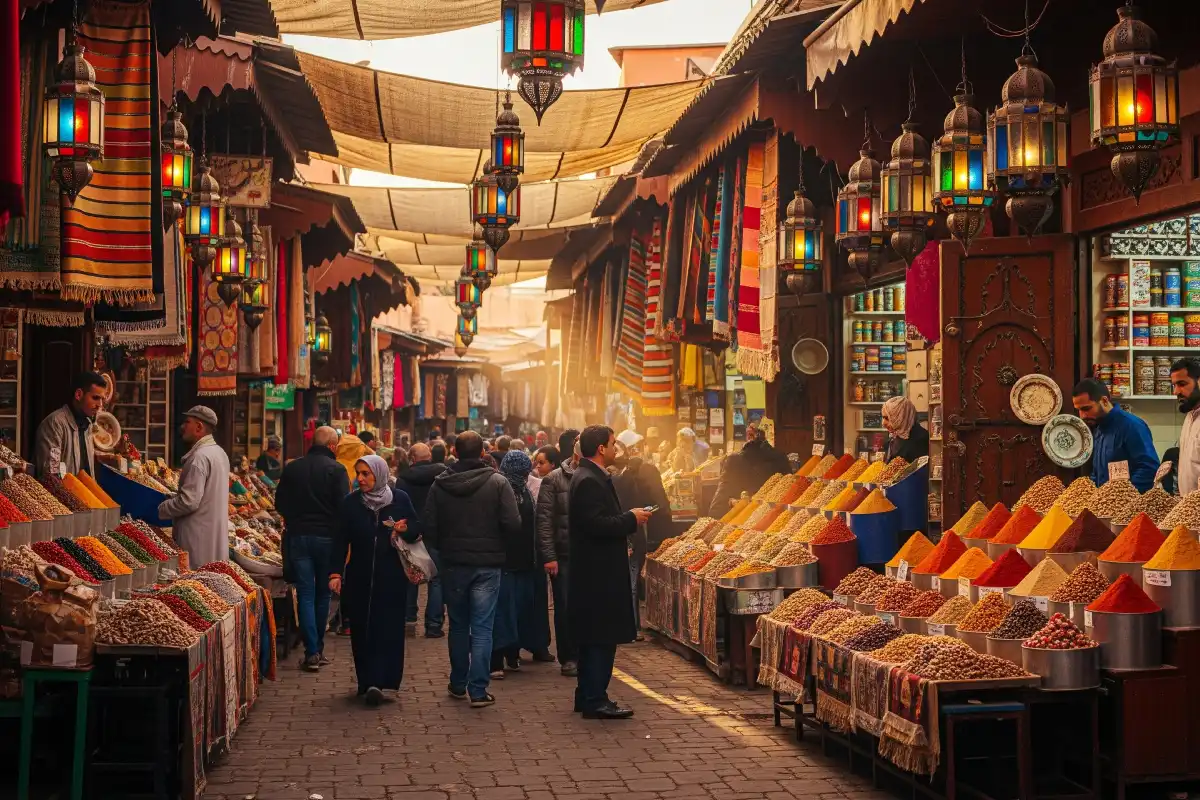
Morocco is a feast for the senses, but it can be overwhelming for a first-time visitor. The key to enjoying it on a budget is to embrace the local way of life. By choosing traditional riads or hostels, eating from street stalls, and using local transport, you can experience the country’s magic without the high price tag. Haggling is a part of the culture, and being patient and respectful will get you the best deals.
1. The Cost of a Bed: Budget-Friendly Accommodation
Accommodation in Morocco is generally very affordable. The best budget-friendly options are hostels and “riads” (traditional Moroccan houses with an interior courtyard) which often have dorms or private rooms at low prices.
Hostel & Budget Accommodation Prices by City (Average per night for a dorm bed, August 2025)
| City | Description | Average Price (USD/night) | Pros for Budget Travelers |
|---|---|---|---|
| Marrakech (Medina) | The bustling, walled city. Most hostels are located in the Medina. | $8 – $15 | Incredibly cheap, authentic atmosphere, and close to everything. |
| Fez (Medina) | Home to the largest car-free urban area in the world. | $7 – $14 | Even cheaper than Marrakech, a more traditional and less touristy vibe. |
| Chefchaouen (The Blue City) | The iconic blue-painted city in the Rif Mountains. | $10 – $20 | A unique experience and good value, with a relaxed atmosphere. |
Note: Prices are estimates for a dorm bed. For a private room in a hostel or a basic riad, expect to pay around $20-$40 USD per night.
Tips for Saving on Accommodation:
- Stay in a Riad: Riads offer an authentic Moroccan experience for a much lower price than a hotel.
- Book Directly: Many riads offer a better price if you contact them directly instead of going through a booking site.
2. Eating on a Dime: Morocco’s Budget Food Scene
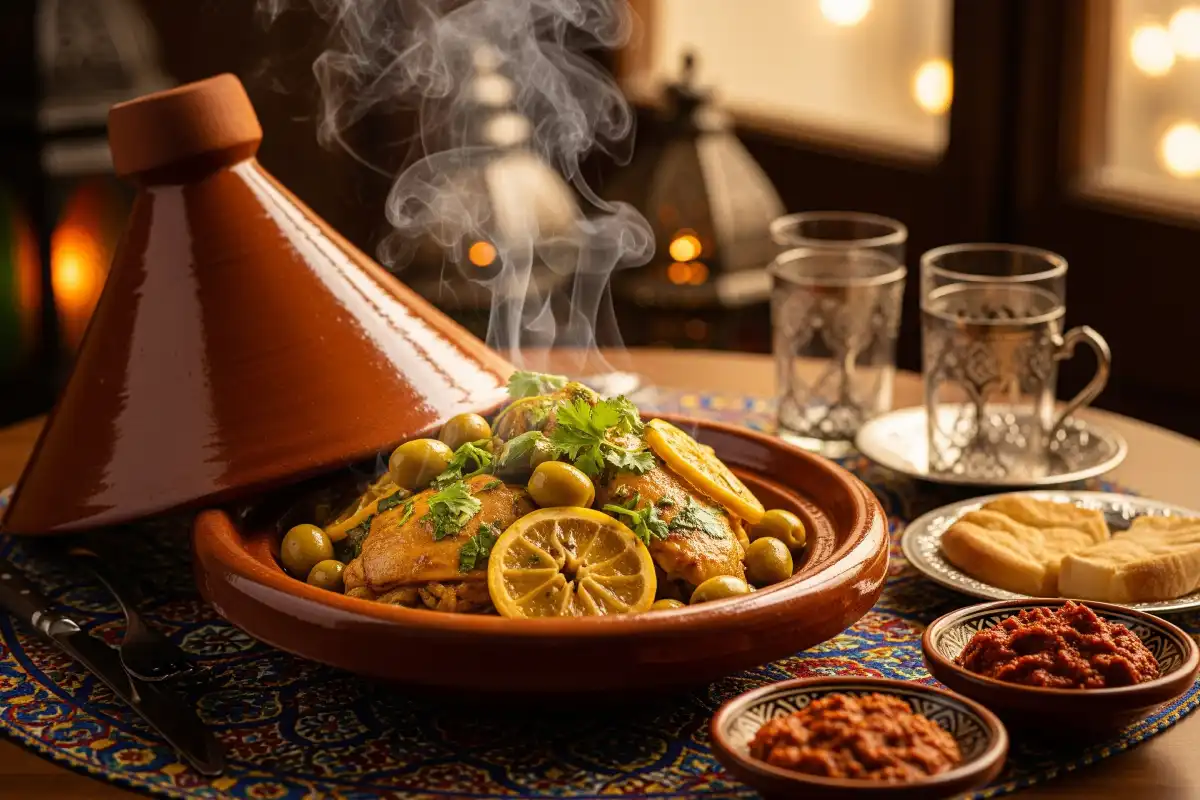
Moroccan food is not only delicious but also incredibly cheap, especially if you eat street food and at local “snack” shops. Avoid expensive tourist restaurants that often offer bland food at high prices.
Estimated Budget Food Costs (August 2025):
- Breakfast: MAD 10 – MAD 20 ($1 – $2 USD) for a Moroccan pancake (baghrir) with mint tea.
- Lunch: MAD 20 – MAD 50 ($2 – $5 USD) for a delicious sandwich, kebab, or a small tagine from a local vendor.
- Dinner: MAD 50 – MAD 100 ($5 – $10 USD) for a traditional meal at a local restaurant.
- Daily Budget for Food: MAD 80 – MAD 150 ($8 – $15 USD) is a very comfortable budget.
Budget Eating Tips:
- Eat Street Food: The best and cheapest food is found in the main squares and markets. Try grilled meats, kefta, and fresh orange juice.
- Ask a Local: Don’t be afraid to ask your hostel host or a local shopkeeper for recommendations on where to eat.
3. Getting Around: The Cost of Public Transit
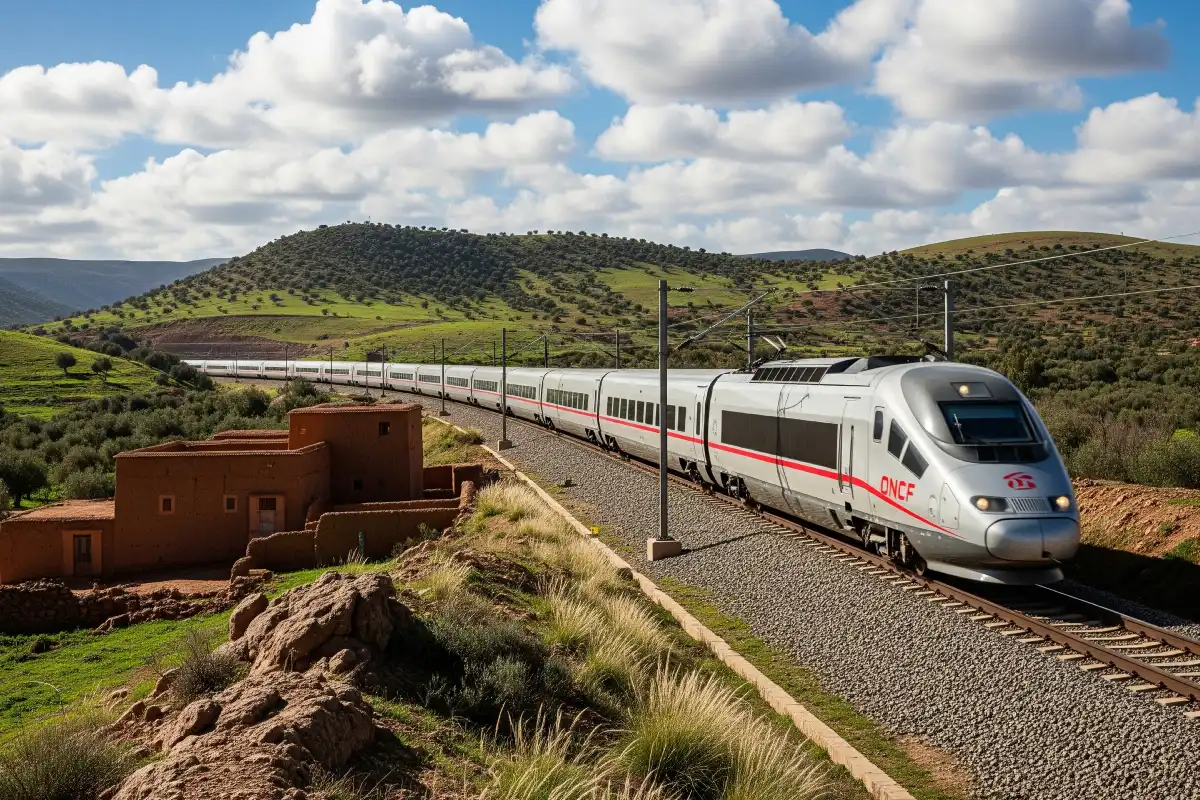
Morocco has a well-developed and affordable public transport network, including trains, buses, and shared taxis (“grands taxis”).
Fares (As of August 2025, subject to minor changes):
- Train: The ONCF train network is fast and reliable for travel between major cities like Casablanca, Marrakech, and Fez. Prices are very reasonable, e.g., Marrakech to Fez is around MAD 150-200 ($15-$20 USD).
- Buses: CTM and Supratours are the most reputable bus companies. They are cheap and cover almost all of the country.
- Grands Taxis: Shared taxis for inter-city travel are a cheap and authentic way to get around. You simply fill up the car with other passengers heading to the same destination.
Tips for Transportation:
- Book in Advance: For trains, booking a few days in advance can secure a better seat.
- Be Patient: Travel in Morocco is an adventure. Don’t be in a rush.
4. Staying Safe: Dangers, Scams, and Areas to Avoid
Morocco is generally a safe country for tourists, but visitors need to be aware of certain scams and cultural norms. Being respectful and cautious will go a long way.
Common Dangers & Scams:
- The “Free Guide” Scam: A person will offer to show you the way to a place, and after you follow them, they will demand a large amount of money. Politely but firmly decline and use your map.
- The Tannery Scam (Fez): A common scam where people will tell you the tannery is closed and try to lead you to a different shop. Ignore them and find the tannery on your own.
- Exaggerated Prices: Haggling is expected, and vendors will initially quote a very high price. A good rule of thumb is to start at about one-third of the asking price and go from there.
- Pickpocketing: Be cautious in crowded souks and squares. Keep your valuables secure.
Areas to Be Cautious Of:
- Certain areas of the medina at night: While most of the medina is safe, some of the narrow alleys can be confusing and poorly lit. It is best to stick to well-traveled paths or be accompanied.
General Safety Advice:
- Dress Respectfully: Dress modestly, especially in more conservative areas. This will earn you respect from locals.
- Politely Decline: If someone offers you something you don’t want, a firm and polite “No, thank you” (“La, shukran” in Arabic) is usually enough.
- Emergency Numbers: Police 19 (landline) or 112 (mobile).
5. Ensuring a Positive & Unforgettable Moroccan Trip
Morocco is a country of hospitality and kindness. By being open and prepared, you can have an incredible experience.
- Learn a Few Words of Arabic: Knowing a few simple phrases like “Shukran” (thank you) and “Salam Alaikum” (hello) will go a long way and earn you smiles and respect.
- Embrace the Haggling: Think of haggling not as a fight but as a friendly game. It’s part of the culture, and doing it with a smile is key.
- Stay Hydrated: Always have water with you, especially in the summer.
- Try a Hammam: A traditional public bath can be a great cultural experience.
6. Morocco Travel FAQs (August 2025)
What is the currency in Morocco?
The currency is the Moroccan Dirham (MAD). It is a closed currency, meaning you can only get it within the country. You can exchange cash at the airport or at banks, and ATMs are widely available.
Is it safe for solo female travelers?
Generally, yes. Solo female travelers are a common sight in Morocco. However, they may experience more persistent attention. Dressing modestly and being firm and confident is recommended.
What is the best way to get from the airport to the city?
In Marrakech, the airport bus is the cheapest option. In other cities, using a small taxi (“petit taxi”) or a ride-hailing app like Careem or Uber (where available) is also a good choice. Always confirm the price beforehand.
Can I use my credit card?
Larger hotels, riads, and restaurants will accept credit cards, but many smaller shops and stalls, especially in the souks, are cash-only. Always have cash on hand.
What should I wear?
Lightweight, modest clothing is best. Long pants or skirts and shirts that cover the shoulders and chest are recommended, especially for women, to show respect for the local culture. A light scarf is also useful.
Your Moroccan Adventure Awaits!
Morocco is a country of incredible beauty and hospitality, and a low budget doesn’t have to stop you from experiencing it. With these tips, you’re ready to dive into its bustling markets and serene landscapes. Enjoy your trip!
Start Planning Your Morocco Trip